Time on the Job
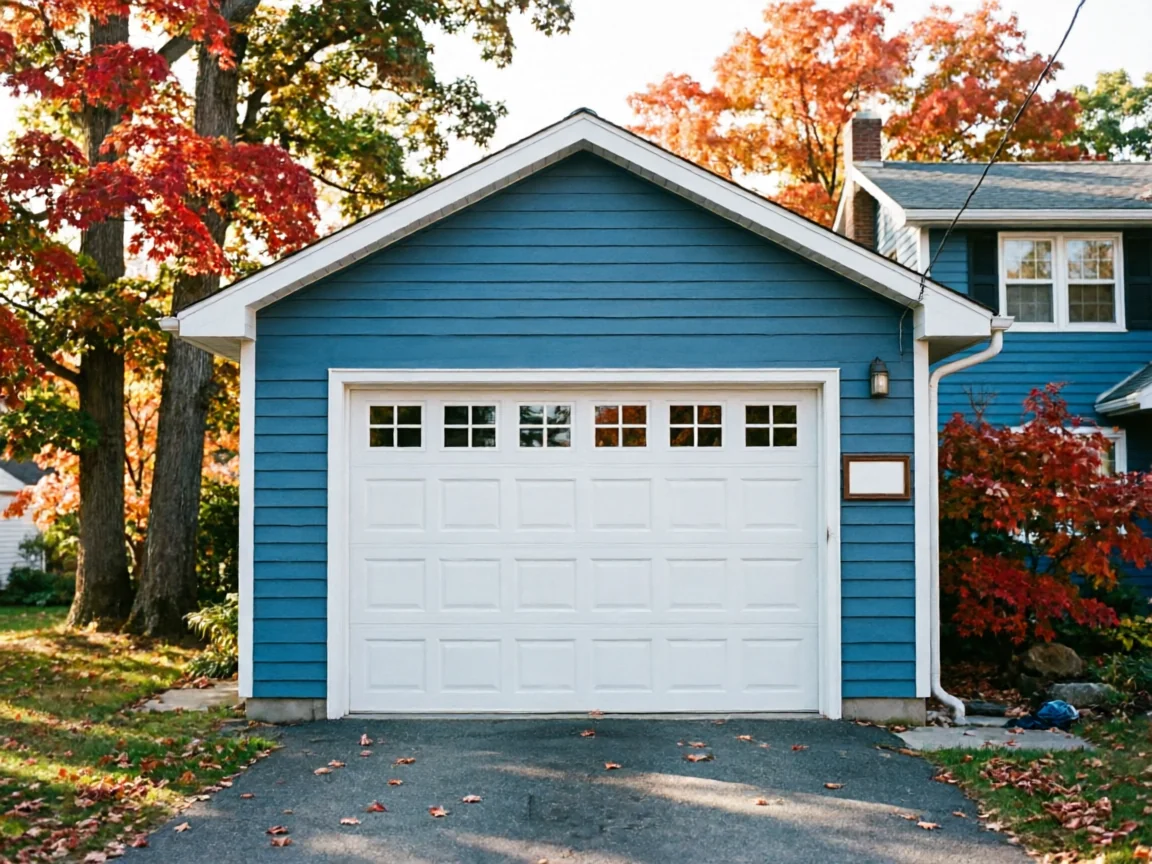
Most houses in Randallstown went up around 1976, a few years before the 1979 median for the wider service area Ellicott City Garage Door Pros covers.
Header heights and drums
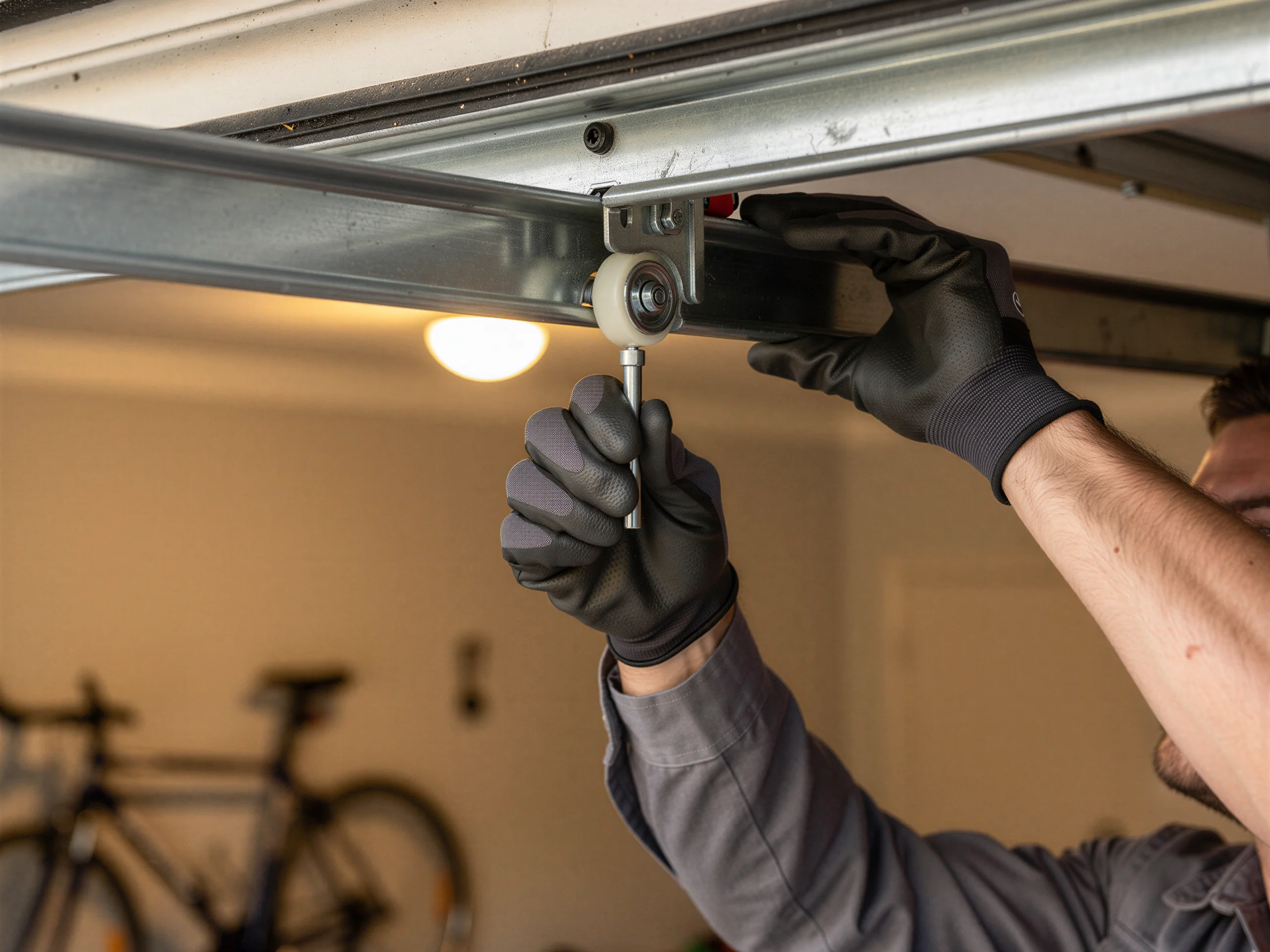
That gap matters more than it sounds like it should. A door and track system installed in the mid-70s is a slightly different animal than one from the early 80s - different header heights, different spring drums, sometimes a narrower jamb that wasn't built with a modern insulated door's weight in mind.
Checking trim before measuring
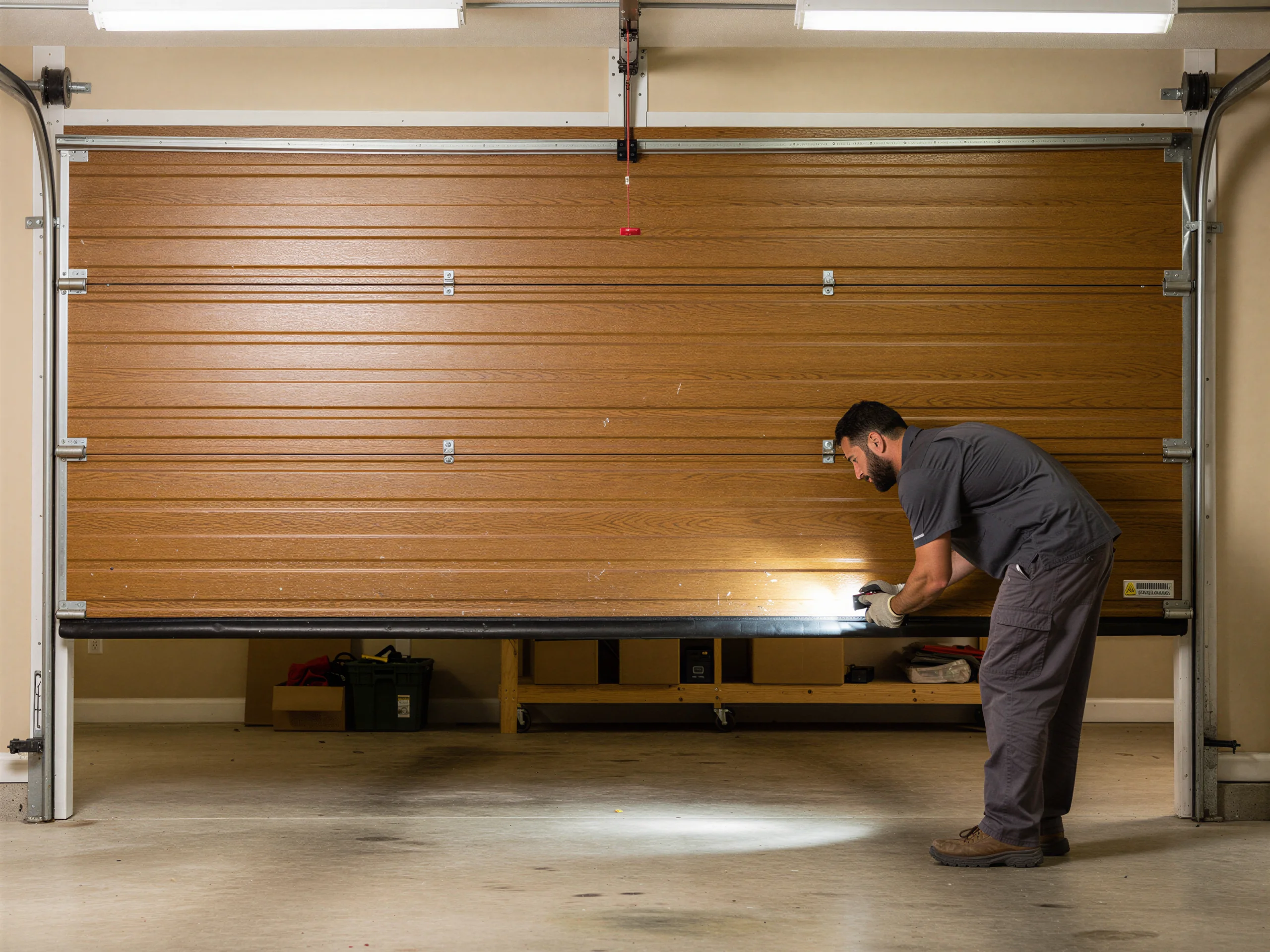
When we pull a job here, the first twenty minutes usually goes to figuring out what's actually behind the old trim before anything gets measured for the new unit. That's not padding the clock. It's the difference between an install that goes smooth and one where we're back out a second time because the opening wasn't what the original paperwork said.
Jamb shift carpentry limits
Expect the framing check to come before the sales pitch, not after. One honest limit: if the jamb has shifted enough that it needs carpentry work beyond swapping door and track, that's a separate call - we install doors, we don't rebuild openings.
Doing It Yourself
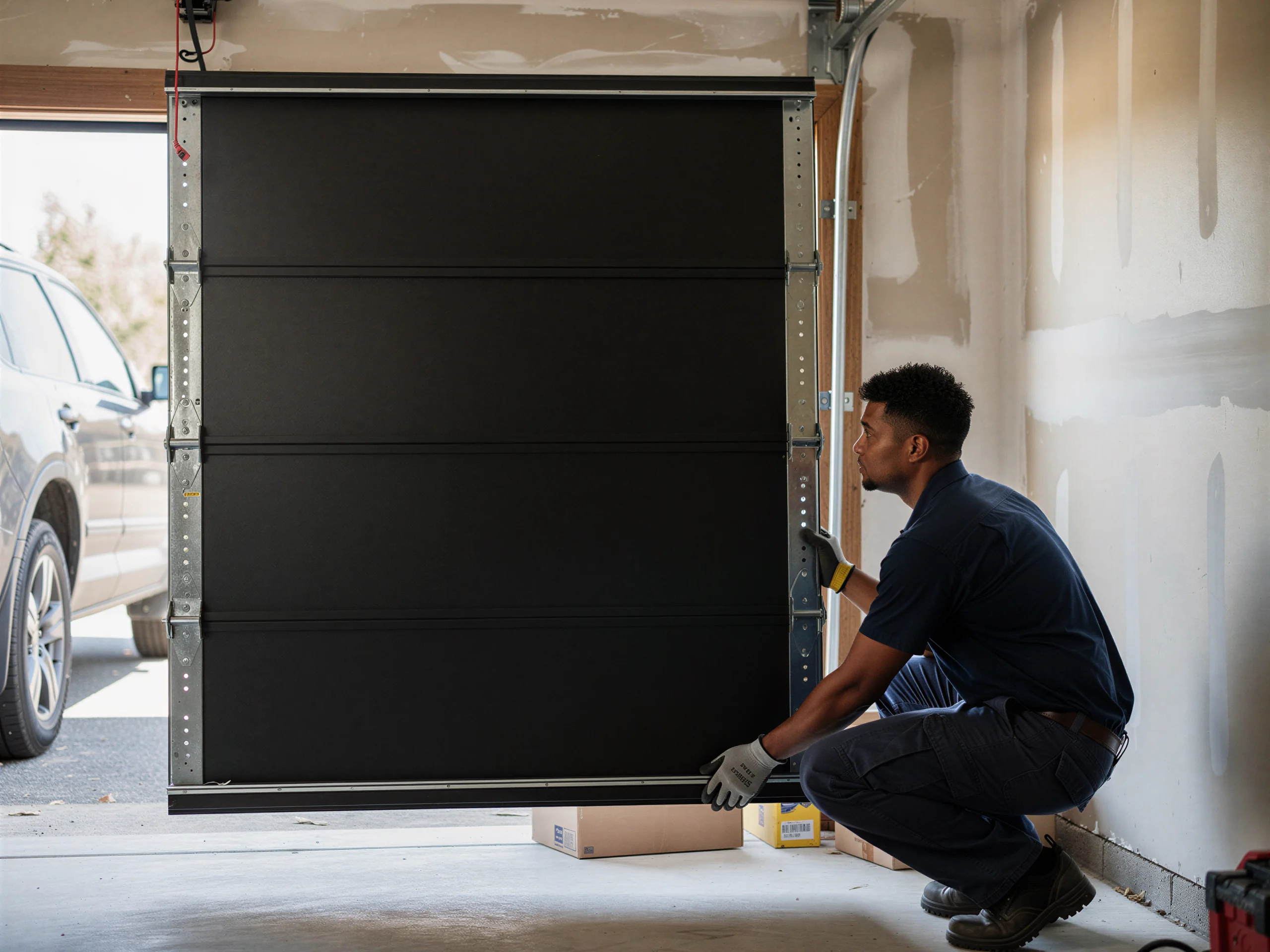
A new garage door is heavier than most people guess, especially the insulated steel doors that make sense in a cold-winter region like this one.
Insulated core for cold
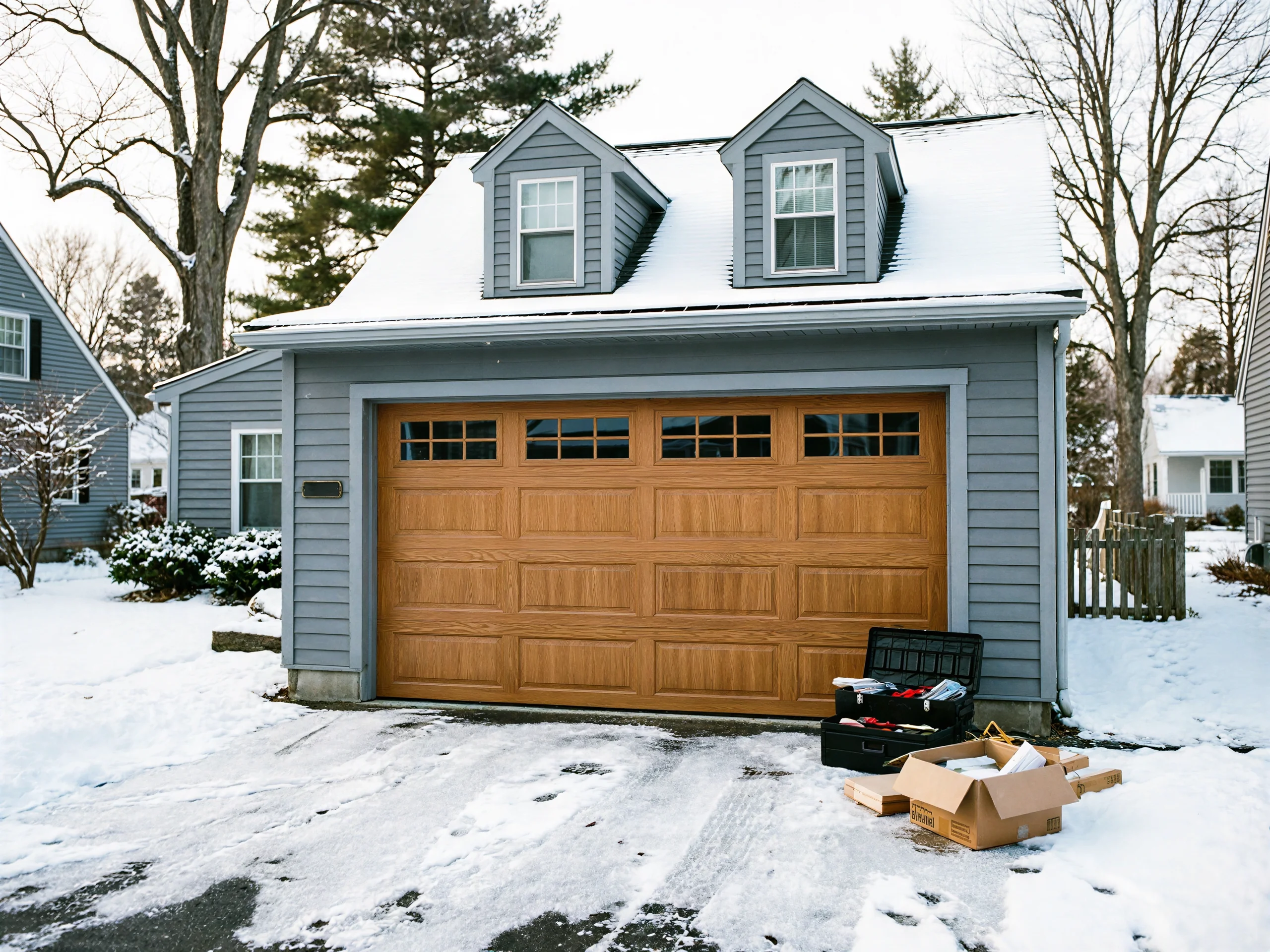
The service area sits in a COLD-severe climate band, which is the main reason we steer people here toward a door with a real insulation core rather than the lightest option on the shelf.
Spring winding turn count
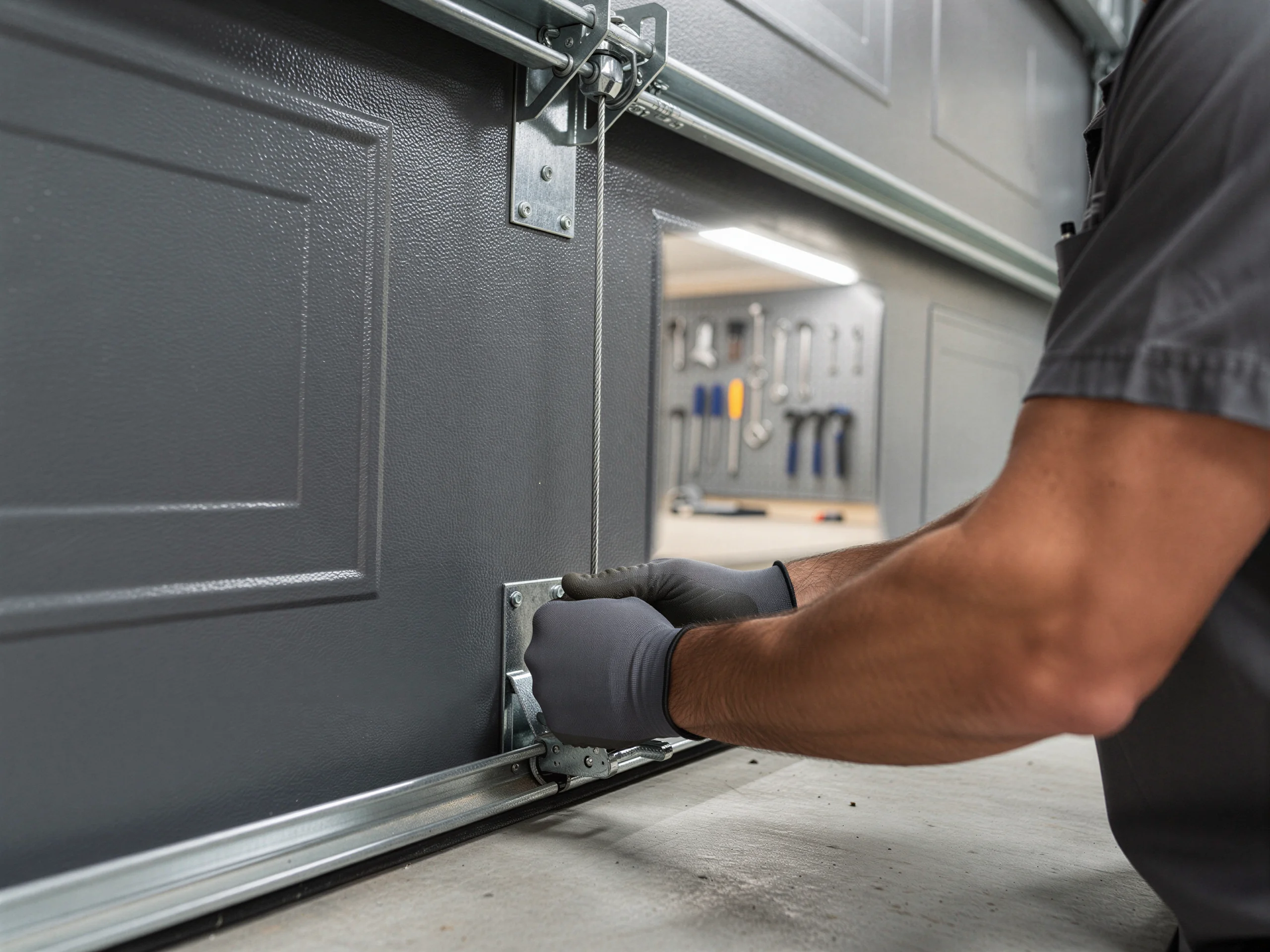
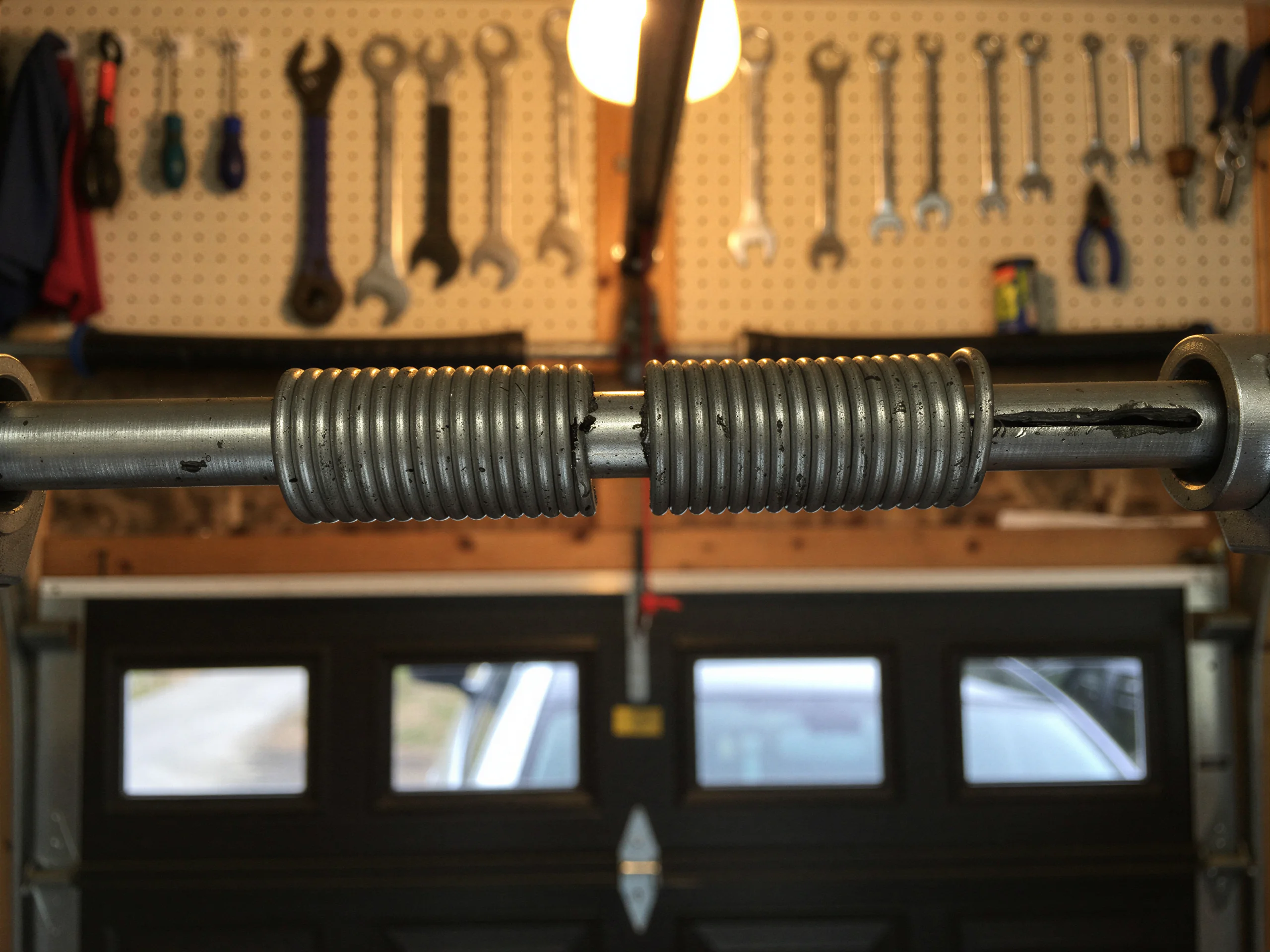
That weight runs through torsion springs wound to a specific number of turns for that exact door, and a spring under tension that lets go while you're guessing at the count will put you in the hospital, not just embarrassed. Track alignment is less dramatic but just as easy to get wrong - a quarter-inch off at the top and the door binds every single cycle until something in the opener gives up.
Margins measured in inches
If you're the type who does your own brake jobs, fine, but a garage door install is one of the few home projects where the margin for error is measured in inches of slack cable, not cosmetic mistakes you can sand down later. We'd rather talk you through what you're looking at before you buy the wrong door than show up to fix it after.
The Complications
Houses from the 1976 era in this part of the county tend to have openers added later rather than wired in from the start, which means the electrical run to the garage is often a single outlet on a circuit shared with something else in the house.
Opener power draw
That's fine for a basic opener. It's not always fine for a newer unit with a built-in camera or keypad drawing more current, and we won't know which one you've got until we're standing in the garage.
Opening sizes versus shims
Framing is the other recurring issue - door openings from this build period were cut to older standard sizes, and current doors are made to current standard sizes. Most of the time they match close enough to shim.
Trim before door install
Sometimes they don't, and that's the call where we tell you honestly that the trim needs attention before the door goes in, not the other way around. None of this is unique to one house. It's a pattern tied to when this stretch of the area was built, which is also why we don't quote a price over the phone before seeing the opening.
How It Shows Up
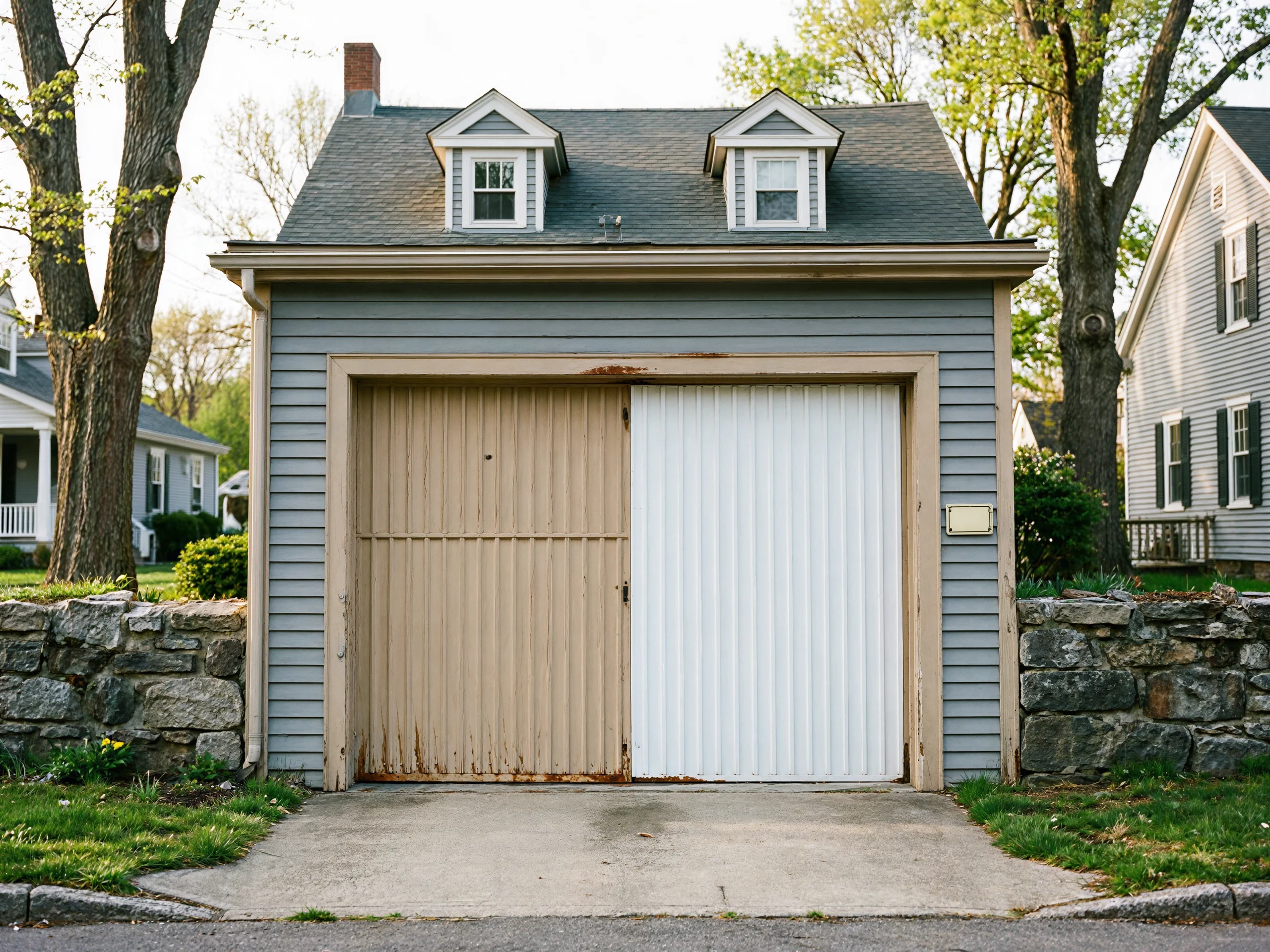
The signs that a door here is done, not just due for a repair, usually show up the same way. Steel panels from the 70s don't have the galvanized coating or the insulation layer that current doors carry, so the first thing to go is usually the bottom panel - rust starting at the weather seal and working up, especially after a hard winter. The second sign is an opener straining audibly on a door that used to lift without a sound; that's often the door itself getting heavier with moisture and age, not the opener failing. Homeowners in this income bracket - the area's median household income runs $88,544, below the $109,790 median across the broader service territory - tend to ask us straight out whether a repair will actually hold or whether they're paying twice. For a door built in the mid-70s with a rusted bottom panel and a strained opener, the honest answer is almost always that the repair buys a year, maybe two, and the install is the one that's paid for once.
Why It Happens Here
Put the numbers together and the pattern is straightforward. A door built around 1976 is now pushing past the point where steel, springs, and weatherstripping hold up on their own, and it was built before the area's current cold-winter standards for insulated doors existed. Randallstown accounts for 13,829 of the roughly 510,015 households across the full service area, and it sits about 7 miles out from Ellicott City - close enough that distance isn't the obstacle, but far enough that nobody here should expect a same-day drop-in without a scheduled call first. The COLD-severe climate band means a door without a real thermal break works harder every winter than it was designed to, and that wear compounds faster than it would somewhere milder. None of that is a Randallstown-specific defect - it's what happens to a 1970s-built garage anywhere this cold, and this is one of the places in the territory where that math has been running the longest.
Talk to a local pro
Garage door service in Ellicott City?
Same-day service with honest, upfront quotes.