Doing It Yourself
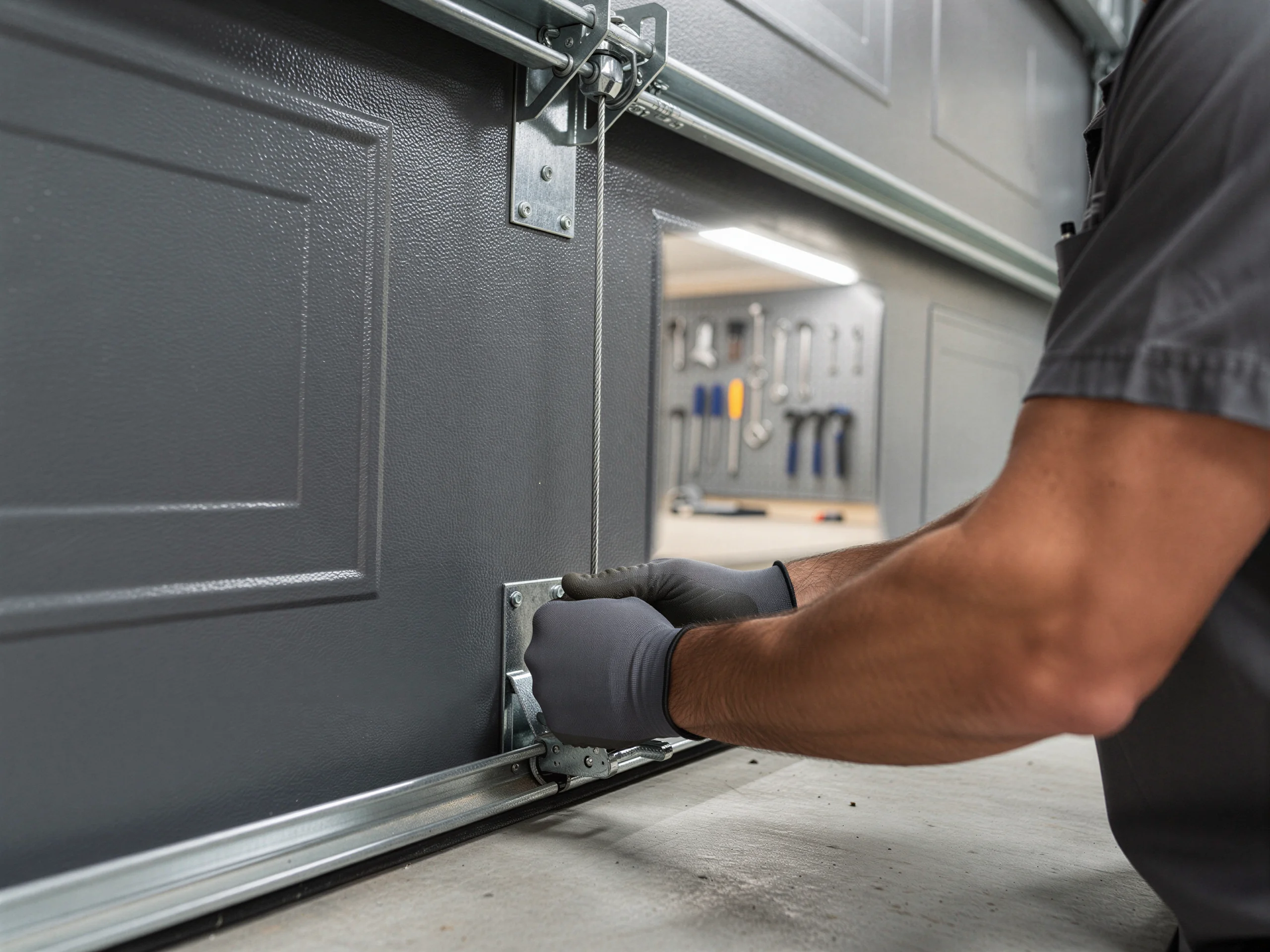
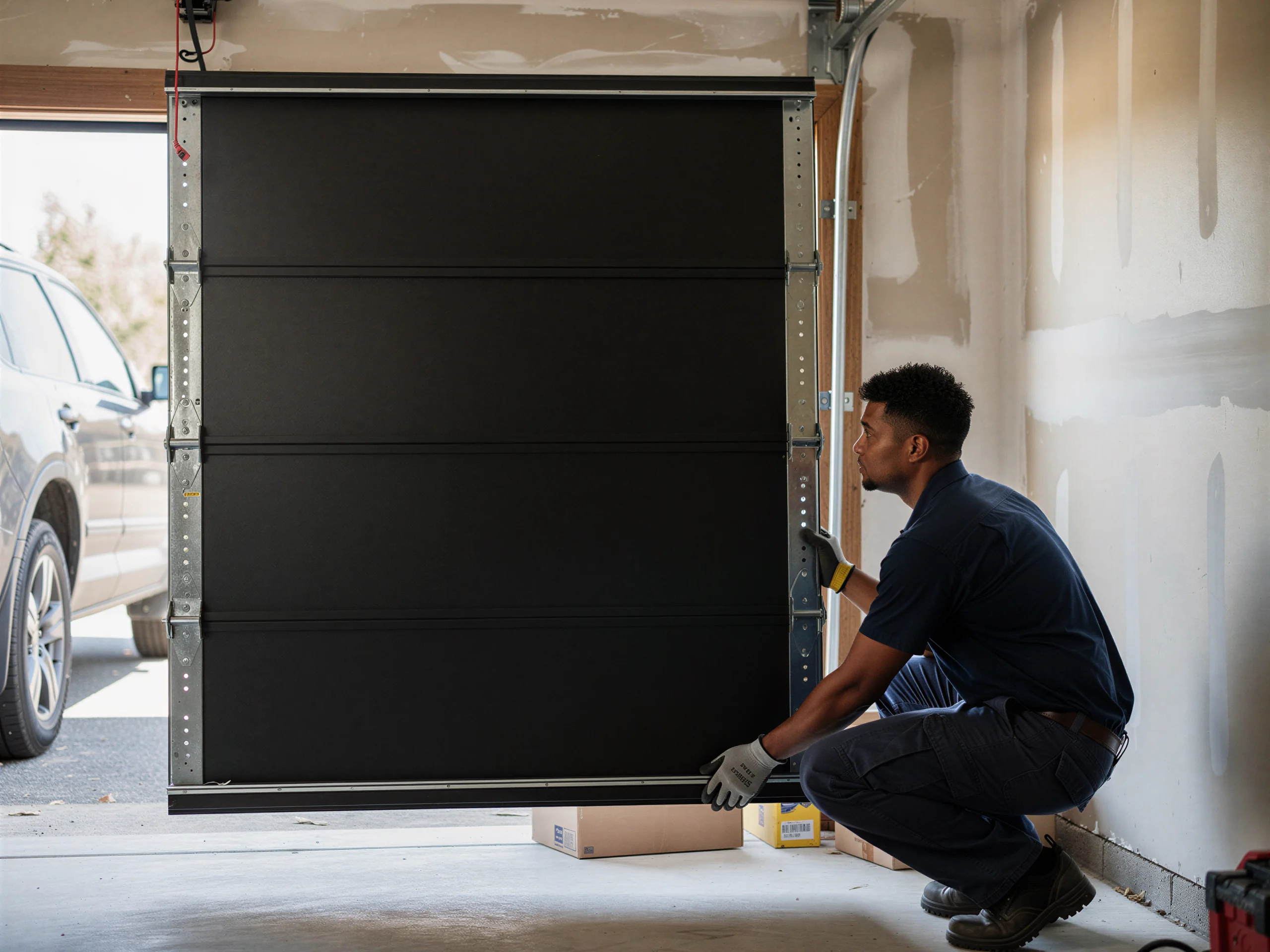
Swapping a single panel looks simple from a video, and sometimes it is - on a newer steel door with a current model number, you can order a matching panel, pull the hinges, and bolt the new one in over an afternoon.
Pre-2000s panel dimensions
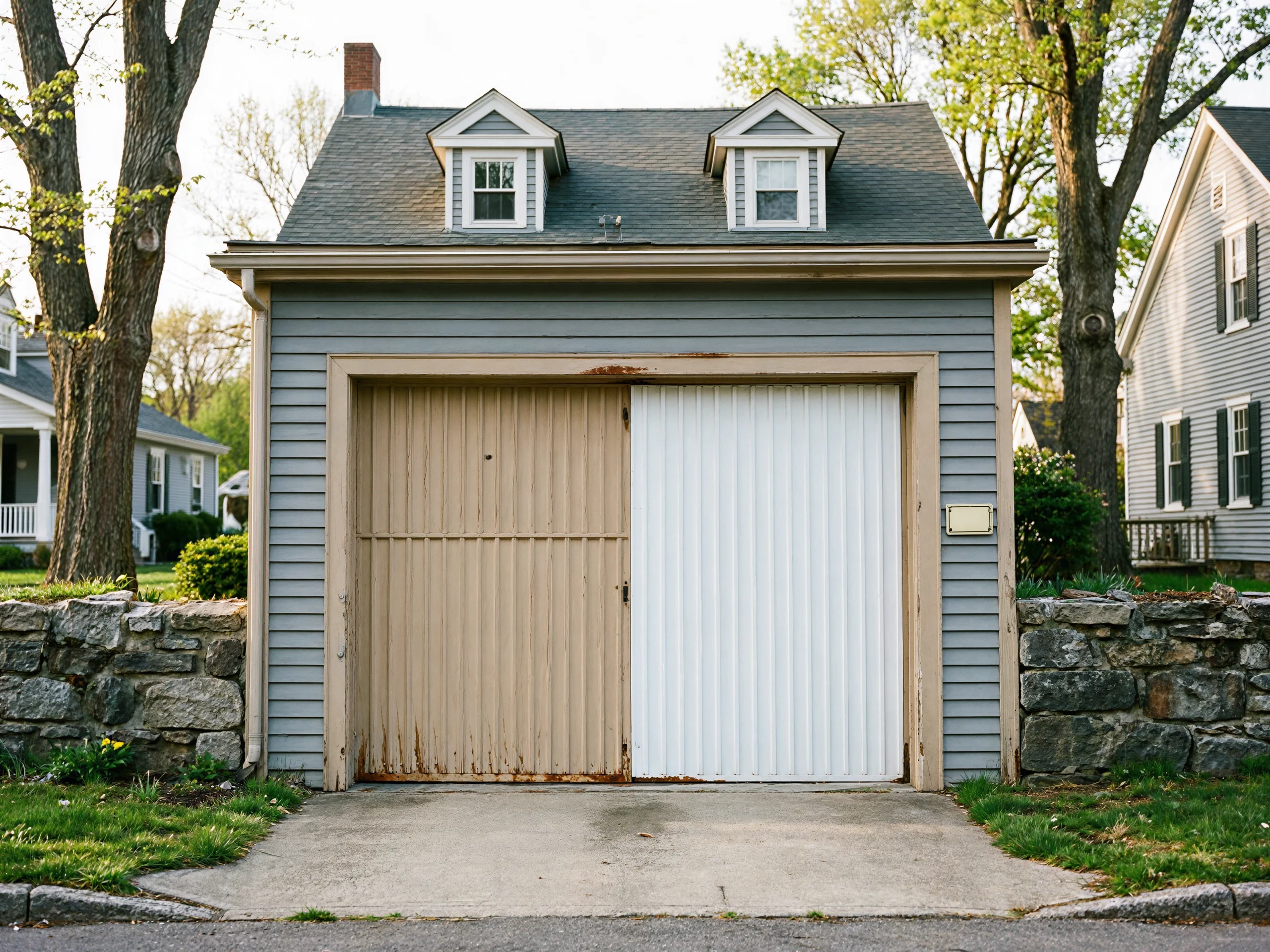
The trouble starts on anything built before the early 2000s, which covers a lot of this area given the housing stock runs 1955 to 2014 with a median around 1979. Older doors used panel widths, rib patterns, and window cutouts that manufacturers have since discontinued, so the panel you find online rarely matches the ones still on the door.
Mismatched panel fit
Mix an old panel with a new one and the door won't sit flush in the track, which stresses the rollers and the opener. We'll say it plainly: if you can't get an exact match, replacing just the one panel often isn't worth doing - you end up buying the whole door anyway, just a few weeks later.
Measuring before ordering
That's a real limitation, not a sales pitch. Measuring the existing panel height, width, and the number of sections accurately before you order anything saves more headaches than any tool in the garage. If the door is a double with two damaged sections on opposite ends, full replacement is usually the better call.
How It Shows Up
A damaged panel rarely stays cosmetic for long. Across the 62 named communities in this service area, the dominant housing wave is 1960s and 70s construction, and that generation of steel doors used thin, often foam-free panels that dent inward from a car bumper, a stray basketball, or a ladder leaned against the door.
Bowed panels pulling track
Once the panel bows, the track no longer holds a straight line, so you start hearing the opener strain or the door binds partway up. On older wood-panel doors from the same era, the failure looks different - swelling along the bottom rail, paint cracking at the panel seams, or a soft spot you can push a thumb into.
Seam cracks from freezing
In this cold-severe climate, moisture that gets into a seam in the fall has all winter to freeze, expand, and widen the crack. By spring the panel is visibly warped even if nobody hit it.
Slush-side steel corrosion
Rust at the bottom edge of steel panels is another early sign, usually starting where snow or slush sits against the door through the winter months. None of these show up overnight - they're the slow result of a panel built for a different era meeting decades of freeze-thaw cycles.
What the Repair Takes
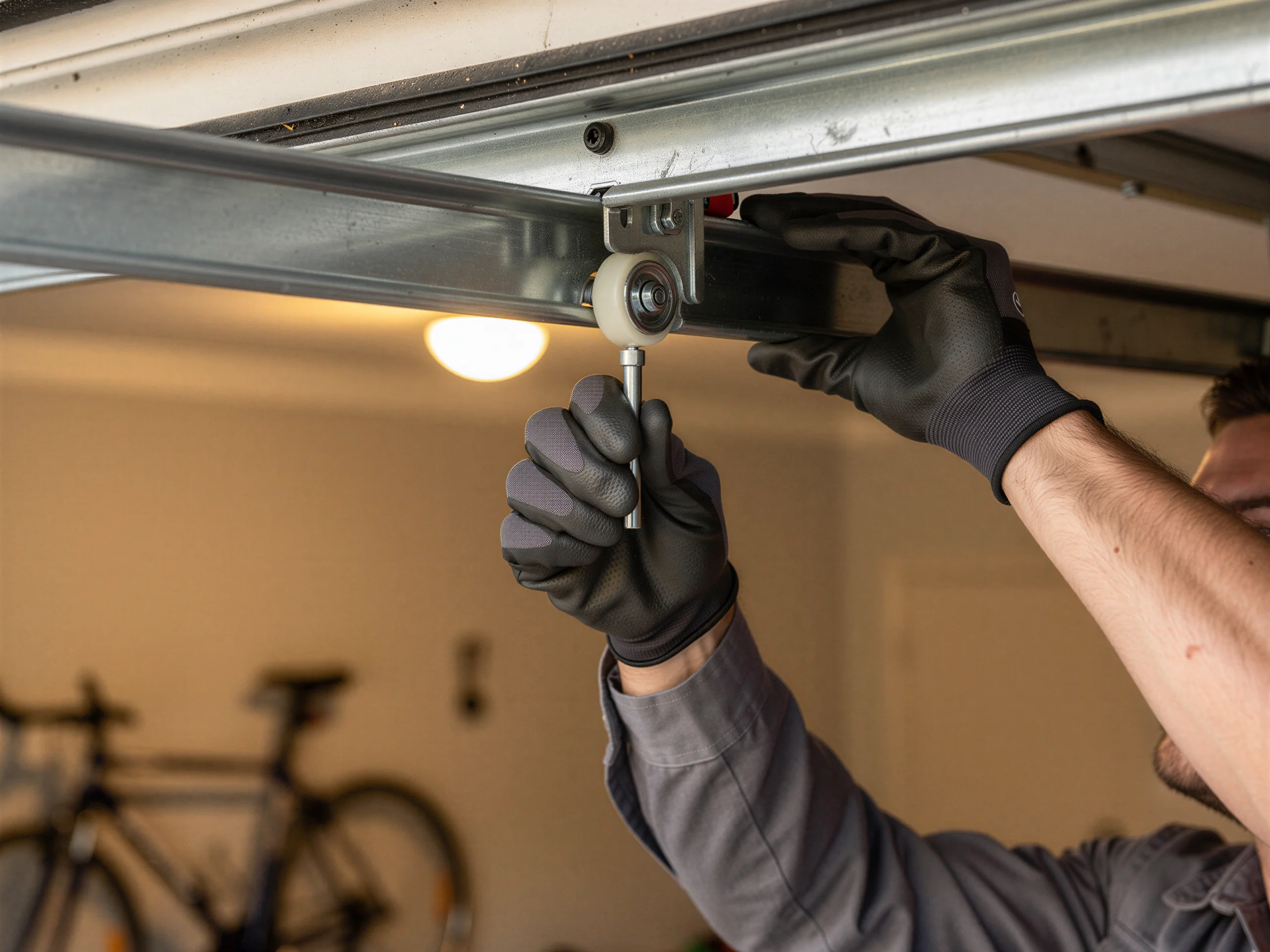
The first step is figuring out what's actually underneath the damage: the panel section, the stiles on either side, the hinge holes, and whether the track alignment shifted when the panel bowed. On a door still in production, we order the matching panel by model and section number and swap it without touching the rest of the door. On an older door - common given the median build year here sits around 1979 - we check first whether a manufacturer still makes anything close to the existing rib pattern and color. Sometimes they do. Often they don't, and the honest answer is a full door replacement rather than a patch that won't match and won't seal right. Either way, the hinges, rollers, and end hardware on the damaged section get inspected too, since a panel usually doesn't fail in isolation - a bent hinge or a track knocked out of plumb is often what let the damage happen in the first place. We don't install a new panel on hardware we know is already failing; that's a callback waiting to happen, and it costs the homeowner twice.
Why It Happens Here
Panel failure in this area traces back to two things stacked on top of each other: when the houses went up, and what the winters do to a garage door once it's a few decades old. With housing built mostly between 1955 and 2014, and the bulk of it dating to the 1960s and 70s boom across the 62 communities in this service area, a huge share of garage doors are old enough that their original panels are no longer made in matching profiles. Add a cold-severe climate band on top of that, and you get the freeze-thaw cycle doing slow damage every winter - water gets into a seam or a dent, freezes, expands the gap, and by the third or fourth winter the panel is visibly compromised. With 177,301 owner-occupied houses across this service area, that combination of old stock and hard winters means mismatched or failing panels are one of the most common calls we take, not an occasional one. It's less about any single storm and more about accumulated years of the same freeze cycle working on the same aging steel or wood.
Talk to a local pro
Garage door service in Ellicott City?
Same-day service with honest, upfront quotes.