
What Replacing a Garage Door Costs in Ellicott City
In Ellicott City, houses mostly date to 1955-2014, median 1979; cold winters wear out old springs and openers.
Read moreBlogEllicott City, MD · 4 min read
Why safety sensor alignment fails in Ellicott City homes built between 1955 and 2014, and what the region's cold winters do to the brackets that hold them.
Local detail
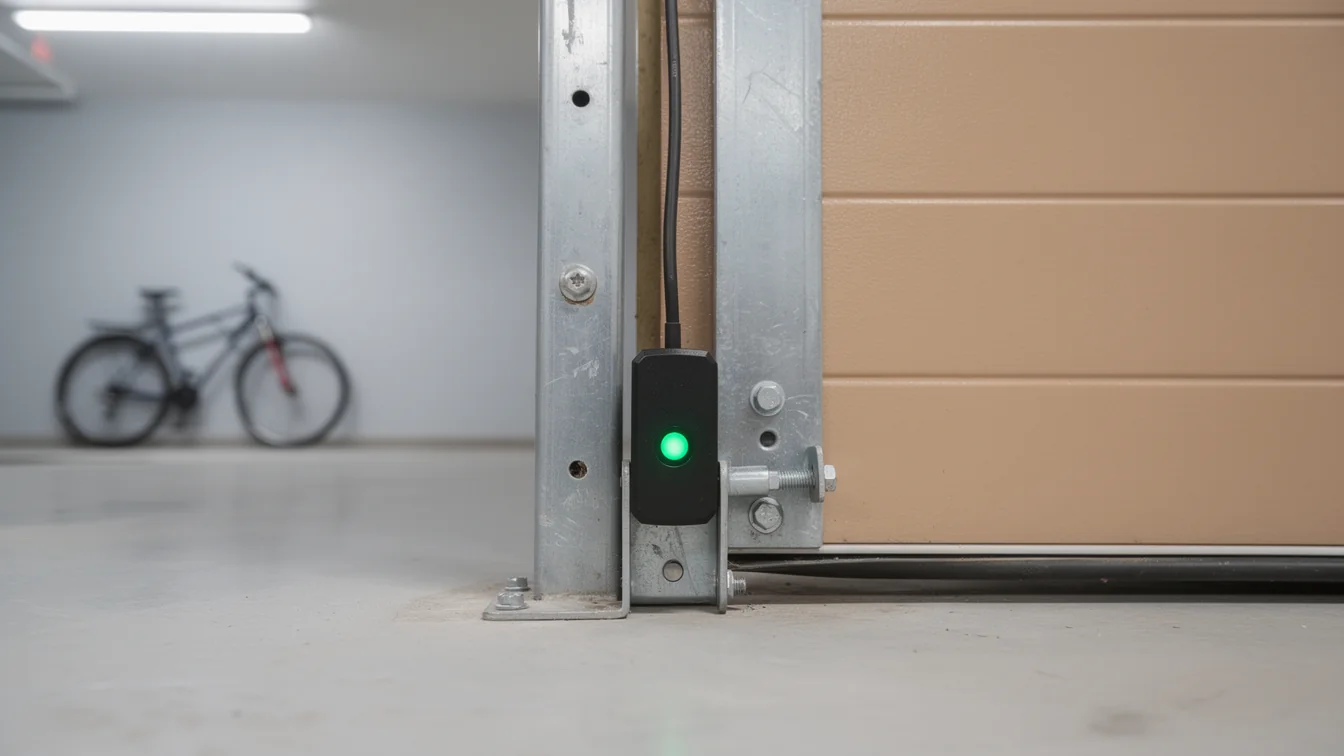
The two small eyes near the bottom of your garage door track, usually six inches off the slab, are the safety sensors. They shoot an infrared beam across the opening. Break that beam while the door is closing and the opener reverses. When one gets bumped, or the bracket holding it twists even a few degrees, the beam misses its target and the opener either refuses to close the door at all or blinks an error light instead of running.
Most of the housing in this part of the county went up between 1955 and 2014, with the typical build year landing around 1979. A lot of these garages still have the original slab, and a lot of them have had openers added or swapped over the decades without anyone touching the original sensor brackets. That mismatch between an old bracket and a newer opener is one of the more common reasons a sensor reads fine one week and throws an error the next - the bracket was never square to begin with, it was just close enough for the old unit.
Dust, spiderwebs, and a stray garden hose catching the wire are the boring, common causes. The less boring cause is the bracket itself slowly walking out of position because of what's under it.
The area
Wiping the lenses and nudging the bracket by hand fixes a lot of sensor complaints, and that's worth trying first - it costs nothing and takes five minutes. If the door still won't close, or if it closes fine for a few days and then quits again, you're past the easy fix.
Repeat failures usually mean one of three things: the wire itself has a nick in it from age or a rodent, the bracket mount has pulled loose from a slab that's shifted, or the sensor itself has failed internally. Only one of those three is a five-minute job. Chasing a short in wire that runs behind drywall or under a slab edge is not something to troubleshoot with a multimeter you bought that morning, and misdiagnosing it means paying for a sensor you didn't need.
We won't pretend every service call is complicated. Plenty are a loose eye and a five-minute reset. But if you've already reset it twice and it's drifted again, that's the point to call rather than keep adjusting it yourself - repeated manual realignment on a bracket that's already loose just wears the mounting holes bigger each time.
What we find
This area sits in a cold, severe winter climate band, and that matters more for sensor brackets than people expect. Garage slabs poured any time from the 1950s through the 2010s go through decades of freeze-thaw cycling, and that cycling doesn't move a slab evenly - edges and corners near the door opening tend to shift slightly more than the center. A sensor bracket anchored near that edge can tip a degree or two over a winter without anyone noticing, which is enough to throw the beam off a sensor eight feet away.
Across the 62 named communities in this service area, the housing stock runs mostly 1960s and 70s construction, which means a lot of slabs are now 50 to 60 years into that freeze-thaw cycle. The symptom shows up every fall and spring, right when the ground is actively heaving or settling back down - sensors that worked all summer suddenly need realignment in November, then again in March.
It's not a defect in the sensor. It's the concrete underneath it moving a fraction of an inch at a time, year after year.
How we work
We don't have a flat number to quote here, and we're not going to make one up. What drives the cost is which of the three problems above you actually have. A straight sensor swap is the cheapest outcome. A bracket that needs to be reset and re-anchored into the slab costs more in labor than parts. A cut or corroded wire run is the one that can run long, because finding the break sometimes means opening up a section of conduit.
Given the median household income in this service area runs close to $109,790, most owners we talk to would rather pay for an accurate diagnosis up front than pay twice - once for a sensor that wasn't the problem, and again for the actual fix. That's the honest trade-off: a tech coming out to actually test the wire run and the bracket costs more up front than guessing, but guessing on a sensor problem is how people end up replacing parts that were never broken.
We'll tell you straight if the fix is a five-dollar part or a bracket reset. We won't sell you an opener board you don't need.
Questions
The most common reason in homes around here is a slab that's shifted slightly after another freeze-thaw winter. The bracket holding the sensor moves a fraction of a degree, which is enough to throw off the infrared beam even though nothing looks visibly wrong.
If it's a straight swap and the bracket is still square, yes, that's a reasonable DIY job. The problem is figuring out whether the sensor failed or the bracket moved - swapping the sensor without fixing a loose bracket means it drifts out again within weeks.
Indirectly, yes. The sensors themselves handle cold fine, but the concrete slab they're mounted to expands and contracts through the area's cold winters, and that slow movement is what tips the bracket out of alignment over a season or two.
Recommendation
More garage door guides for Ellicott City homeowners.
In Ellicott City, houses mostly date to 1955-2014, median 1979; cold winters wear out old springs and openers.
Read more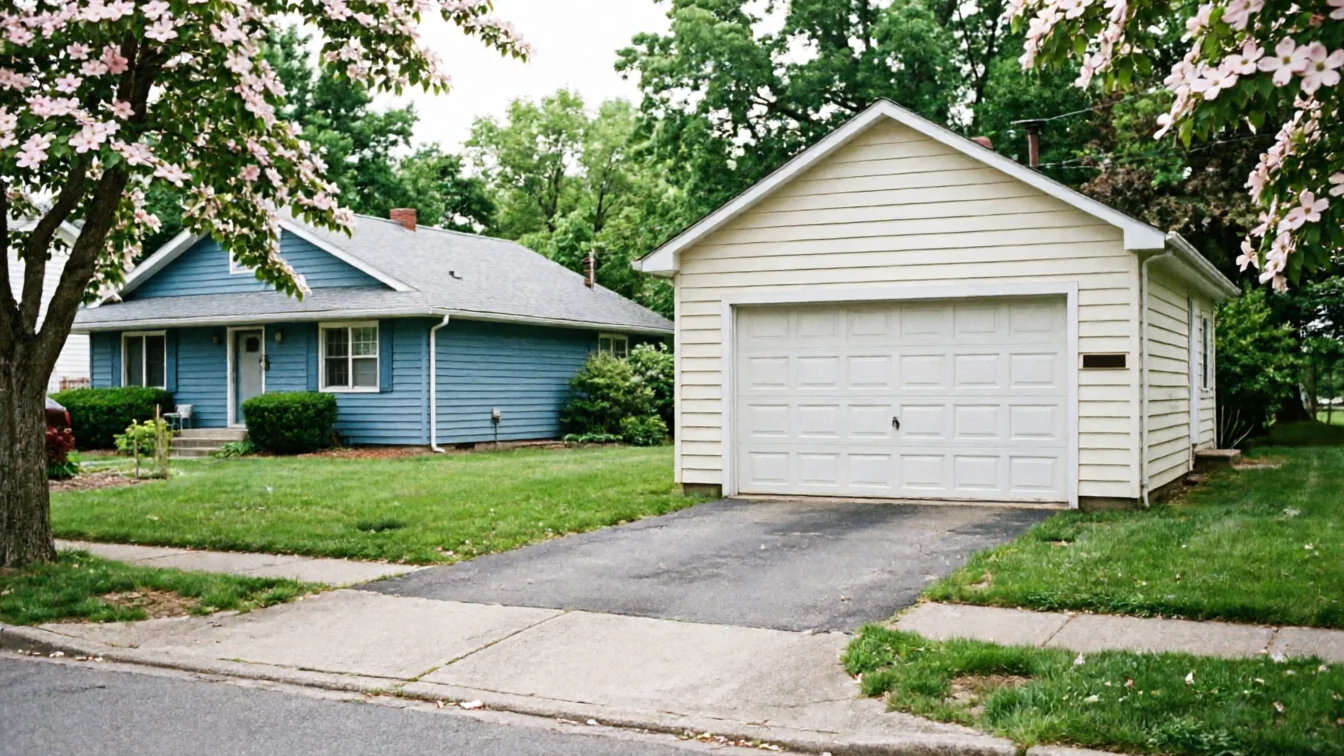
Ellicott City homes built between 1955 and 2014 split between attached and detached garages, and that split changes what the door, opener, and insulation need to be.
Read more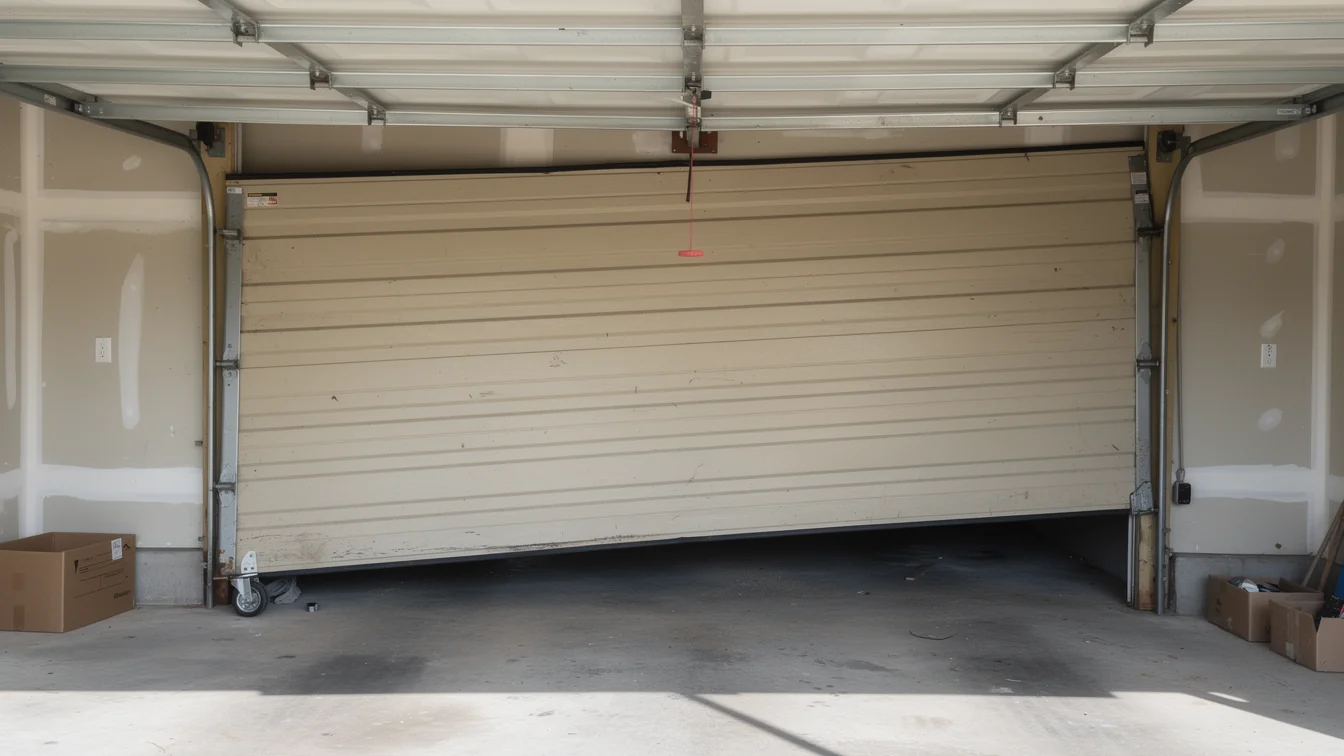
A look at why older Ellicott City garages lose track alignment, tied to the area's 1955-2014 housing stock and severe cold winters.
Read moreReady when you are
Ellicott City Garage Door Pros repairs and installs garage doors, springs and openers in Ellicott City, MD and the surrounding area.