
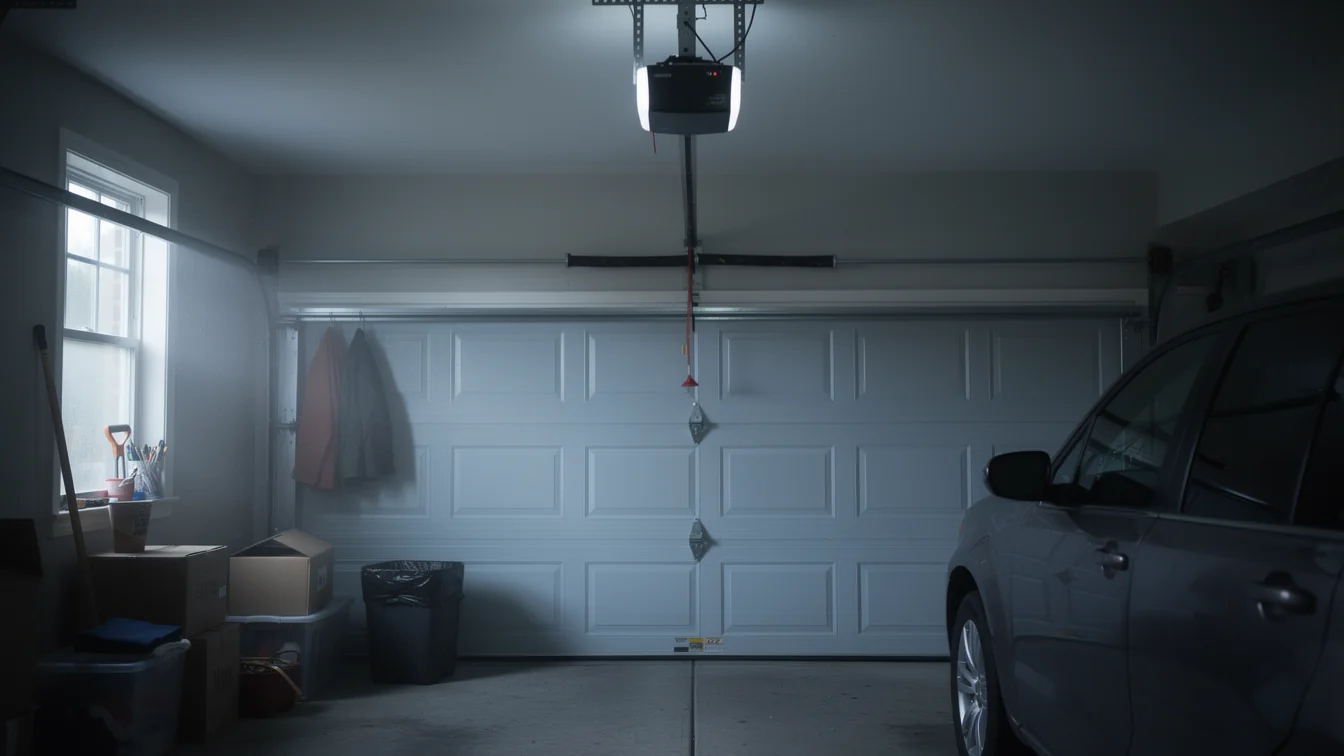
What Power Outages Do to Garage Door Openers Around Ellicott City
Ellicott City's 1960s-70s housing stock and severe cold winters put real strain on garage door openers during power cuts.
Read moreBlogEllicott City, MD · 4 min read
Ellicott City's 1960s-70s housing stock and cold winters mean worn weather seals let in real draughts. Here's what causes it and what a proper fix costs.
Local detail
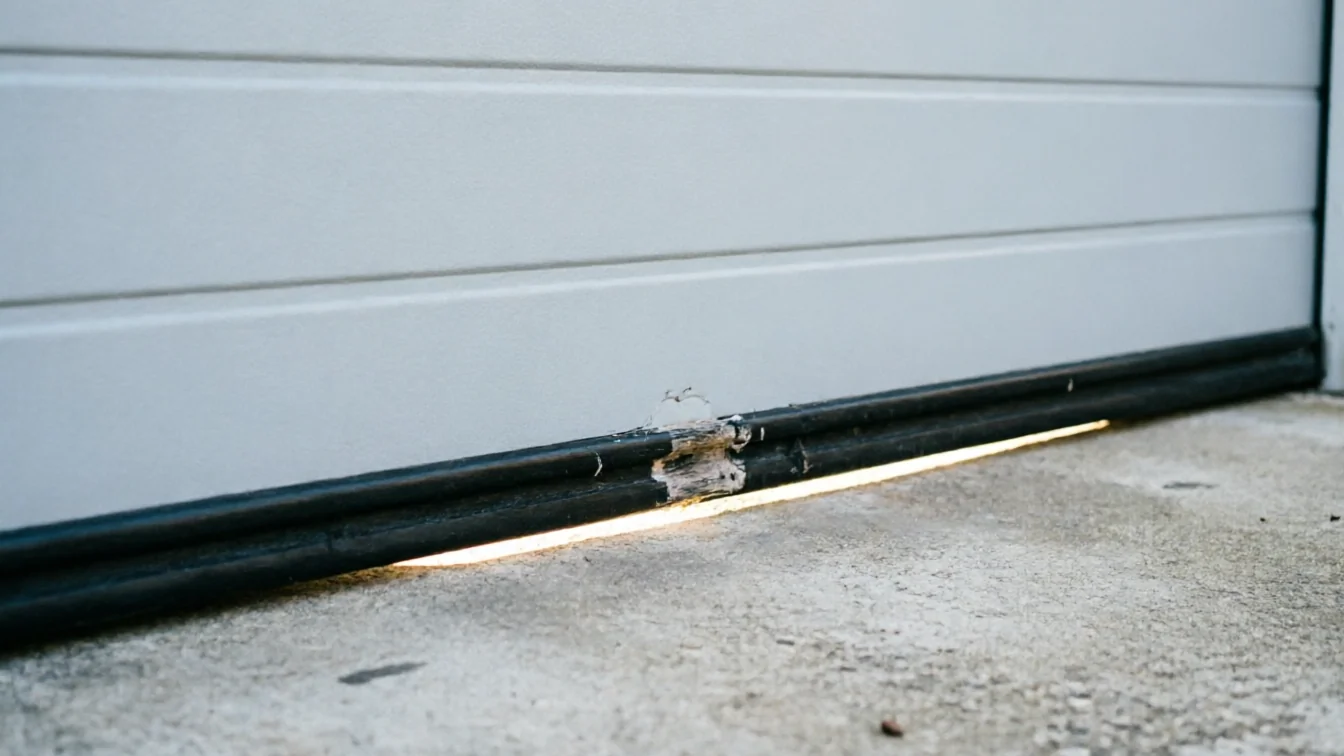
Housing in this part of Maryland went up mostly between 1955 and 2014, with the median build year landing around 1979, and the bulk of it dating to the 1960s and 70s. That matters here because the weatherstripping that shipped with a door back then - the vinyl bottom seal, the side jamb seals, the top seal where the panel meets the header - was never designed to outlast the house by forty years. Rubber and vinyl both harden and crack with age, and once that happens, the seal stops doing its one job, which is closing the gap between a moving steel panel and a wood or masonry frame.
What you'll notice first is usually a draught at floor level, a line of daylight under the door when it's closed, or a dust line building up on the garage floor right at the threshold. Sometimes it shows up as a sudden jump in the gas bill if the garage shares a wall with living space. The door itself might still open and close fine - the seal failing doesn't mean the opener or the springs are in trouble. It just means the rubber gave up before the rest of the hardware did.
The area
Swapping a bottom seal or a strip of side weatherstripping is genuinely a job a homeowner can do with a utility knife, a new seal kit, and twenty minutes. Where it stops being that simple is when the gap isn't coming from worn rubber at all - it's coming from a warped panel, a track that's pulled slightly out of alignment, or a wood jamb that's swollen or rotted from years of water sitting at the base.
We don't do carpentry repair on rotted door frames - that's a job for someone who frames for a living, and we'll tell you straight if that's what's driving the draught rather than the seal. What we do handle is anything on the door side of that line: seal replacement, track adjustment, panel issues. If you've already replaced the bottom seal once this year and the gap is back, the problem usually isn't the seal - it's worth having someone look at whether the door is closing square before you buy a third seal kit.
What we find
This area sits in a climate band classed as severe cold, which means the freeze-thaw cycle runs hard on anything made of rubber or vinyl mounted outside the thermal envelope of the house. A seal that might last a decade in a milder climate gets brittle and splits in half that time here, because it's expanding and contracting through dozens of freeze-thaw swings every winter instead of a handful.
Across the service area, there are roughly 510,015 households and 177,301 owner-occupied houses, and a large share of them carry doors and seals that match the 1960s-70s build era of the housing stock itself. That's not a coincidence - it's the same houses aging the same way. Drive five miles out toward Catonsville or Woodlawn, or out to Windsor Mill, and you'll see the same pattern: original hardware, original seals, and the same hairline cracking along the bottom edge once a door passes the thirty- or forty-year mark. Ice at the base of the door in deep winter makes a marginal seal fail completely for a few weeks at a time.
How we work
We don't have a flat number to quote here, because the range depends on whether you need a bottom seal only, a full weatherstrip kit around all three sides, or whether the track and panel need attention too. A seal-only job costs a fraction of what it runs when the frame or panel is also involved, and the honest answer is that nobody can give you an accurate number over the phone without seeing the door.
Given the median household income in this area runs around $109,790, most owners here treat a worn seal kit as routine upkeep rather than something to put off - it's cheap compared to another winter of heat loss through the garage. Where it gets more expensive is if the draught turns out to be a symptom of something structural, like a cracked panel or a track that's been fighting a bent roller for years. That's the point where fixing the seal alone won't solve the problem, and we'll tell you that up front instead of selling you a seal kit that won't hold.
Questions
Usually it's the weatherstripping, not the door itself. Vinyl and rubber seals harden and crack with age, especially in a cold climate with repeated freeze-thaw cycles. The door can latch and look closed while the seal has shrunk just enough to leave a gap along the bottom or sides.
Often, yes - a bottom seal or side weatherstrip kit is a straightforward swap with basic tools. It stops being a DIY job if the gap is coming from a warped panel, a misaligned track, or a rotted wood jamb, since those need different repairs than a new seal.
There's no fixed number, but houses in this area built in the 1960s and 70s often still carry original or long-overdue seals. If you can see daylight under the door, feel air moving at the edges, or the rubber looks cracked and stiff, it's past due.
It can, especially if the garage shares a wall with living space. How much depends on the size of the gap and how much of the house is affected. We can't quote a savings number, but closing an active draught is one of the cheaper fixes available on a garage door.
Recommendation
More garage door guides for Ellicott City homeowners.
Ellicott City's 1960s-70s housing stock and severe cold winters put real strain on garage door openers during power cuts.
Read more
Why garage door springs snap in cold weather on Ellicott City's 1960s and 1970s housing stock, and how to tell a DIY fix from a job that needs a licensed pro.
Read more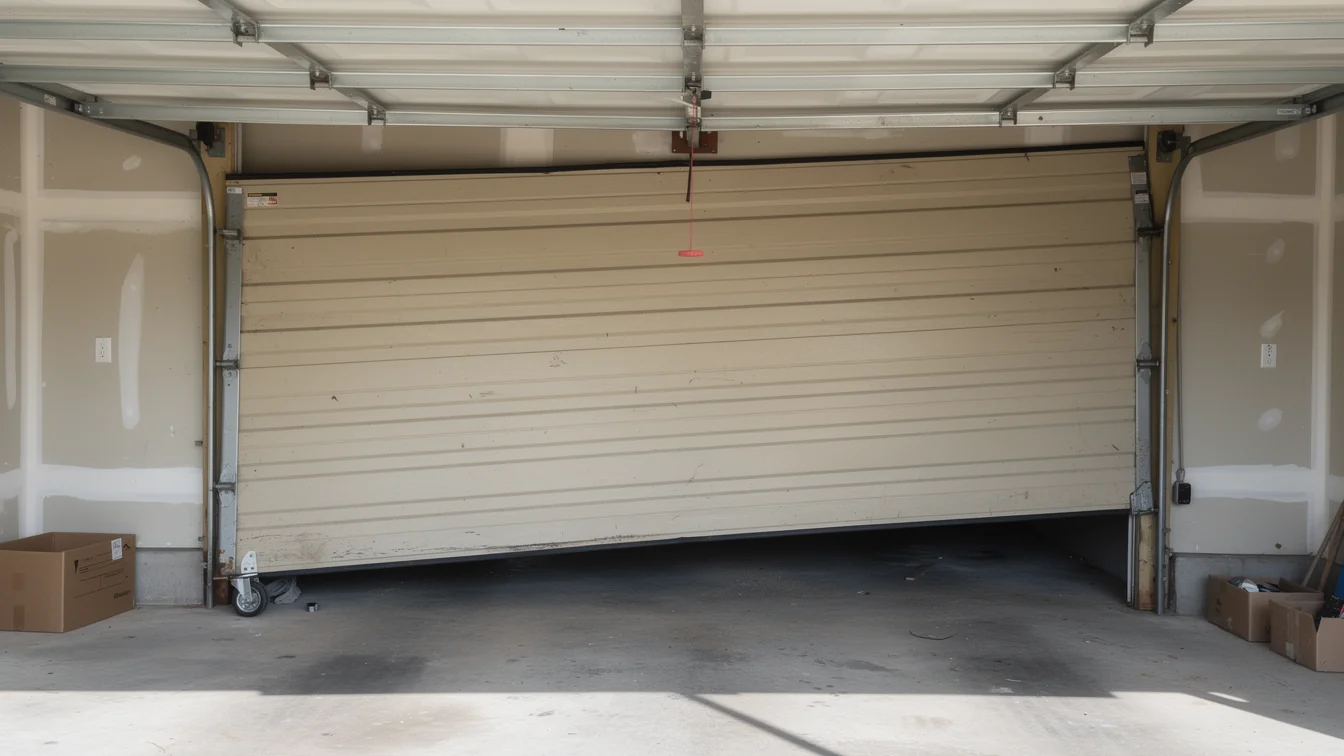
A look at why older Ellicott City garages lose track alignment, tied to the area's 1955-2014 housing stock and severe cold winters.
Read moreReady when you are
Ellicott City Garage Door Pros repairs and installs garage doors, springs and openers in Ellicott City, MD and the surrounding area.