
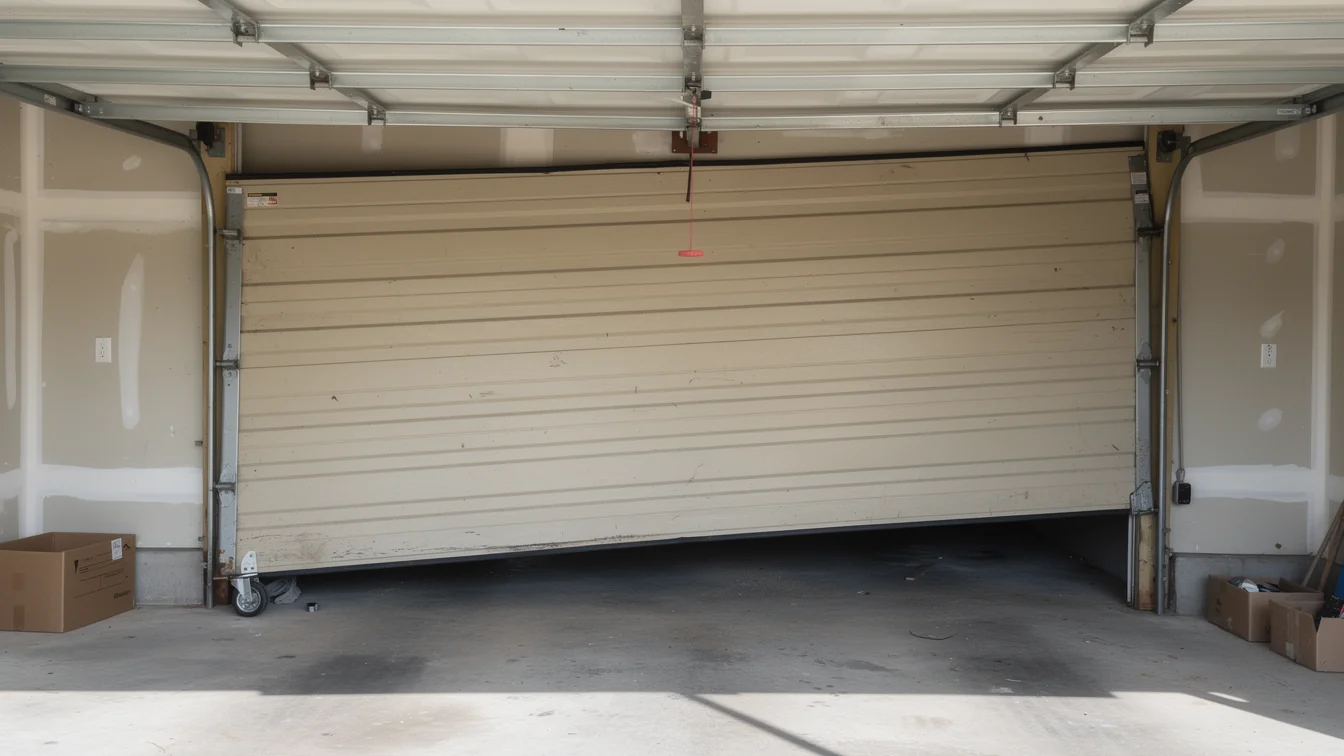
Why Your Garage Door Keeps Jumping Its Track
A look at why older Ellicott City garages lose track alignment, tied to the area's 1955-2014 housing stock and severe cold winters.
Read moreBlogEllicott City, MD · 4 min read
A look at what a tech checks first on Ellicott City garage doors, tied to the 1955-2014 housing stock and the area's cold-climate stress on springs, tracks, and openers.
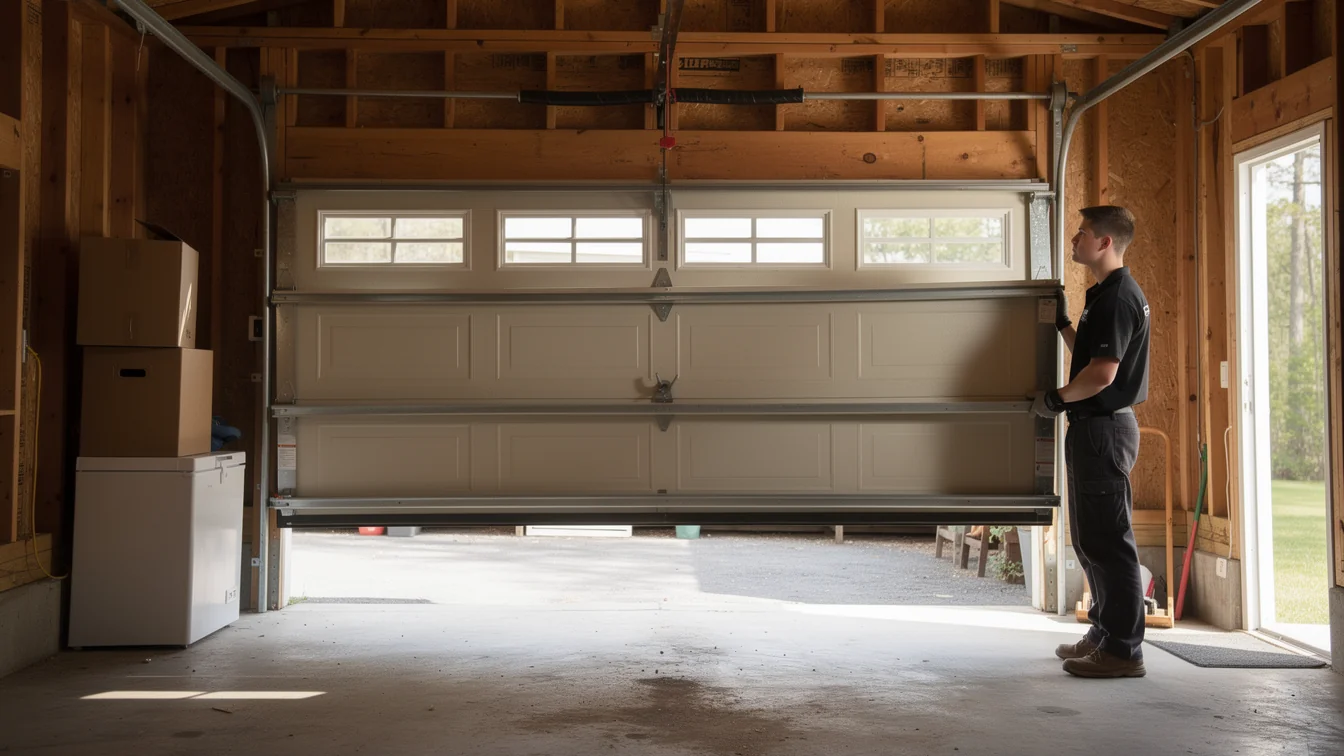
Local detail
Most of the door problems we see on a first visit trace back to the age of the house, not the door itself. Housing in this service area was built mostly between 1955 and 2014, with the median landing around 1979, and a lot of the stock across the 62 named areas we cover dates to the 1960s and '70s. That means the garage itself is often original or close to it - same jambs, same header, sometimes the same track brackets from the first install. A tech's first move is to figure out whether the door is fighting the opener, fighting the track, or fighting the house. On a 1970s build, the header has usually settled a little over fifty years, which throws the track out of plumb even when the door and opener are both fine. We check plumb and square before we touch the spring tension, because tightening a spring on a door that's racked just masks the real problem for another month. We also check what's been swapped already - a lot of homes in this age range have a replacement opener bolted to original track hardware, and that mismatch is where a surprising number of calls start.
The area
Torsion springs under tension can put someone in the ER, and that's true in any town, so we won't pretend that's unique to Ellicott City. What is specific here is what's behind the spring. On houses from the 1960s-70s stock that makes up most of this area, the torsion hardware is often original, which means the anchor bracket and the center bearing plate have fifty-plus years of stress on metal that was never designed to be serviced by a homeowner with a borrowed socket set. If the spring has already unwound partway, or the cable has started to fray at the drum, that's the point where a DIY attempt usually turns into a second call to us anyway - now with a bent track or a cracked panel added to the original job. We tell people straight: a sagging door with a visible gap between coils on the spring is not a tightening job, it's a replacement job, and it needs someone who's done it on this exact vintage of hardware before.
What we find
This area sits in a cold, severe climate band, and that matters more for garage doors than people expect. Cold cycling - repeated freeze and thaw through a Maryland winter - is hard on steel torsion springs and on the nylon or plastic rollers that came standard on doors built through the 1980s and '90s. Metal contracts in the cold, which tightens spring tension slightly and changes how much force the opener needs to lift the door; an opener that's been straining quietly for a few winters on a 1970s-era door is the one that finally gives out on the coldest morning of the year. We also see more broken rollers and frozen track hardware on older installs where the original steel rollers were never upgraded, since steel doesn't flex the way nylon does once the temperature drops. On a door that's original to a 1960s or '70s build, the combination of aging springs and a severe cold-weather cycle is the single biggest driver of the emergency calls we get between December and February.
How we work
We're not going to give you a number here, because what it costs depends entirely on what the tech finds once the door is open - original hardware versus replaced, one spring versus two, a track that's bent versus one that's just out of plumb. What we can tell you is what drives the cost up or down in this area specifically. A household here has a median income of $109,790, and across the roughly 177,301 owner-occupied houses in our service area, the houses on the older end of the 1955-2014 build range tend to need more than a spring swap - often a roller and track inspection at the same time, because the original hardware was never upgraded. That adds labor, not just parts. The honest limitation: if your door is original to a house built before the 1980s and the opener has never been replaced, we're not going to quote you a spring-only fix over the phone, because on that vintage of hardware the spring is rarely the only thing that's worn out.
Questions
Cold weather tightens steel torsion springs and stiffens older nylon or steel rollers. This area sits in a severe cold climate band, and that cycling is one of the biggest reasons doors that were fine in October start struggling in January, especially on houses with original 1960s-70s hardware.
If your house was built between 1955 and 2014, which covers most of this area, there's a real chance the track and spring hardware is original, even if the opener was swapped at some point. A tech can tell quickly by looking at the anchor bracket and bearing plate.
Not safely, and on older hardware especially not without checking the anchor bracket first. If the spring has visible gaps between coils or the cable looks frayed, that's a replacement job, not an adjustment, and it's the kind of job where a mistake gets expensive fast.
Usually it's not the opener at all - it's a spring that's lost tension, often after a stretch of cold weather, and the opener is just straining to compensate. On older doors in this area that's a common pattern each winter.
Recommendation
More garage door guides for Ellicott City homeowners.
A look at why older Ellicott City garages lose track alignment, tied to the area's 1955-2014 housing stock and severe cold winters.
Read more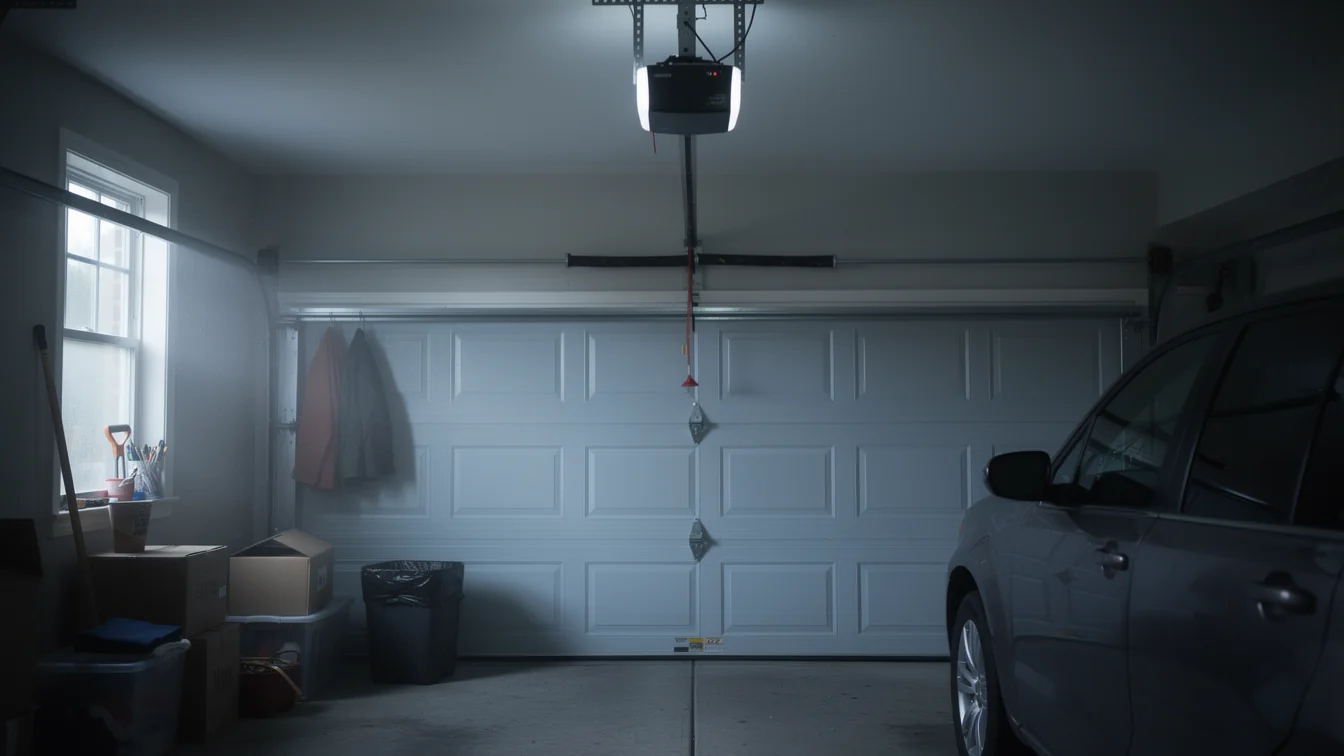
Ellicott City's 1960s-70s housing stock and severe cold winters put real strain on garage door openers during power cuts.
Read more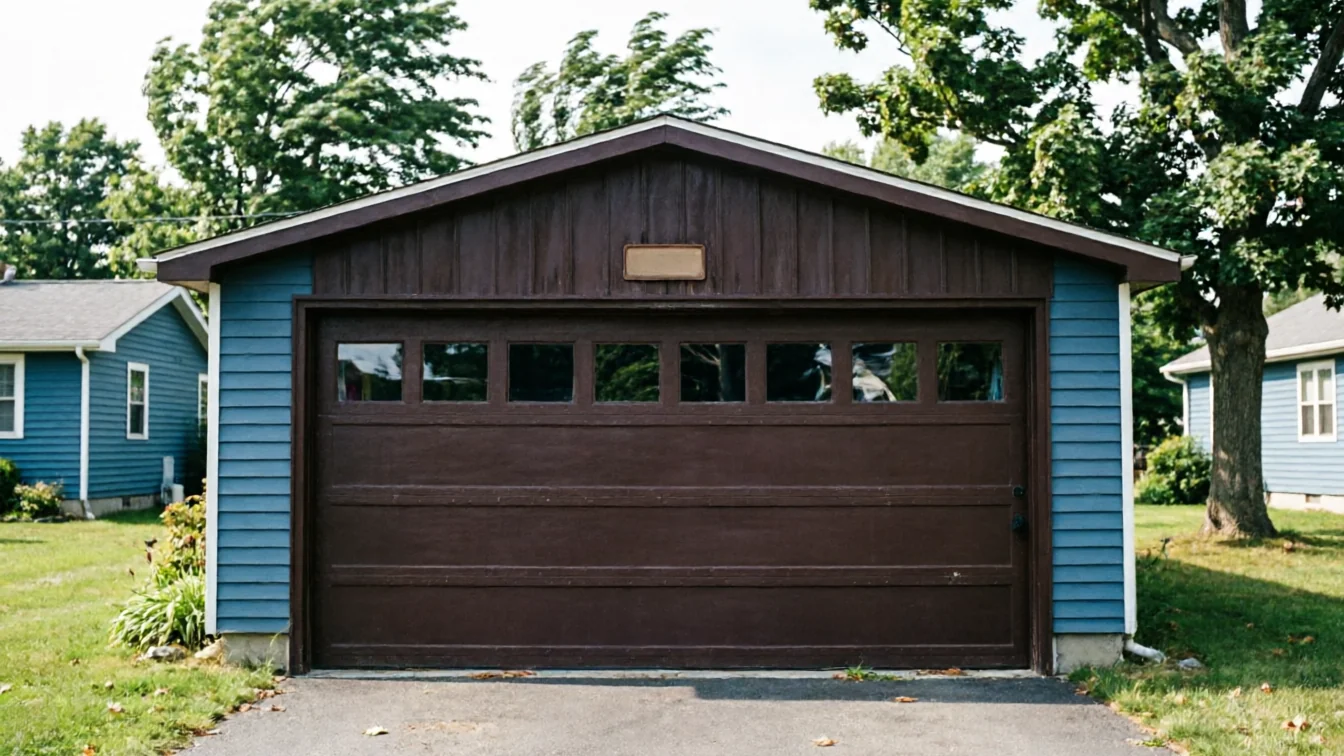
Why wide garage doors built during Ellicott City's 1960s-70s boom flex and fail in wind, and what the area's cold climate adds to that stress.
Read moreReady when you are
Ellicott City Garage Door Pros repairs and installs garage doors, springs and openers in Ellicott City, MD and the surrounding area.