
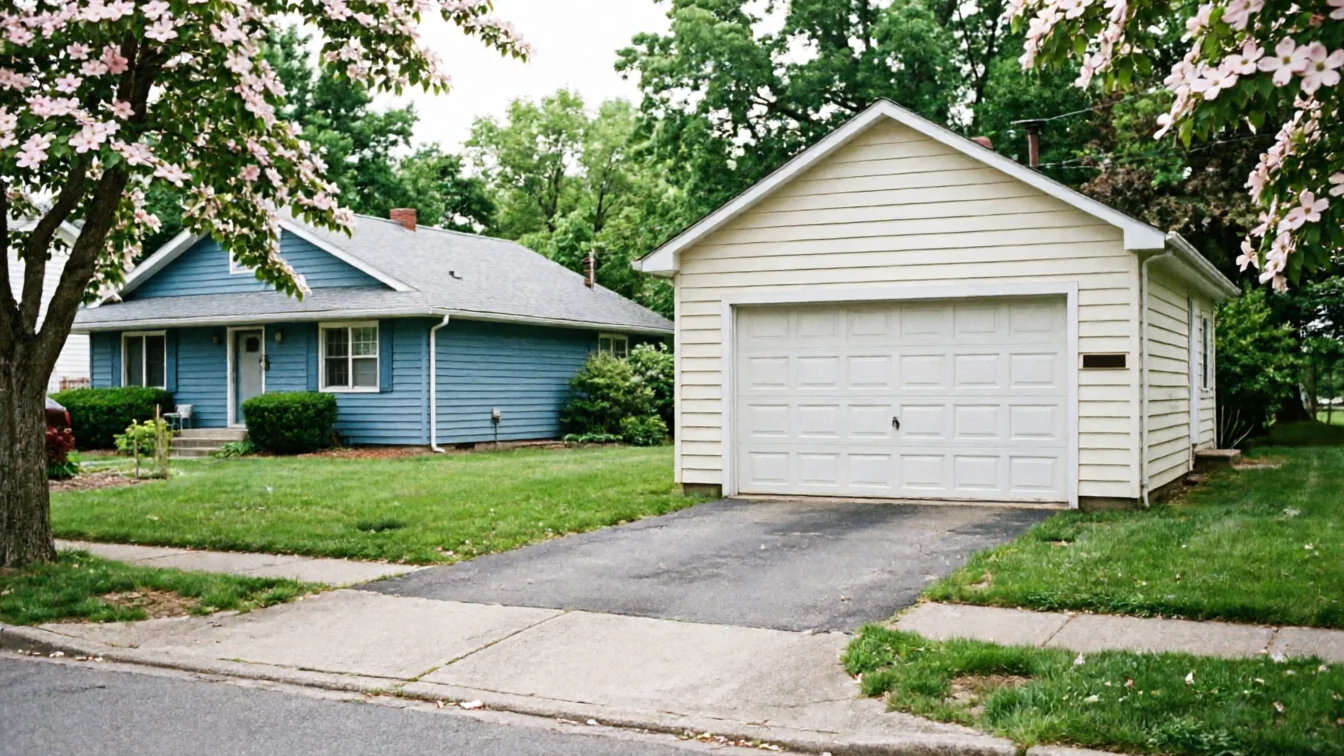
Attached or Detached: Why the Garage Type Changes the Door Here
Ellicott City homes built between 1955 and 2014 split between attached and detached garages, and that split changes what the door, opener, and insulation need to be.
Read moreBlogEllicott City, MD · 4 min read
A grinding, popping, or screeching door usually points to the same handful of causes in homes built here between 1955 and 2014. Here's what each sound tells you.
Local detail
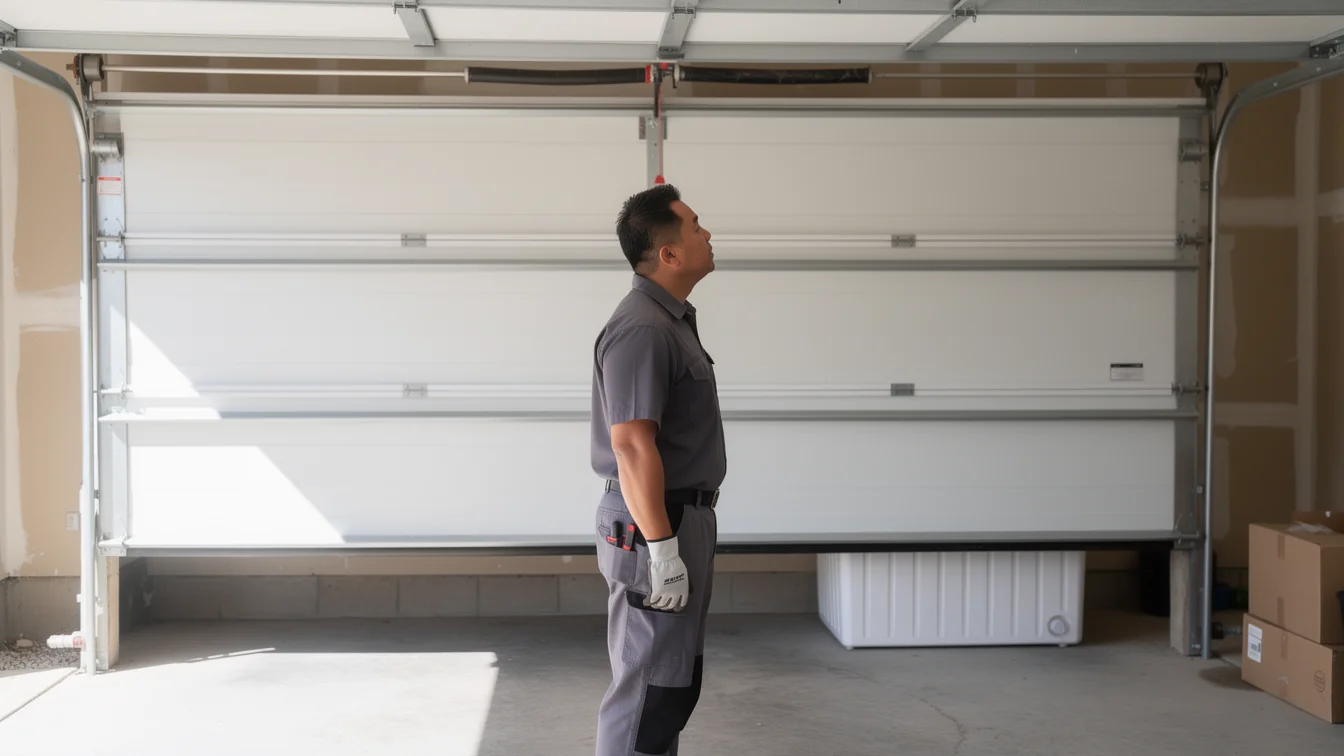
Most houses in this part of the service area went up somewhere between 1955 and 2014, with the bulk of the stock dating from the 1960s and 70s. That matters because a door makes different noises depending on what era of hardware is behind the panel. A grinding or rattling sound on an older door usually means the rollers are original steel, worn down and riding dry in the track. A sharp pop or bang, especially right after you hit the opener, is almost always a torsion spring losing tension or a cable starting to fray off the drum. A rhythmic thump as the door travels is often a bent track section or a panel hinge that's worked itself loose over a couple of decades of daily cycles. Squealing that rises in pitch as the door opens points to a dry bearing plate at the top of the shaft, not the opener itself, which is the mix-up we hear most often on service calls. None of these sounds fix themselves, and most of them get louder and more expensive to ignore. A door that's merely noisy is still a door you should have looked at before it's a door that won't move at all.
The area
Lubricating hinges and rollers is fine to do yourself, and it quiets a lot of minor squeaks. Where you need to stop is anything involving the torsion spring or the cables under it. That spring is wound under enough tension to break a hand or worse, and on the older torsion setups still common in houses from this area's 1960s and 70s building wave, the winding cones are often rusted or undersized for today's heavier insulated doors. If the noise is coming from the spring area - a creak that gets worse as the door nears the top, or a visible gap in the coil - call it in rather than touch it. We'll also say plainly: if your opener is original to a house built in the earlier part of that 1955-2014 range, the noise might be the motor itself failing, and no amount of track adjustment or lubrication will quiet a gearbox that's done.
What we find
This area sits in a cold-climate band with real seasonal swings, and that does specific things to a garage door most owners don't expect. Steel contracts in hard cold, which tightens tolerances in the track and roller channel - it's why doors that run quiet in July start grinding in January. Moisture that gets into an unheated garage and freezes overnight will seize a bearing plate or stiffen the lubricant on an older spring, which is where that first-cold-morning screech usually comes from. Homes built before the 1980s in this stock often have garages that weren't built with much insulation or sealing in mind, so the hardware inside sees close to outdoor temperature swings all winter. If your door has gone from quiet to noisy specifically with the season change, that's a strong sign the issue is cold-stiffened lubricant or a track that's shifted slightly out of tolerance, not a part that's actually broken yet.
How we work
We don't have a flat number to hand you here, and we're not going to invent one. What we can tell you is what drives the cost up or down. A noise that turns out to be dry rollers is a cheap fix - lubrication and maybe roller replacement. A noise that's a torsion spring going is a bigger job, priced by spring size and door weight rather than by the noise itself. If your house falls on the older end of the 1955-2014 build range common in this service area, parts for the original torsion hardware sometimes aren't something we can pull off a shelf, and that can mean a short wait rather than a same-day fix. The honest line we give most callers: if the opener motor is the problem on a door this old, replacing the opener is usually a better use of your money than repairing one that's already near the end of its working life.
Questions
Cold stiffens lubricant and tightens metal tolerances in the track and bearing plate. In this climate, a door that runs fine in warm months can start screeching once temperatures drop, especially if the garage isn't heated or well sealed.
No. Grinding is more often worn rollers riding dry in the track than the opener motor itself. We check the rollers and track first on an older door before assuming the opener is at fault.
For a while, yes, if the noise is a dry roller or hinge. If the noise is coming from the spring area - a creak or pop near the top of the travel - stop using it and get it looked at before it fails under load.
Older torsion hardware common in houses from that build era uses heavier steel parts and simpler bearing setups that wear and dry out differently than newer doors. The noise pattern often points straight to the hardware's age.
Recommendation
More garage door guides for Ellicott City homeowners.
Ellicott City homes built between 1955 and 2014 split between attached and detached garages, and that split changes what the door, opener, and insulation need to be.
Read more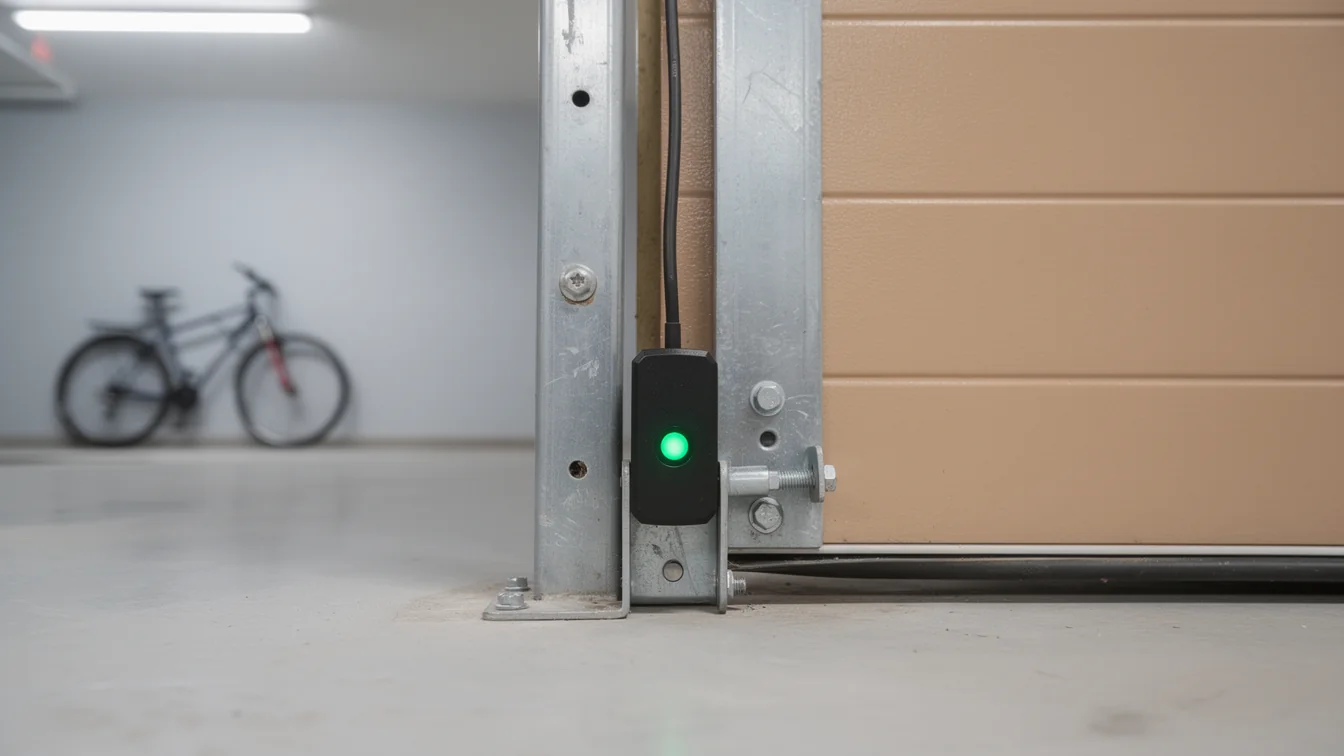
Why safety sensor alignment fails in Ellicott City homes built between 1955 and 2014, and what the region's cold winters do to the brackets that hold them.
Read more
In Ellicott City, houses mostly date to 1955-2014, median 1979; cold winters wear out old springs and openers.
Read moreReady when you are
Ellicott City Garage Door Pros repairs and installs garage doors, springs and openers in Ellicott City, MD and the surrounding area.