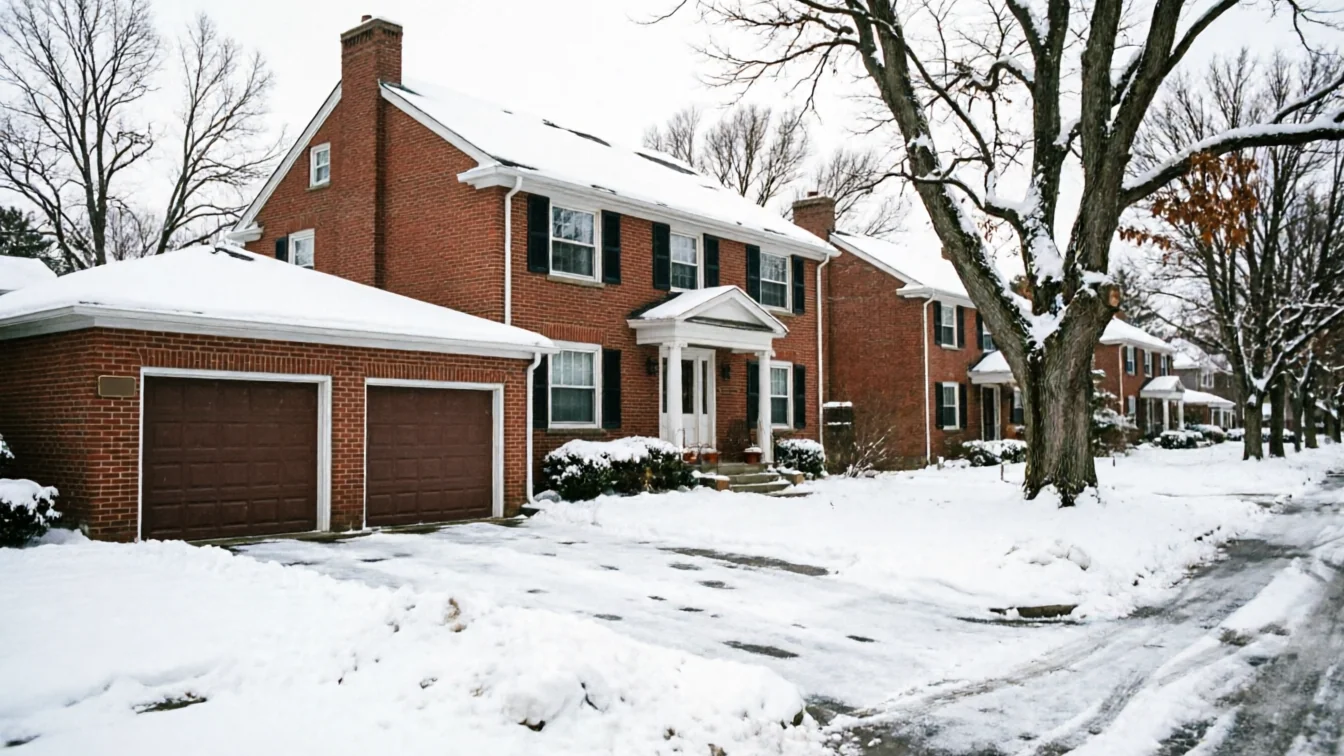
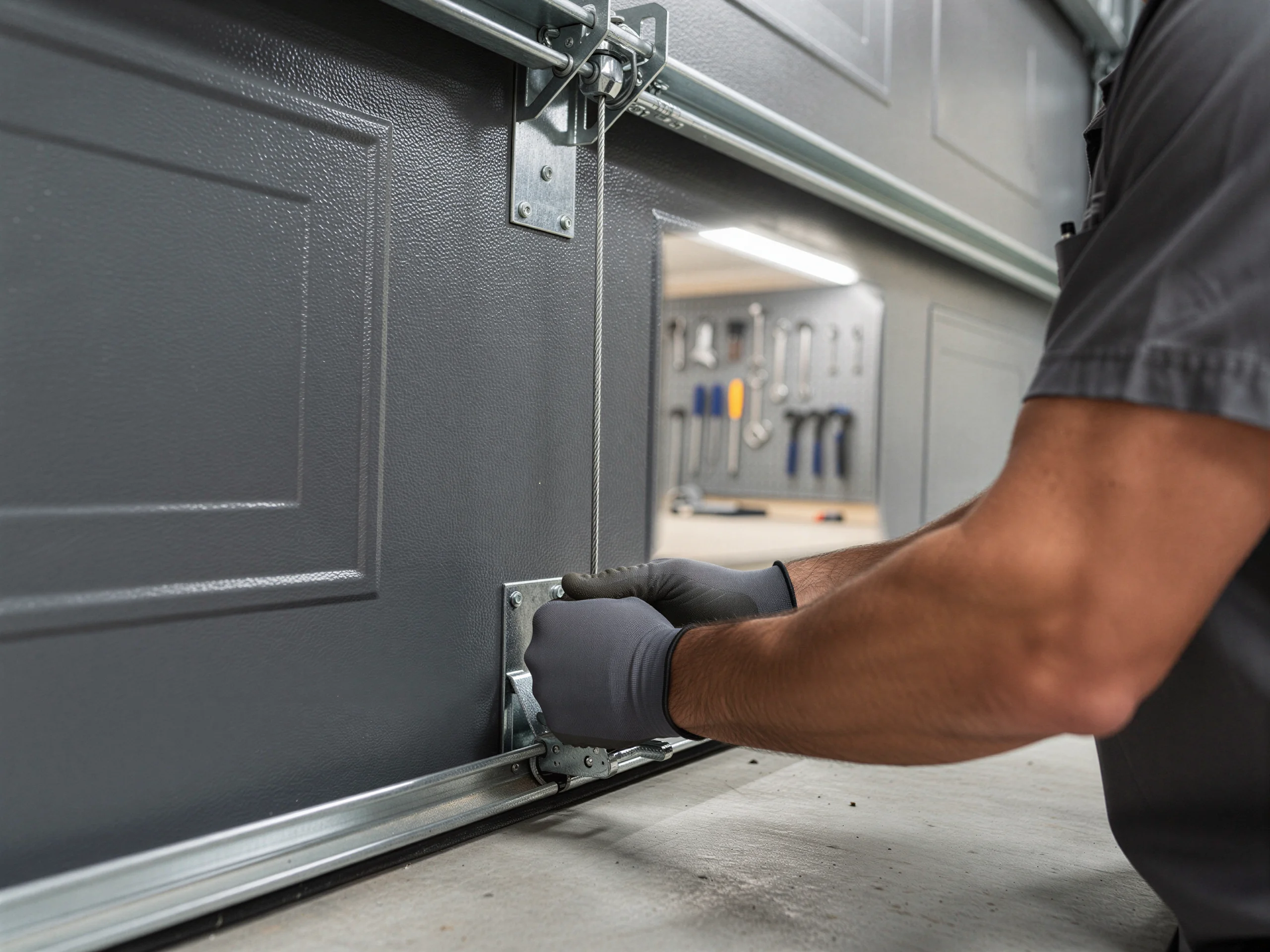
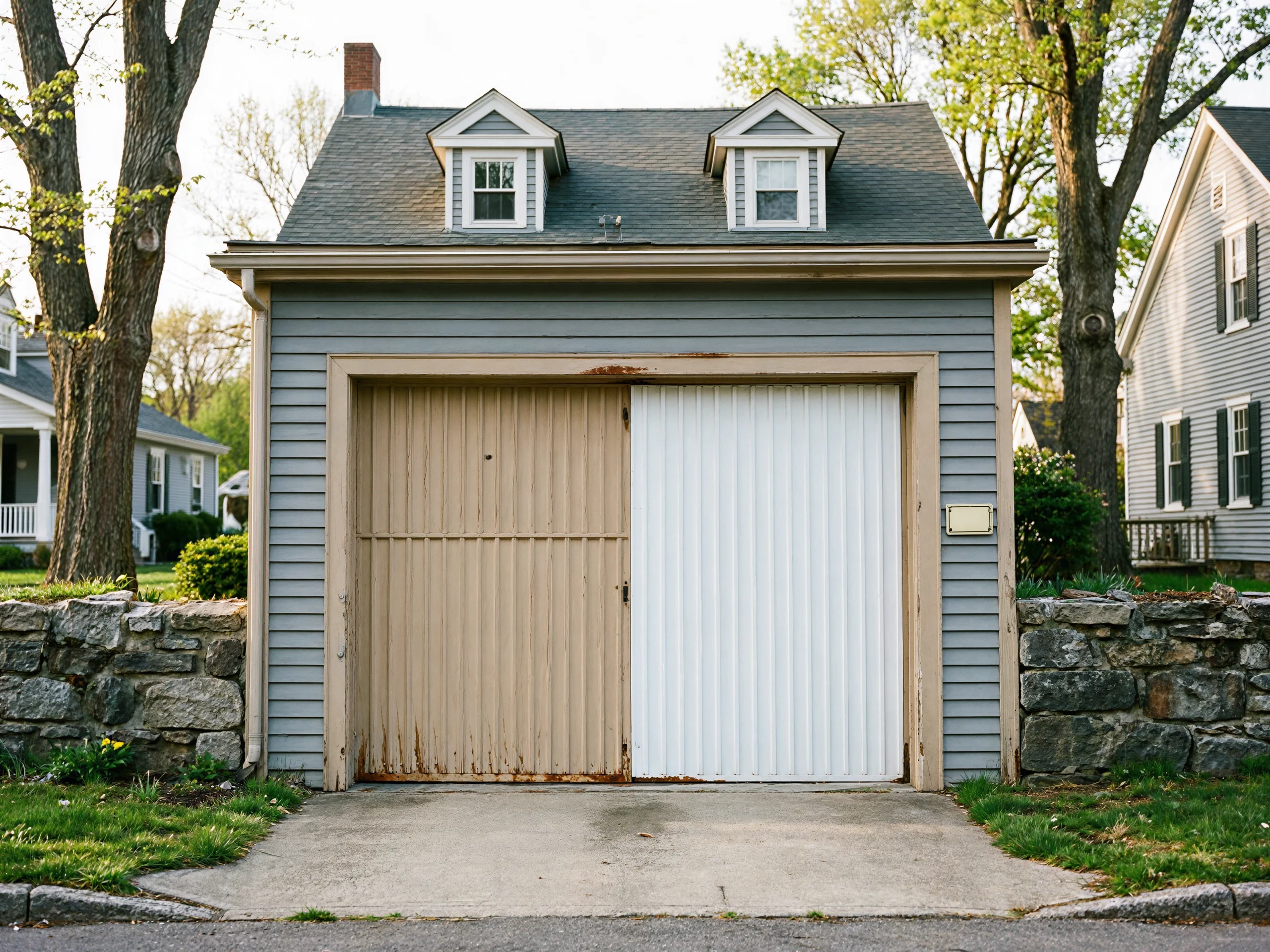
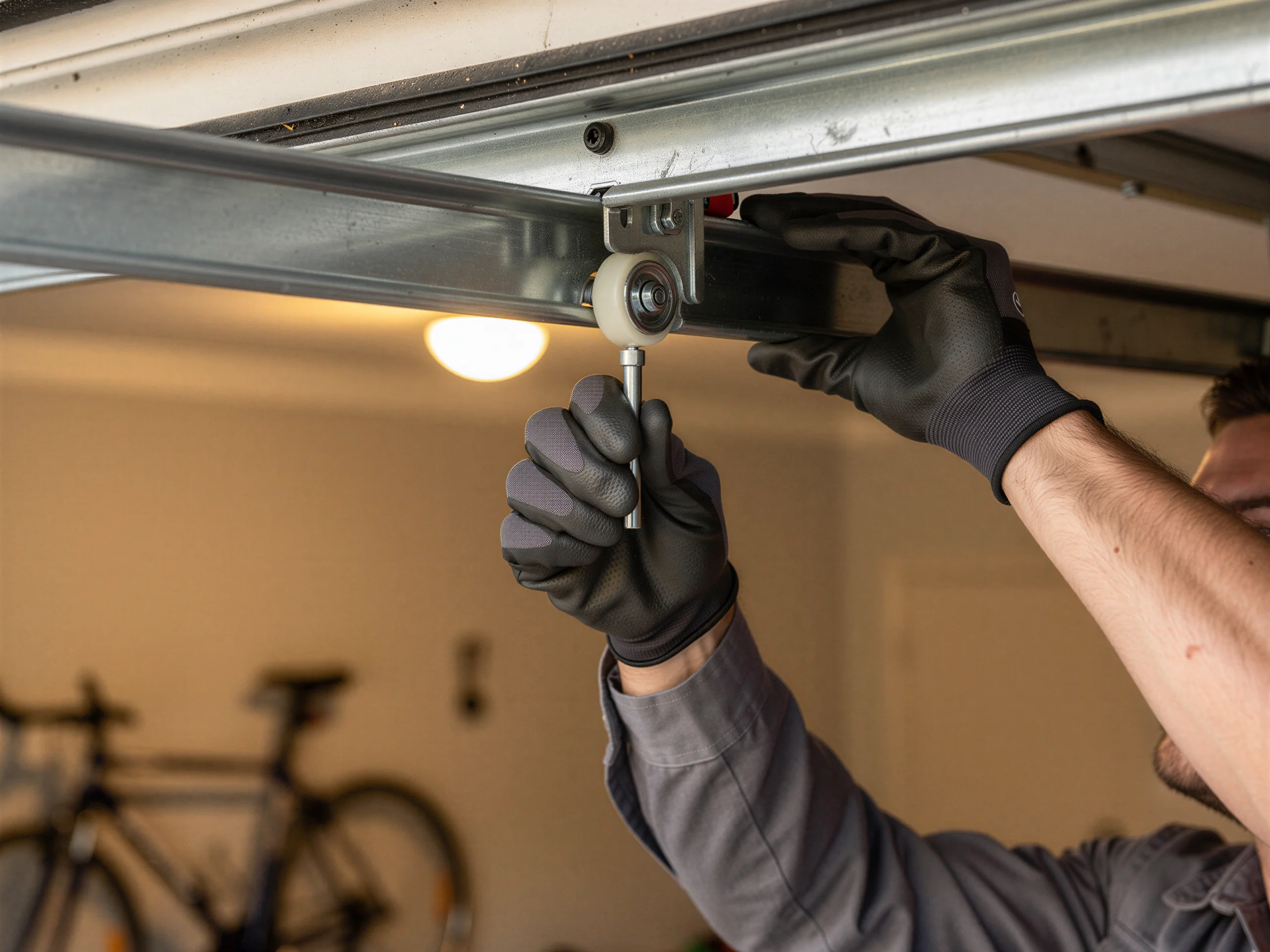
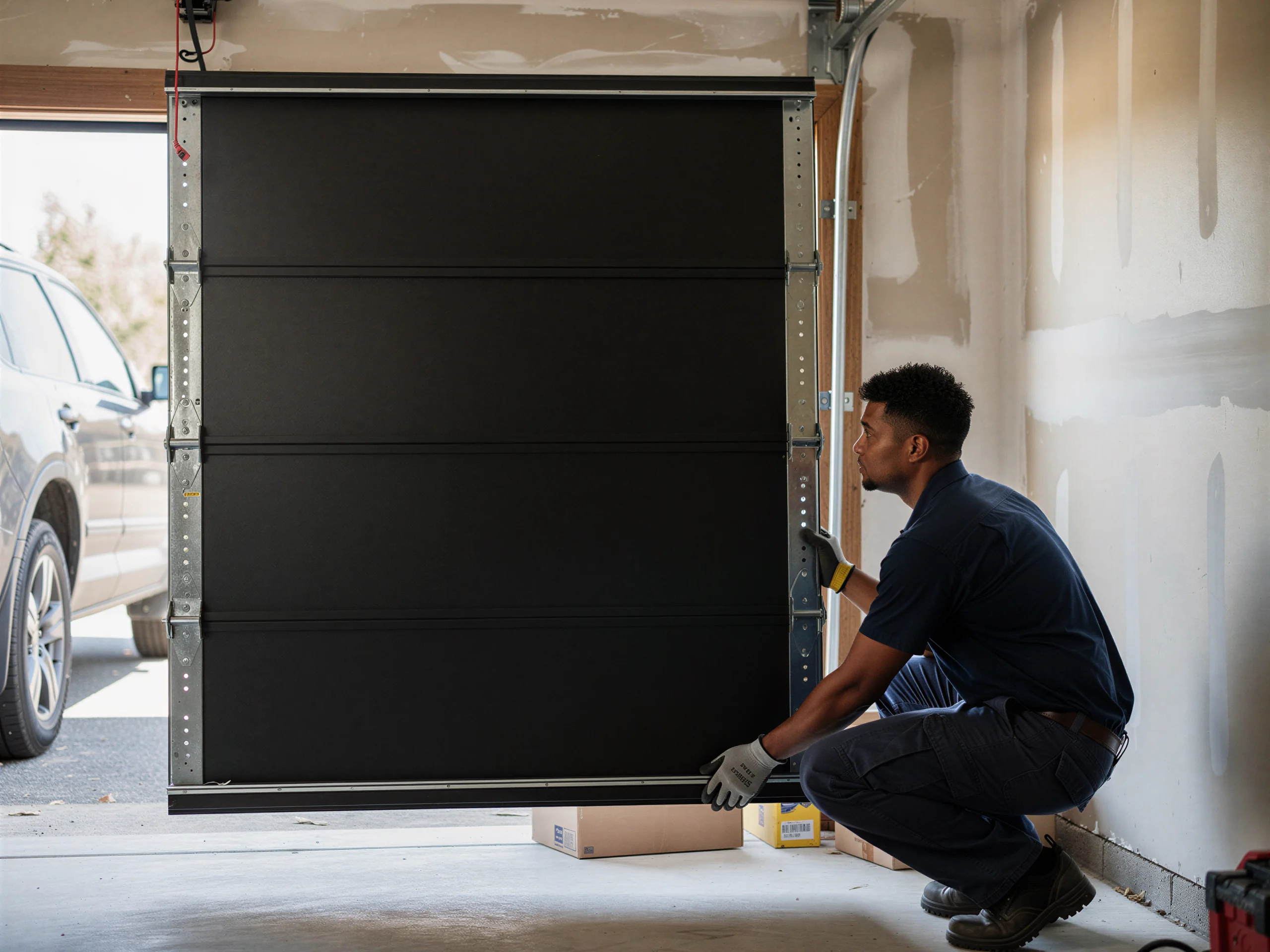
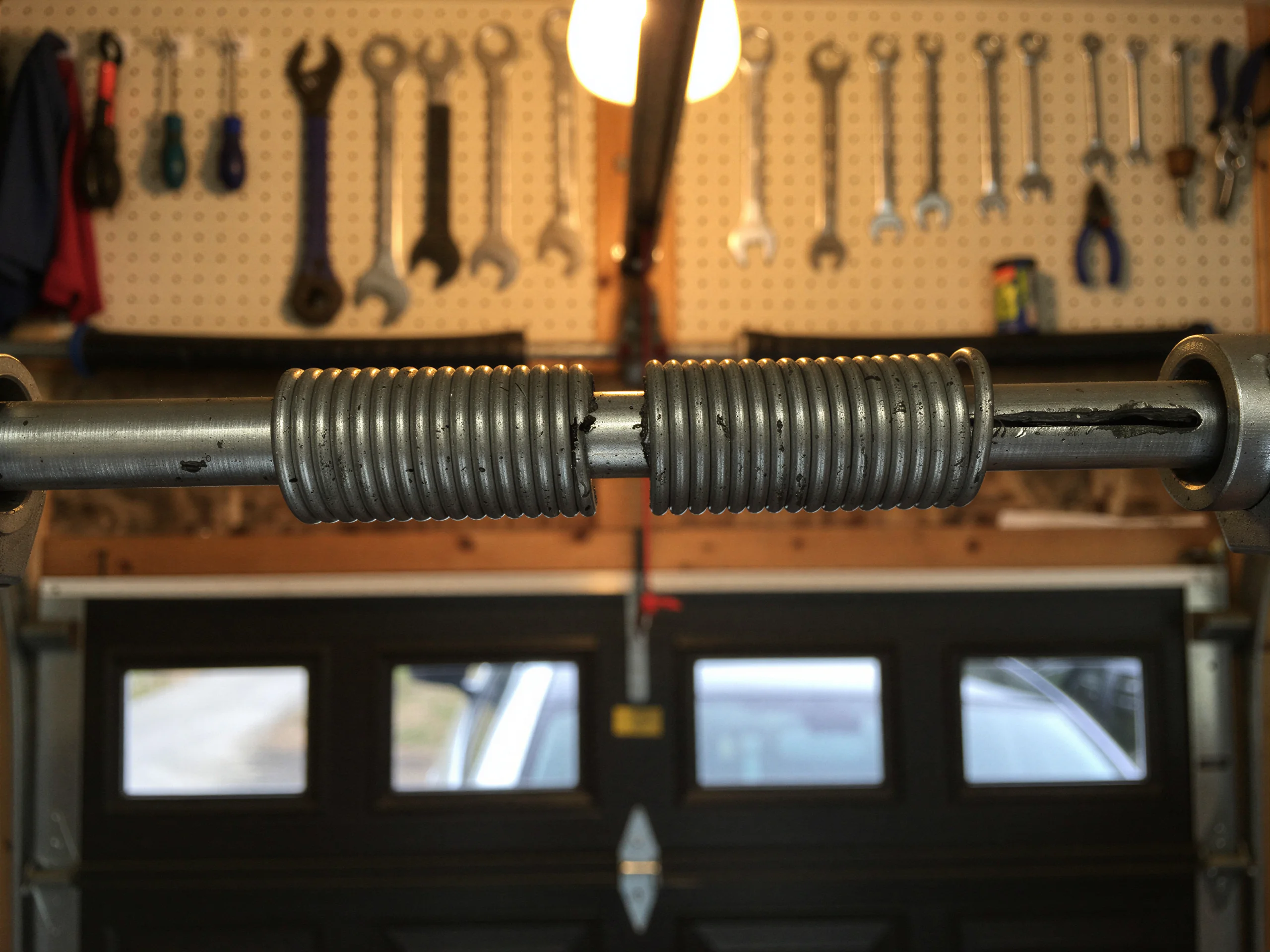
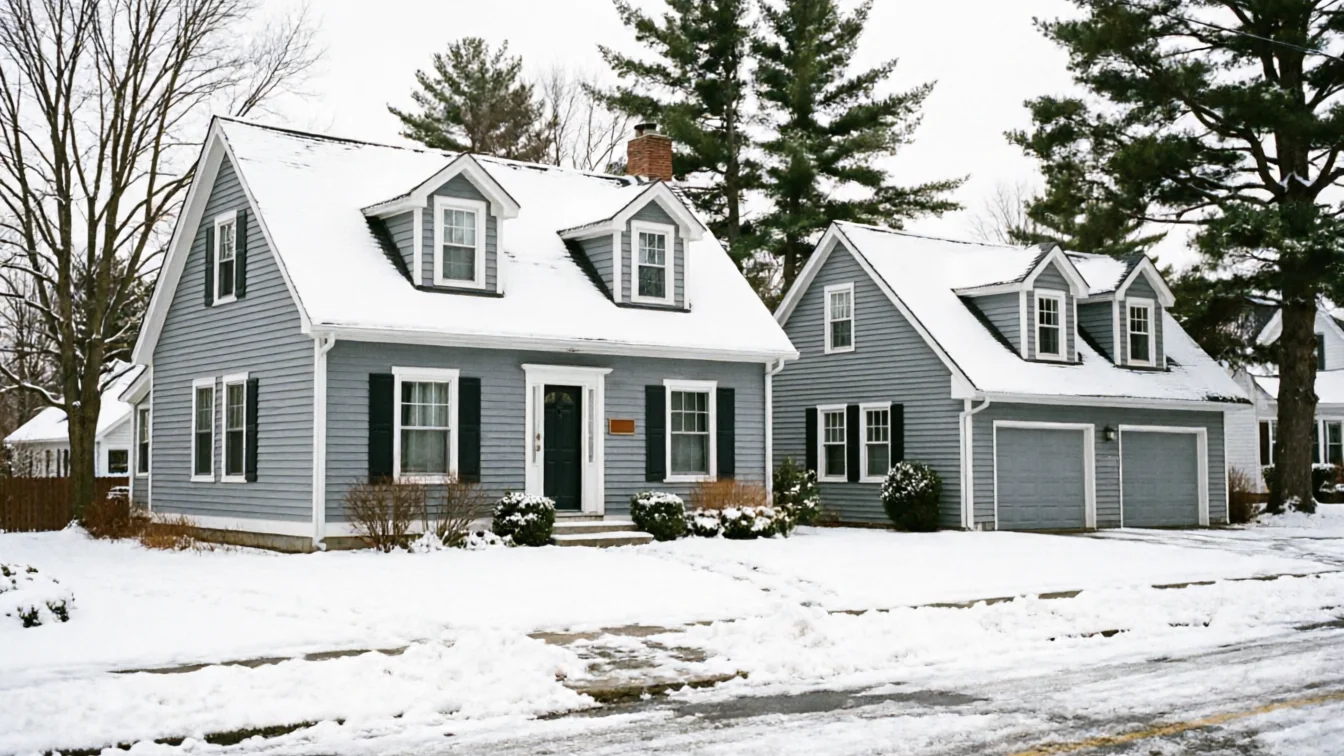
The 32 towns on our route span a housing stock built mostly between 1955 and 2014, with the median landing around 1979, and that range is the whole story behind what fails. In the older pockets - closer to the 1960s end, which covers a lot of ground near Catonsville, Arbutus, and Lansdowne - original doors are often single-wall steel on side-mounted torsion springs, hardware nobody stocks new anymore. Those jobs are usually spring and hardware replacement rather than a simple part swap.
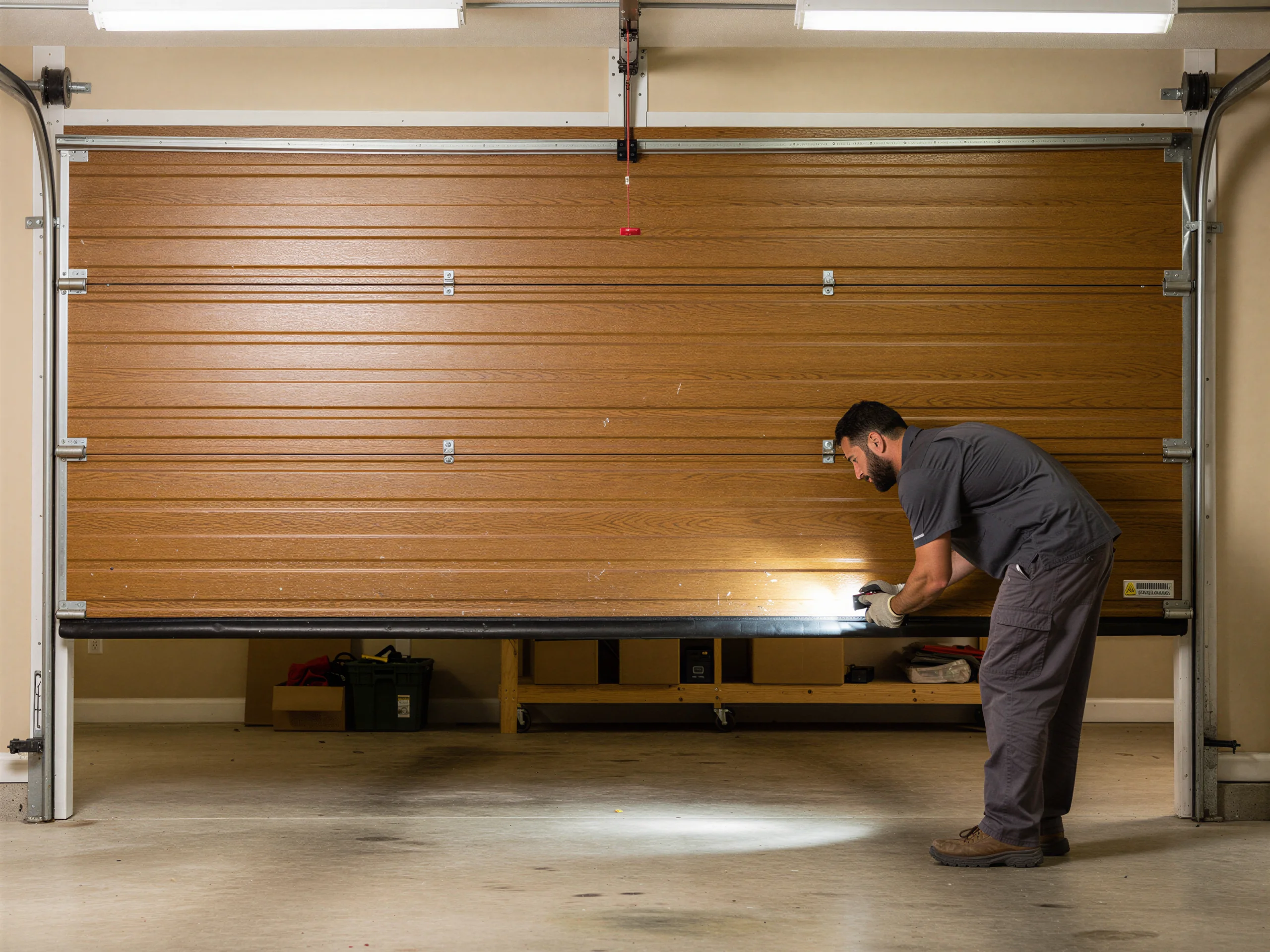
Farther out, in the areas built later, you're more likely dealing with sectional doors on center-mounted torsion systems and openers from the 1990s and 2000s - the failure there is usually a dying opener logic board or a worn drive gear, not the door itself.
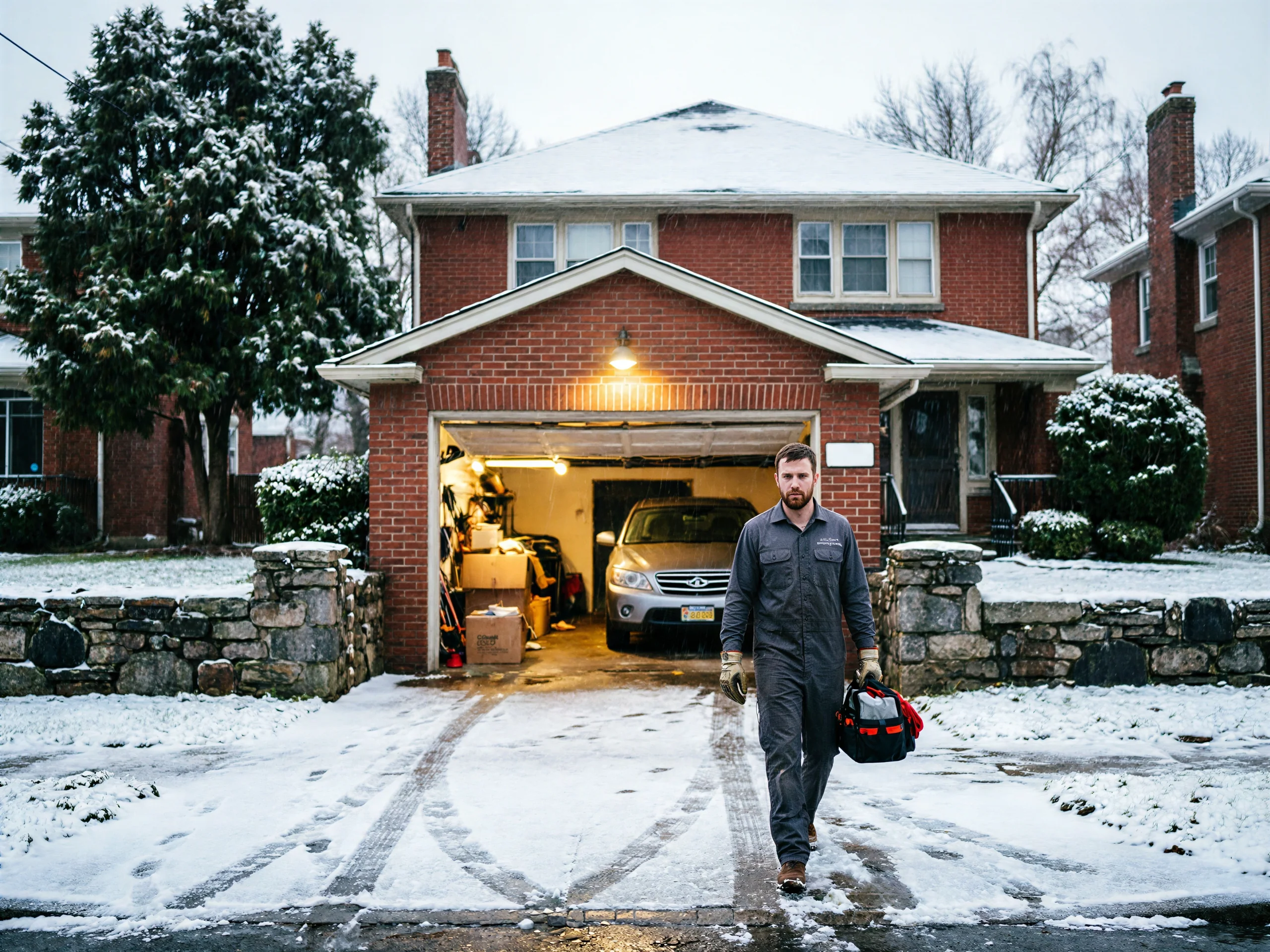
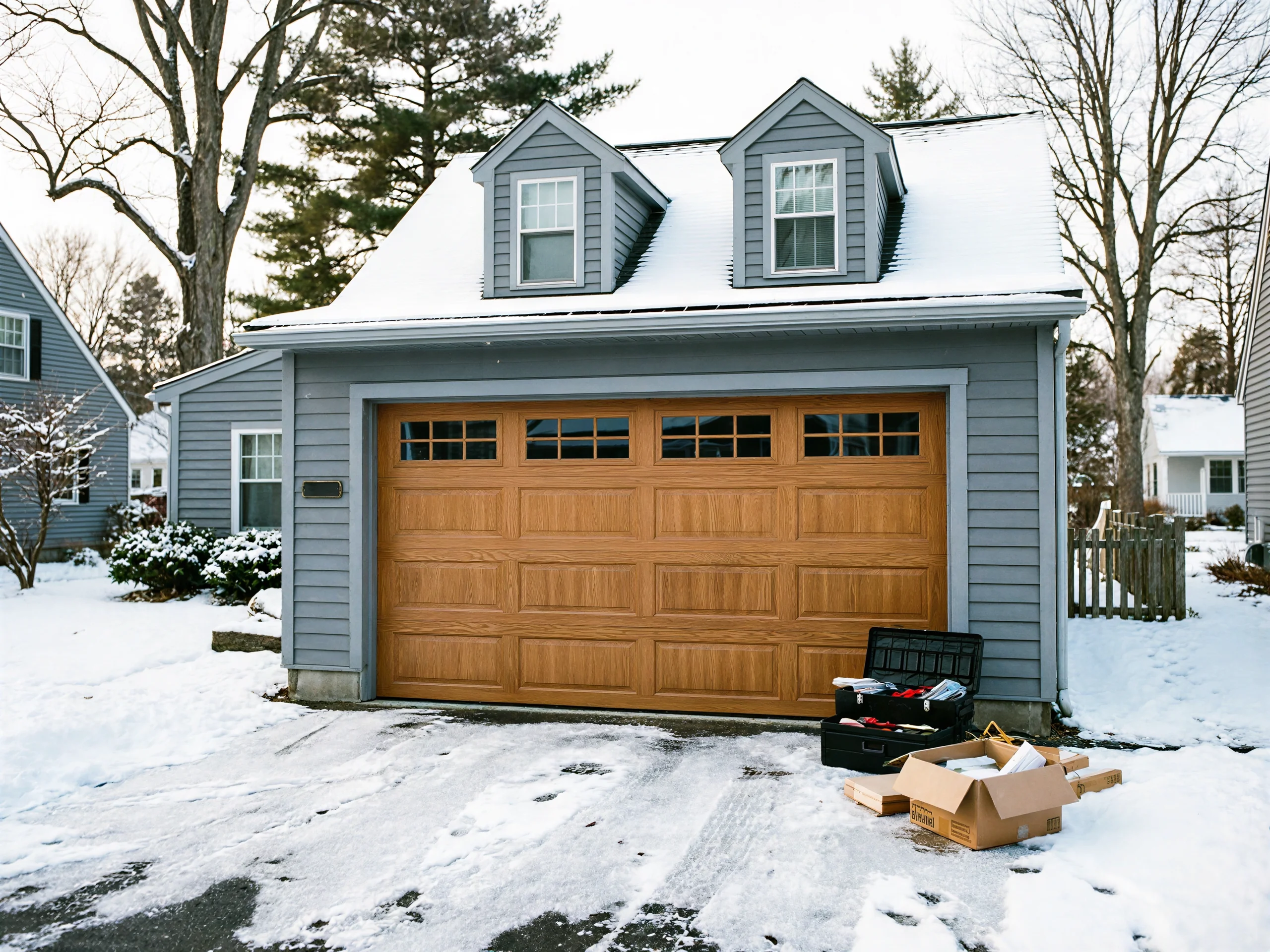
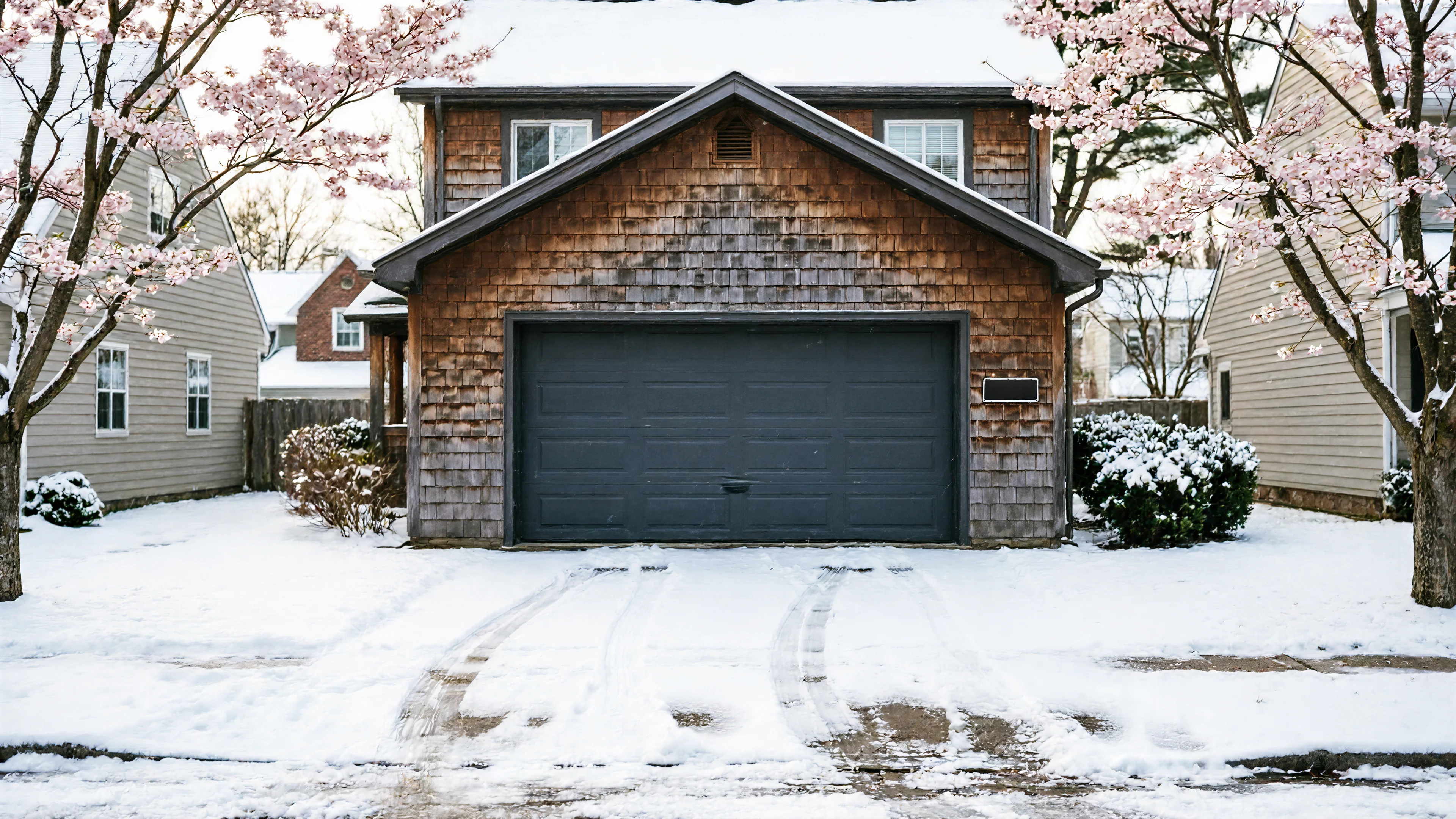
Winters here are cold enough that steel doors without insulation take a real hit: condensation on the inside face, panels that warp slightly at the bottom where moisture sits, and springs that lose tension faster in the cold than they would in a mild climate. With median household income across the service area at $109,790, we see plenty of owners skip the patch-job route and go straight to an insulated steel replacement once a door starts showing its age - not because the old one can't be fixed, but because the math on heating a garage through another cold stretch doesn't favor it.