
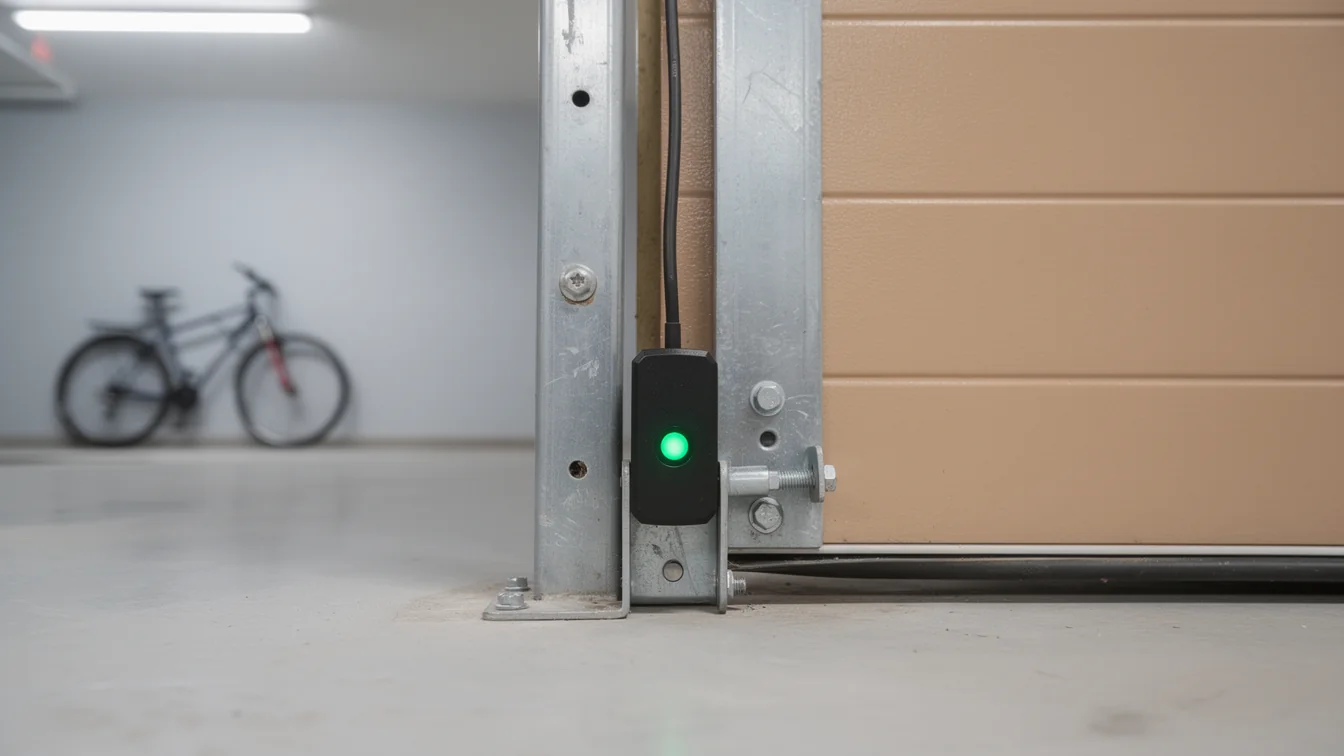
Why Your Safety Sensors Keep Going Out of Alignment
Why safety sensor alignment fails in Ellicott City homes built between 1955 and 2014, and what the region's cold winters do to the brackets that hold them.
Read moreBlogEllicott City, MD · 5 min read
Ellicott City homes built between 1955 and 2014 split between attached and detached garages, and that split changes what the door, opener, and insulation need to be.
Local detail
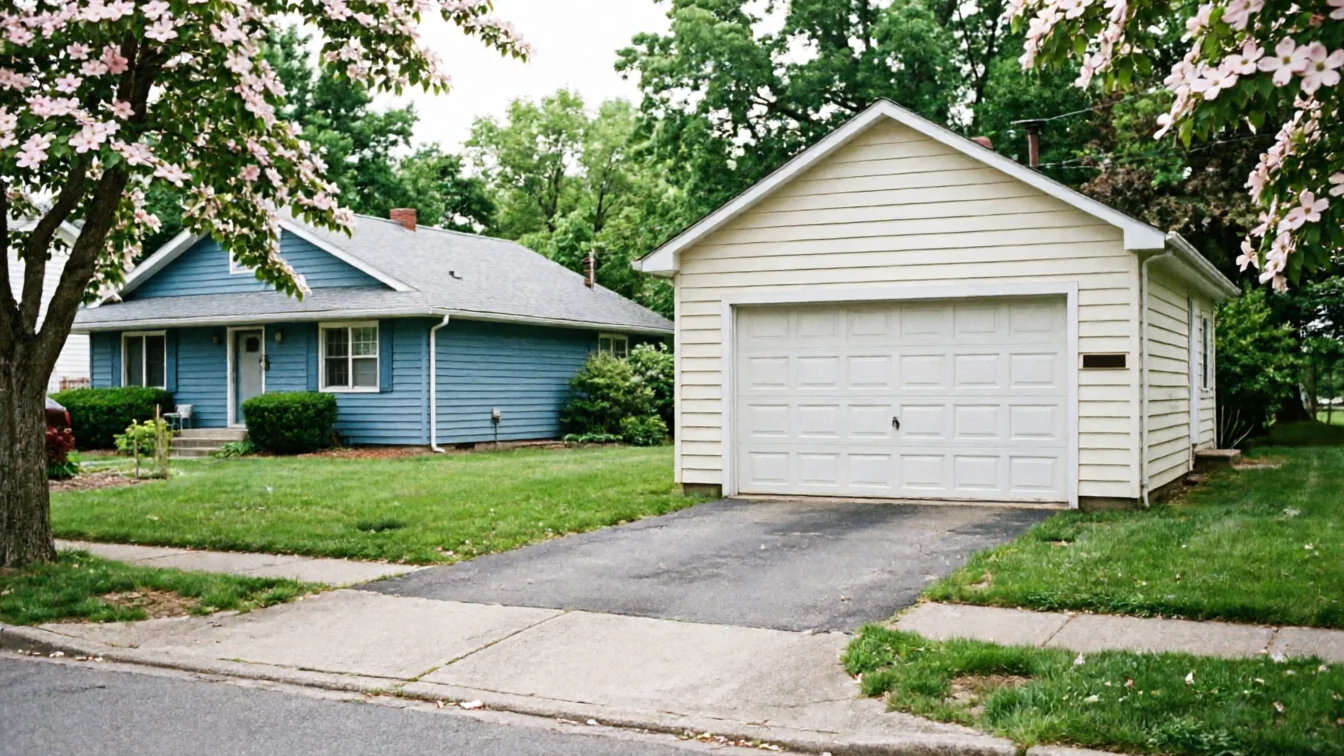
Walk a few blocks in Ellicott City and you'll see both setups on the same street: a split-level from the 1960s or 70s with the garage tucked under the living space, and a newer build from the 1990s or 2000s with a detached garage sitting off to the side or behind the house. Housing in this area went up mostly between 1955 and 2014, with the bulk of it dating to the 1960s and 70s, so you get a real mix of construction styles rather than one dominant layout.
An attached garage shares at least one wall, and usually the ceiling, with conditioned living space. That wall is part of the house envelope, so the door itself becomes part of how the house holds heat. A detached garage has no such obligation - it's judged on its own, usually against wind and cold rather than against a bedroom on the other side of drywall.
The practical result: on an attached garage, an uninsulated or warped door costs you comfort in the rooms next to it, not just space in the garage. On a detached structure, the door's job is simpler - keep weather and critters out - but the building itself may have less bracing, less wiring, and less insulation to begin with, since it was never meant to double as living space.
The area
A sagging section or a spring that's lost its tension is a call-a-pro job regardless of garage type - torsion springs under load are not a weekend project, full stop, and we say that whether your garage shares a wall with the kitchen or sits forty feet from the house.
Where the garage type actually changes the decision: on an attached garage, a door that's binding or dragging on the track can be straining the header above it, and that header is tied into the house framing. Ignoring that is different from ignoring the same symptom on a detached garage, where the worst case is usually just a door that falls off its rollers.
On older attached garages from the 1960s and 70s stock common in this area, we also see openers that were never matched to the door weight after a panel replacement - someone swapped the door, kept the old opener, and now the unit strains every cycle. That's a sign to stop and get it looked at, not to keep forcing the remote.
One limitation worth saying plainly: we don't do structural framing repairs. If a header or jamb has shifted enough that the door problem is really a carpentry problem, that's a different trade, and we'll tell you so rather than keep selling you door parts.
What we find
This area sits in a cold climate zone with real winter severity, and that matters differently depending on garage type. An attached garage without a properly sealed, insulated door is a direct path for cold air into the house - the door becomes the weak point in an otherwise insulated wall assembly built sometime between 1955 and 2014.
A detached garage doesn't carry that same energy penalty, but it takes the cold more directly on every surface, since there's no shared wall radiating a little warmth back. Panels on detached structures tend to show more condensation and frost cycling on the inside face in a hard winter, which over years can work on seams and weep holes faster than on an attached door that gets some benefit from house heat leaking through the wall.
Wind load is the other piece. A detached garage standing alone catches wind from more sides than one tucked against or under a house, so track and hardware on a detached unit see more flex over a cold, gusty winter. None of this means one setup is better - it means the door spec and the weatherstripping choice should match which kind of garage you've actually got, not a generic recommendation.
How we work
We don't have a price list to quote here, and giving you a number without seeing the door, the opener, and the garage type would be a guess dressed up as a fact. What we can tell you is what drives the number up or down.
An attached garage job usually needs more attention to sealing and insulation value in the door itself, because that door is doing double duty as part of the house envelope. A detached garage job is often more about hardware - tracks, rollers, cables - since the structure takes more direct weather and wind over the years.
Age of the house plays in too. Housing in this area runs from 1955 up through 2014, with a lot of it dating to the 1960s and 70s, so older openings sometimes need minor framing adjustment to fit a current standard door size, which adds labor time regardless of garage type. Newer builds in the detached-garage range usually fit standard sizes without modification.
The honest answer is: tell us attached or detached, roughly when the house or garage was built, and whether you're repairing or replacing, and we can give you a real range instead of a placeholder.
Questions
Yes. It changes what we check first. On an attached garage we look at how the door affects the house wall and whether a header is under strain. On a detached garage we focus on hardware wear and weather exposure, since the structure takes wind and cold more directly without a shared house wall.
In this climate band, an uninsulated or poorly sealed door on an attached garage acts like a gap in the house's wall. Houses here were built across a long span, 1955 to 2014, and older doors especially may predate current insulation expectations, letting cold air push into the garage and the rooms next to it.
In some ways yes, since there's no shared wall to worry about for heat loss. But detached structures catch more wind and cold on every side, so hardware like rollers, cables, and track tends to show wear from weather exposure sooner than on a door that gets partial shelter from the house.
Recommendation
More garage door guides for Ellicott City homeowners.
Why safety sensor alignment fails in Ellicott City homes built between 1955 and 2014, and what the region's cold winters do to the brackets that hold them.
Read more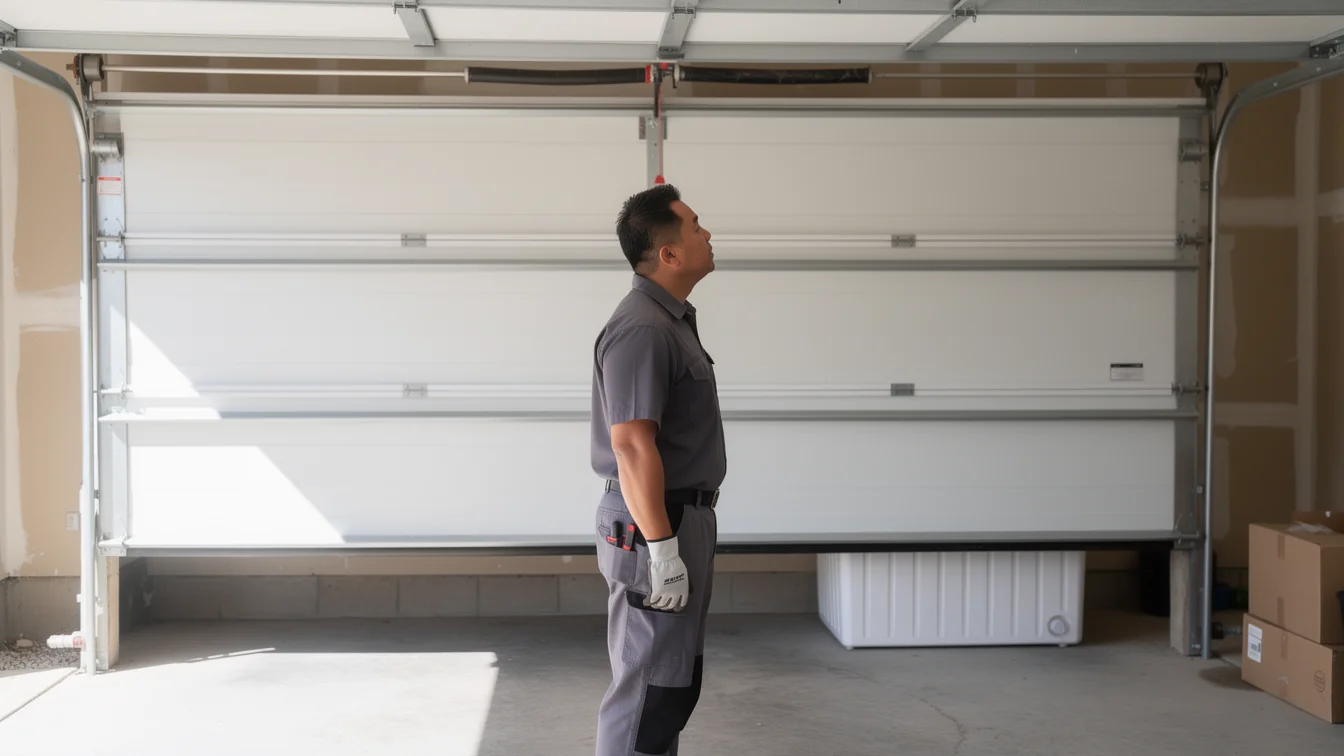
A grinding, popping, or screeching door usually points to the same handful of causes in homes built here between 1955 and 2014.
Read more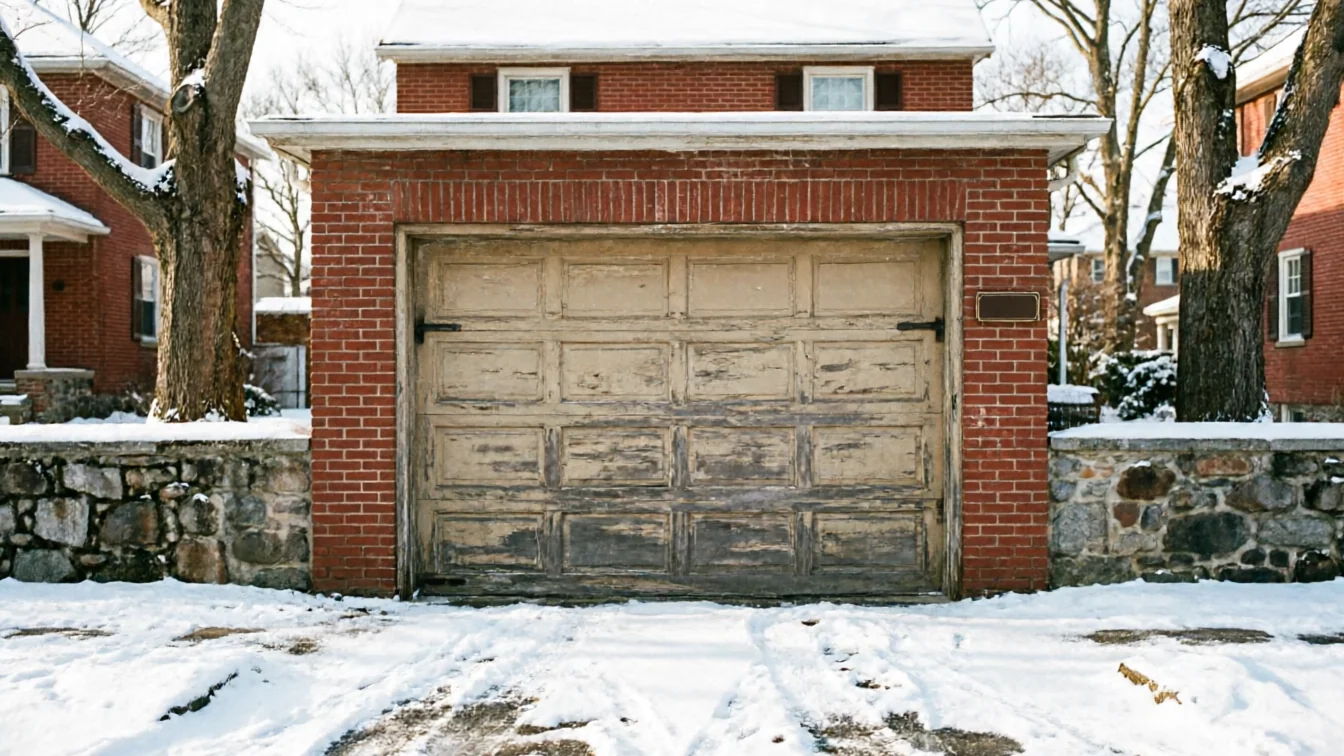
Most Ellicott City homes date to 1955-2014, median 1979, so original torsion hardware is common.
Read moreReady when you are
Ellicott City Garage Door Pros repairs and installs garage doors, springs and openers in Ellicott City, MD and the surrounding area.