
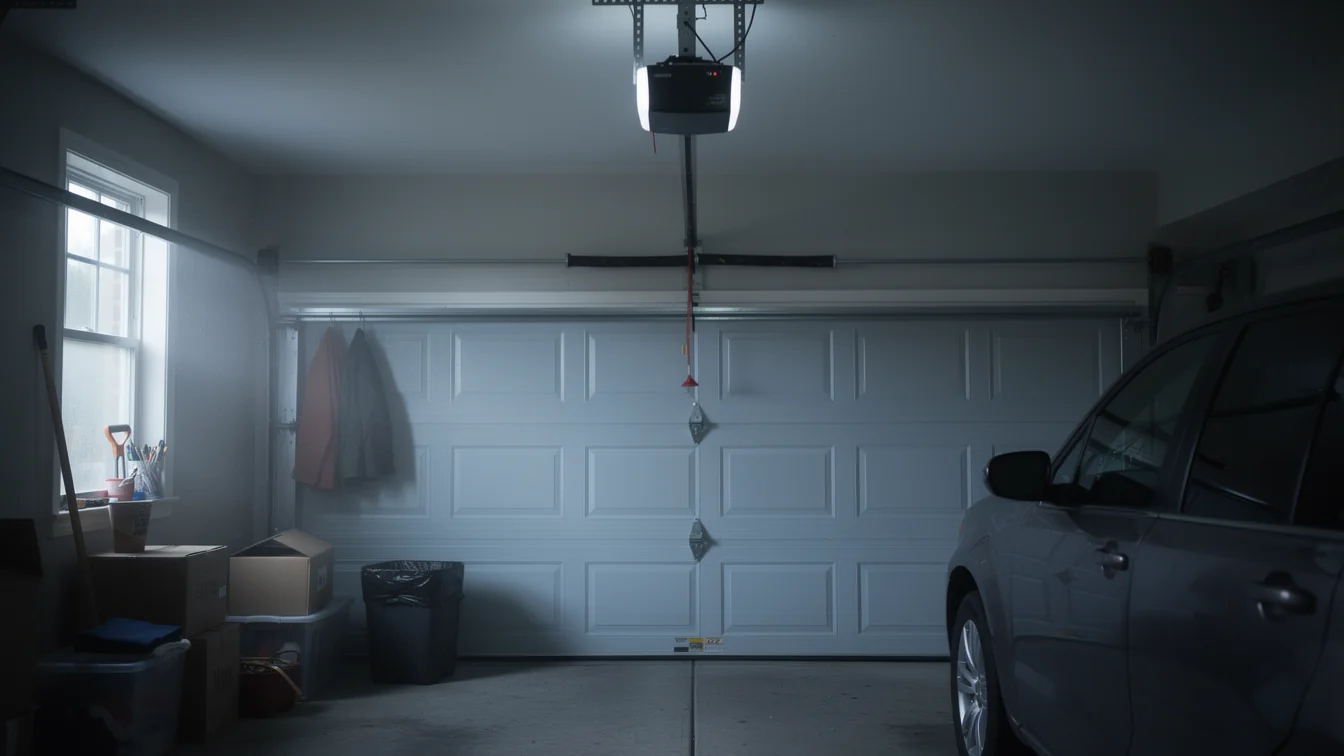
What Power Outages Do to Garage Door Openers Around Ellicott City
Ellicott City's 1960s-70s housing stock and severe cold winters put real strain on garage door openers during power cuts.
Read moreBlogEllicott City, MD · 5 min read
A breakdown of what a garage door service call actually covers in Ellicott City, where 1960s-70s stock and cold-severe winters wear differently than newer builds.
Local detail
Most of the housing stock in this part of the county went up between 1955 and 2014, with the median build year sitting around 1979. That matters because a service call here isn't one standard checklist - it's diagnosing which era of hardware you've got. A tech who shows up to a street near Dorsey's Search, just a couple miles south-southwest, might be looking at original torsion hardware from the late 60s. A call a few miles the other direction, toward Woodlawn or Catonsville, might land on a door that's seen two or three opener replacements since the 80s but still has the original track.
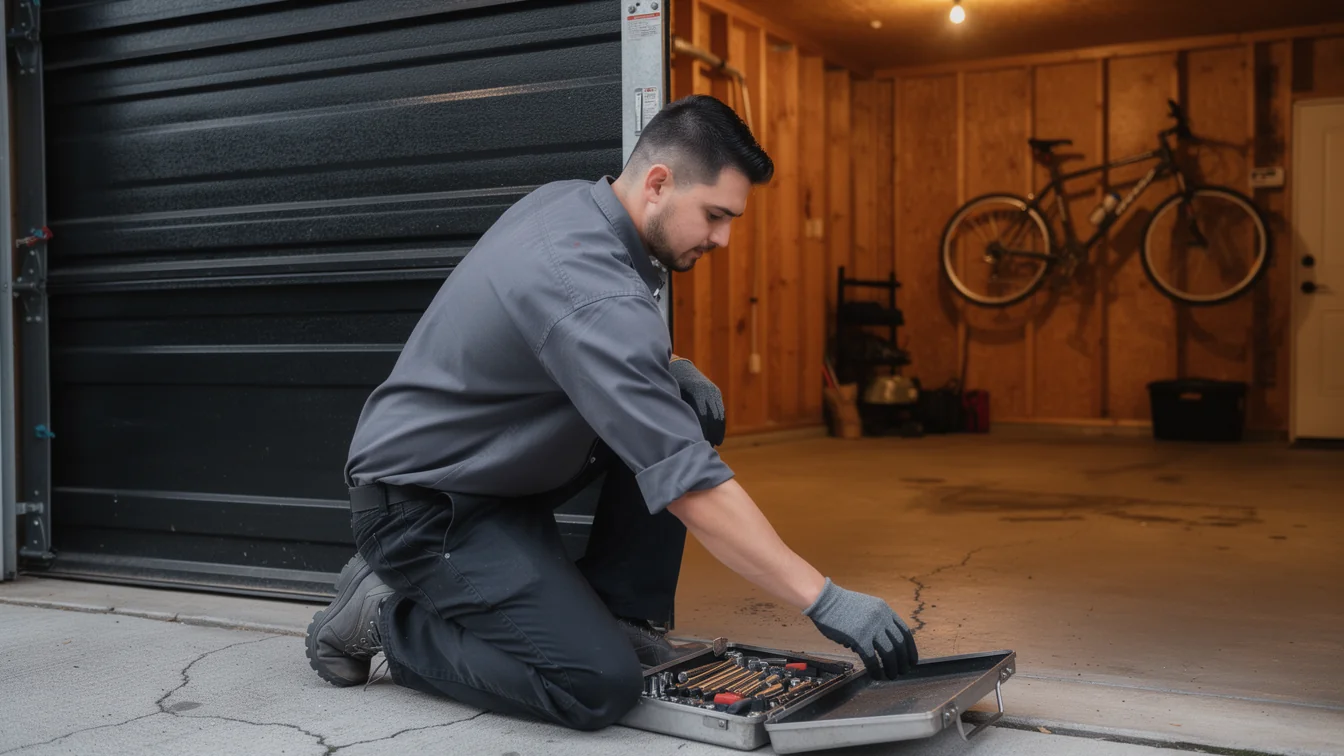
A real service call starts with pulling the spring size, checking the cable wind, and looking at the track alignment before anyone touches the opener. On a door from the 1960s-70s stock that's common across this area, that often means finding a spring that's been wound for a panel weight nobody makes anymore, or a track bracket that's rusted at the mounting bolt. The call covers inspection, lubrication of rollers and hinges, a check of the balance (does the door hold position at waist height with the opener disconnected), and tightening of loose hardware. It does not automatically include parts - those get quoted separately once we know what's actually failing.
We won't guess at a diagnosis over the phone. The only way to know what a specific door needs is to put eyes and hands on it.
The area
A lot of what goes wrong on a door built in the 1979 median window is maintenance any owner can handle: tightening a loose roller bracket, wiping down and lubricating hinges, vacuuming out the track. Where it stops being a DIY job is anything involving the torsion spring itself - the spring under tension that, if it's original to a house from this era, has had forty-plus years to fatigue past its rated cycle count. That's not a bolt you back out with a socket wrench. The spring is holding the full weight of the door, and a bar that's winding under that load can take a hand or worse.
The other line we draw is cable replacement on a door that's still operational. A frayed cable on a door that's still opening and closing looks like a small fix. It isn't - the cable is what's keeping the door from dropping free when the spring lets go, and swapping it means the door has to come off the track safely first.
If you're hearing a grinding sound from the opener, seeing a cable with visible fraying, or the door is off-balance and slamming the last foot of travel, that's the point to call rather than keep adjusting it yourself.
What we find
This area sits in a cold-severe climate band, and that does specific things to garage door hardware that a milder climate doesn't. Steel springs lose tension faster through repeated cold-to-warm cycling than they do from simple age - the metal contracts and expands every time the temperature swings, and over a winter that's dozens of cycles, not one. On a door that's already running an older spring from the 1960s-70s stock common here, that cycling is often what finally pushes a fatigued spring to the point of snapping, usually on the coldest morning of the stretch, because cold steel is less flexible right when the door is being asked to lift.
Track lubrication matters more here too. Grease that's fine in a 60-degree garage stiffens up in a cold spell, and a roller dragging through stiff grease puts extra strain on the opener's drive gear every single cycle. We see that show up as an opener that's straining or reversing partway up, not as a spring failure at all - it gets misdiagnosed as a spring problem when it's really a lubrication problem the cold exposed.
A service call in this climate band should always include a check of how the door is moving in cold start, not just whether it opens.
How we work
We don't have a flat number to quote here, because what a job costs depends entirely on what's actually wrong once we're looking at the door - spring size, opener age, whether the track needs realignment or replacement. What we can say is that the service call itself is separate from parts, and across a service area with median household income around $109,790 and well over 170,000 owner-occupied houses, we see a wide range of ages and conditions on any given street, so the quote is always door-specific.
One honest limitation: if a door is old enough that the opener, spring, and track all need attention at once, replacement is often the better math than three separate repairs stacked on top of each other. We'll tell you that straight rather than running up a repair bill on a door that's at the end of its service life. We'd rather lose the repair and have you call us again in five years than patch something that's going to fail again in six months.
Questions
The call covers inspection, balance check, lubrication, and tightening of existing hardware. If we find a broken spring, worn cable, or failing opener, that's quoted as a separate repair once we know the part and the fix - we don't bundle unknown parts into the call price.
Cold-severe winters put steel springs through repeated contraction and expansion cycles. A spring that's already fatigued from age - common on houses built in the 1960s-70s stock across this area - is more likely to finally give out on a cold morning than any other time of year.
Often it's stiff grease in the track from cold weather, not a spring problem. A dragging roller makes the opener's drive gear work harder every cycle. Worth a lubrication check before assuming you need a new spring or opener.
Yes. If the spring, opener, and track all need work at the same time on an older door, replacement usually costs less over time than stacking repairs. We'll say so directly rather than patching a door that's near the end of its life.
Recommendation
More garage door guides for Ellicott City homeowners.
Ellicott City's 1960s-70s housing stock and severe cold winters put real strain on garage door openers during power cuts.
Read more
In Ellicott City, houses mostly date to 1955-2014, median 1979; cold winters wear out old springs and openers.
Read more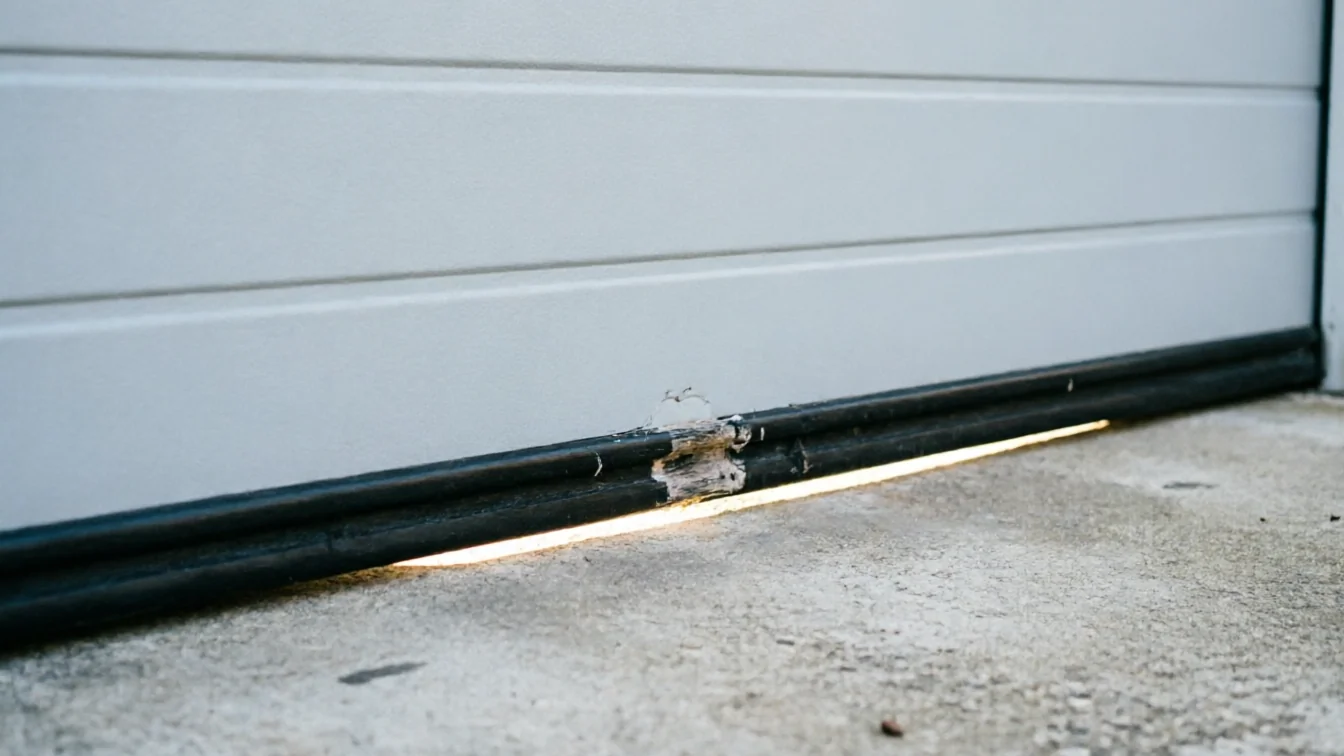
Ellicott City's 1960s-70s housing stock and cold winters mean worn weather seals let in real draughts.
Read moreReady when you are
Ellicott City Garage Door Pros repairs and installs garage doors, springs and openers in Ellicott City, MD and the surrounding area.