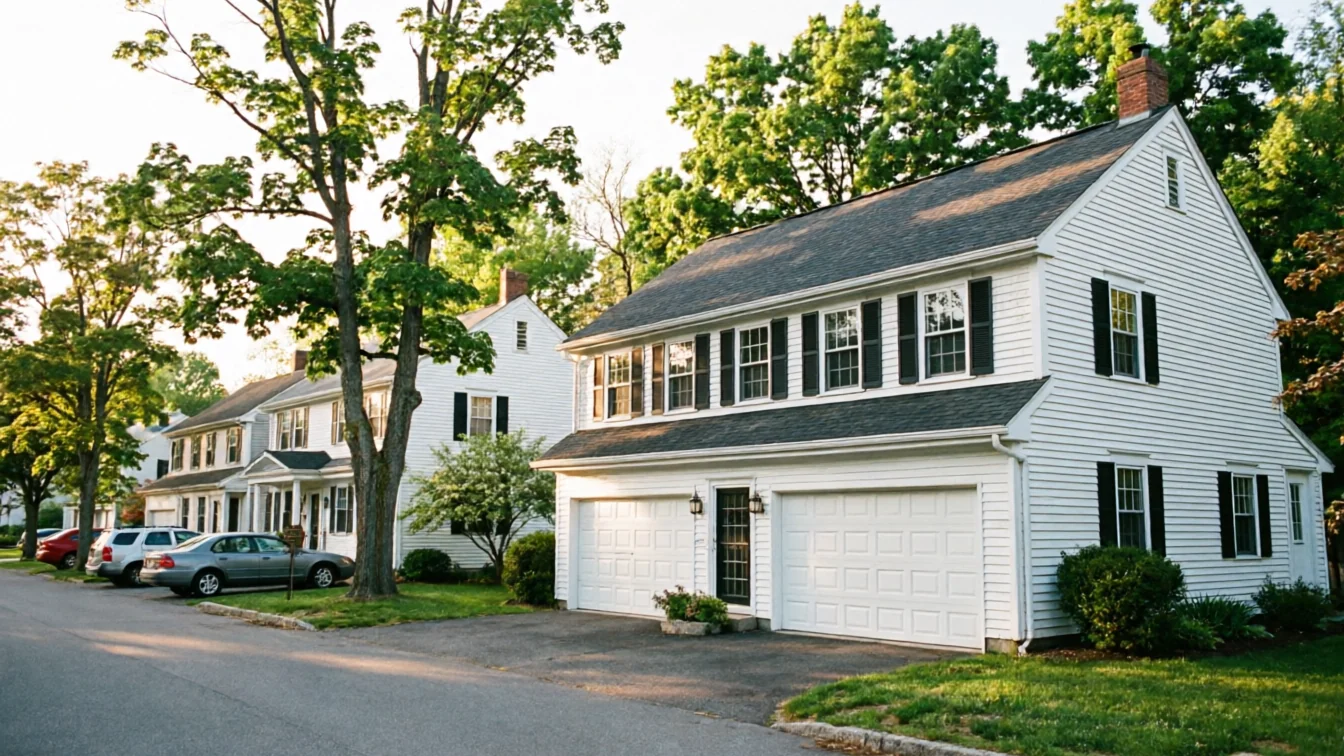
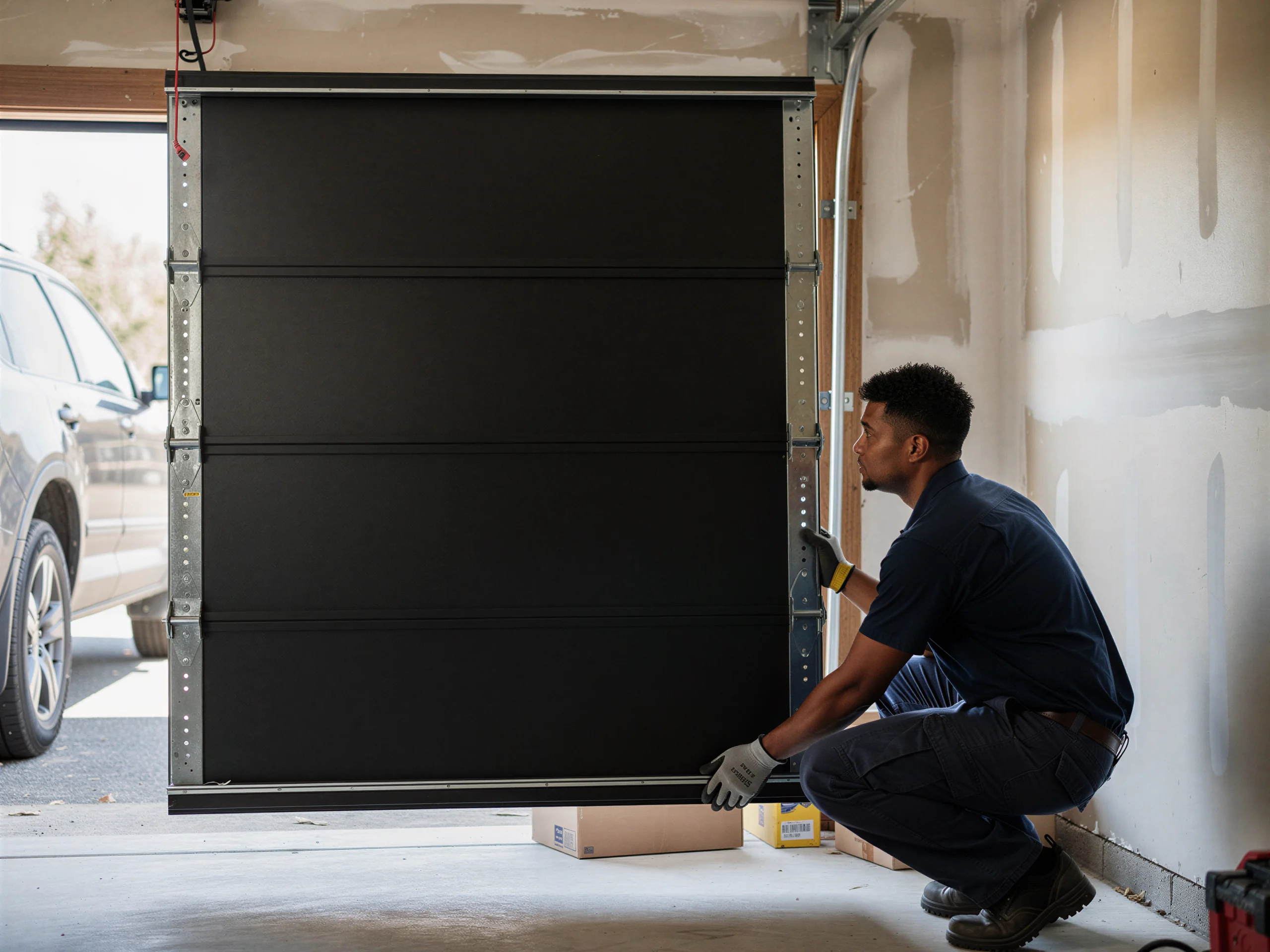
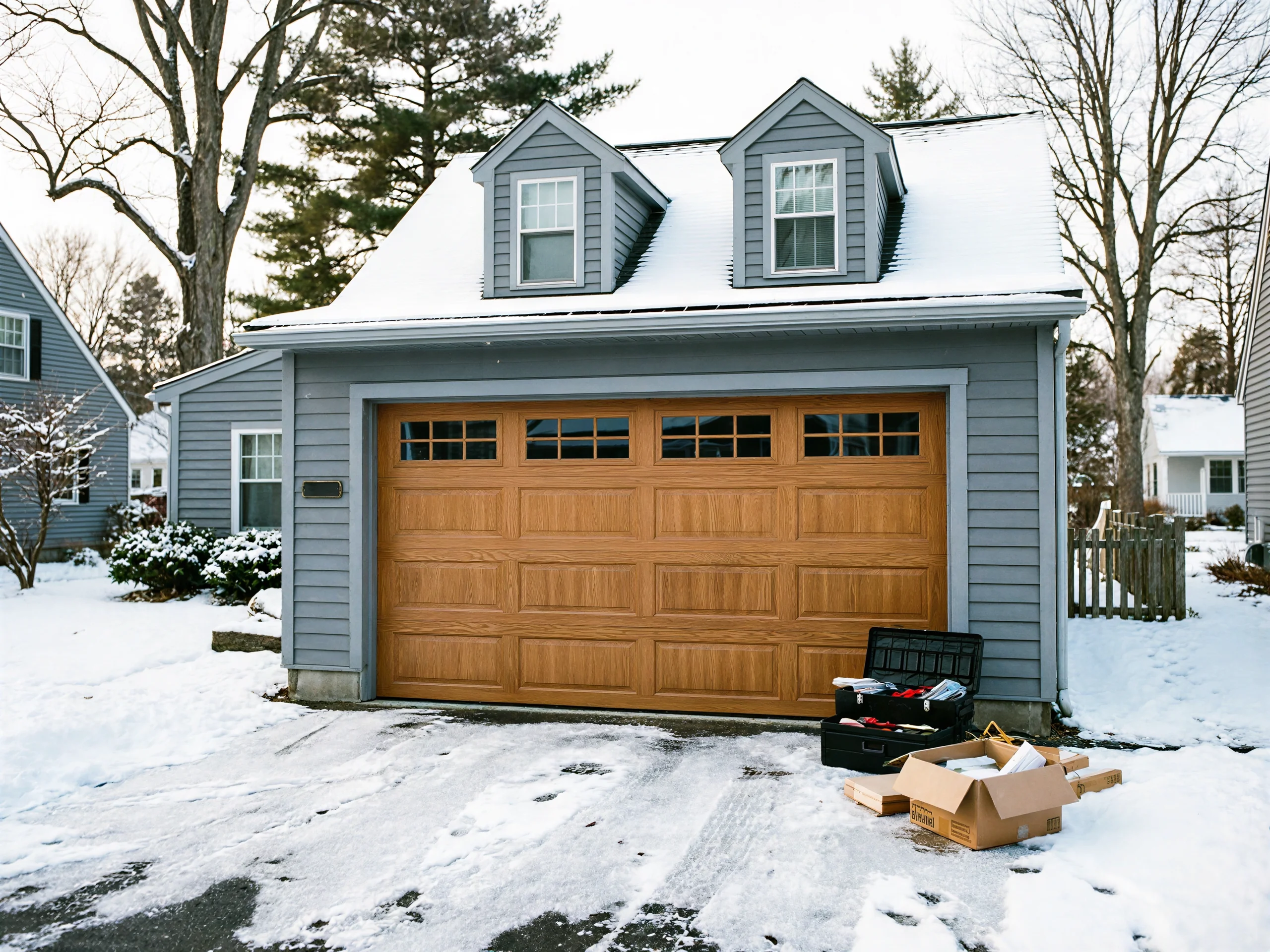
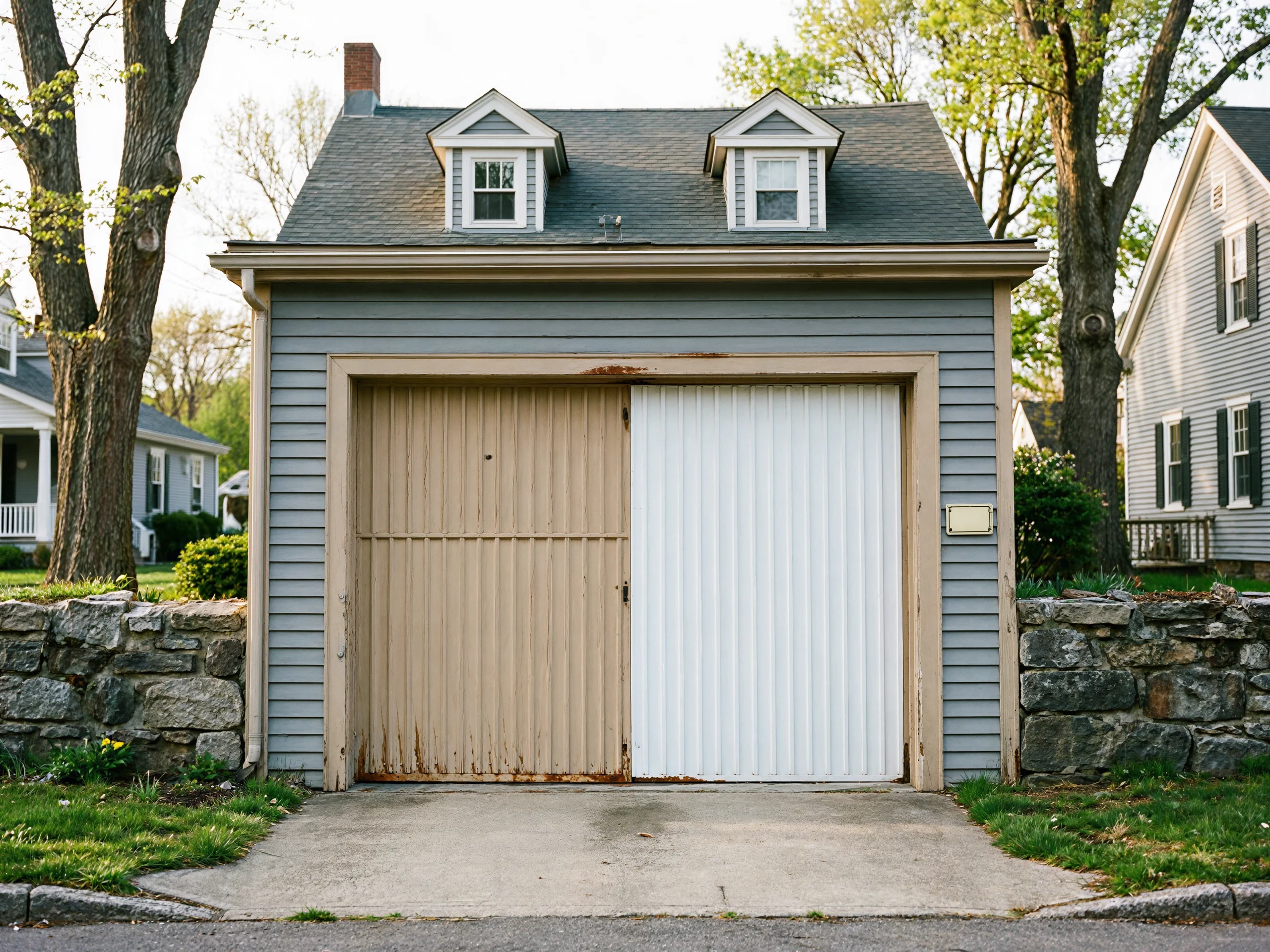
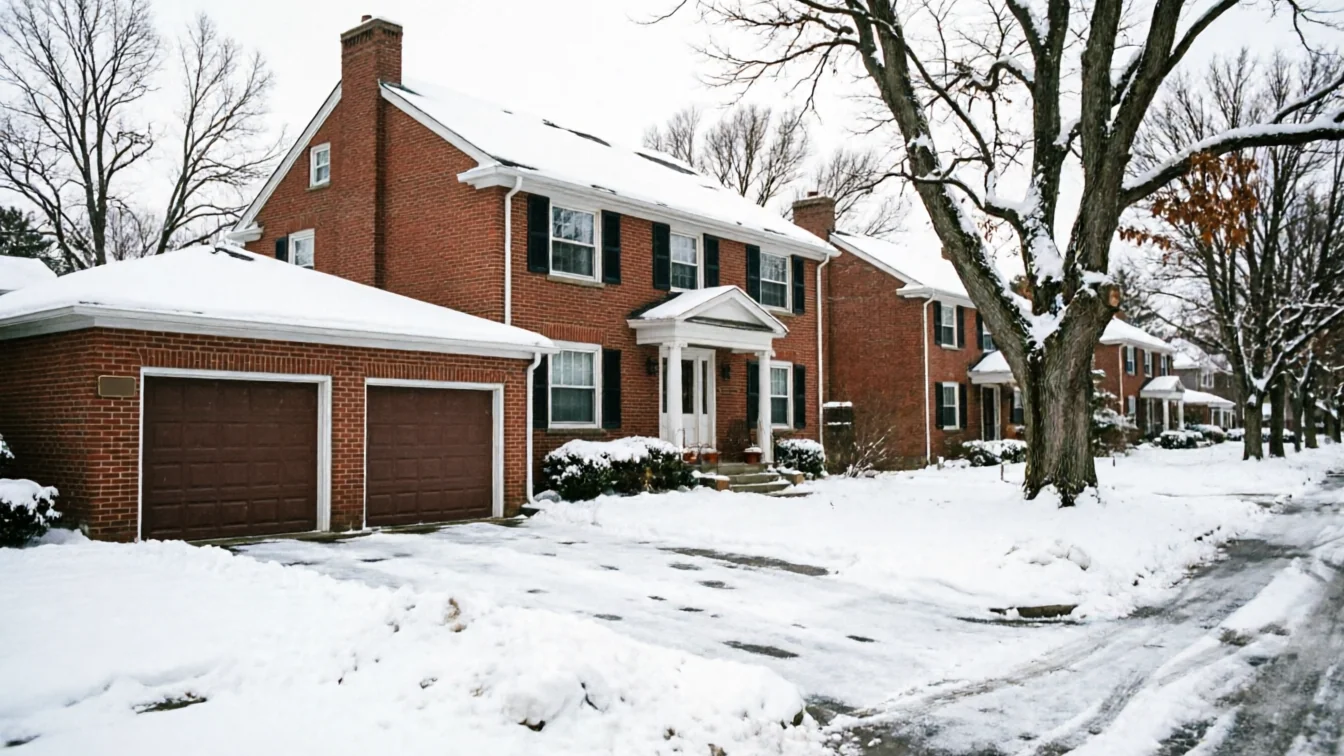
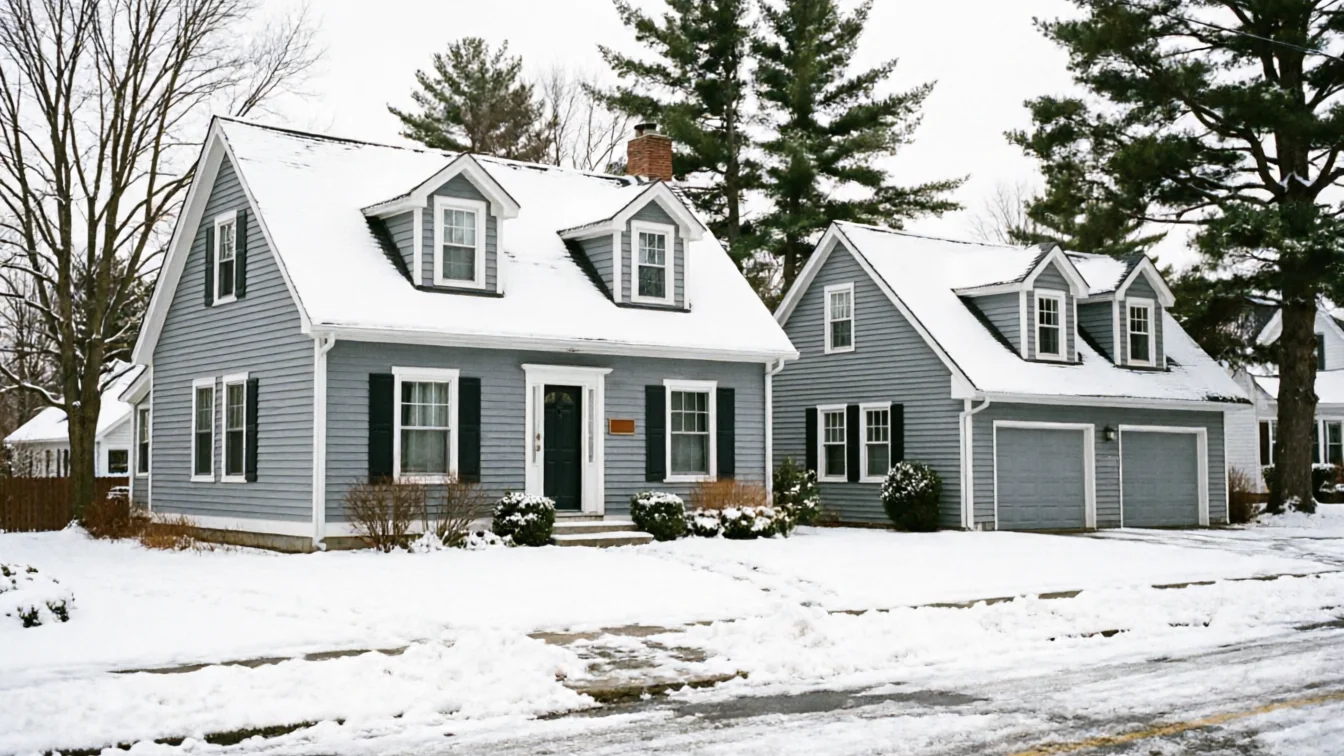
A house built in 1964 almost always has a garage opening sized for a single-car door - usually 8 or 9 feet wide - or a narrow two-car opening that newer construction doesn't use anymore. That matters when you're replacing a door rather than repairing one: off-the-shelf panels are made for modern openings, and a mid-60s opening sometimes needs a size that's less common on the shelf, which can add a few days to the order.
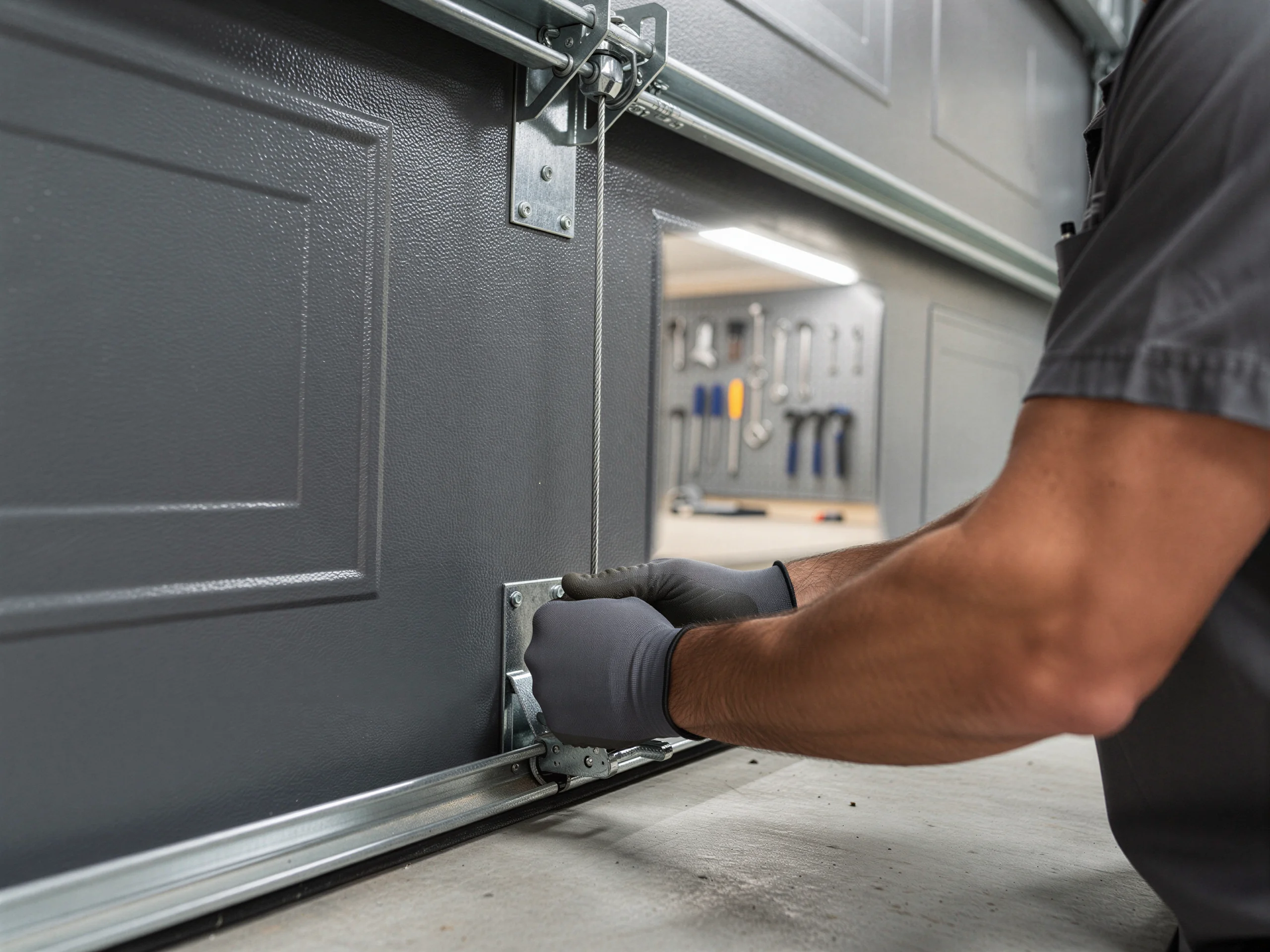
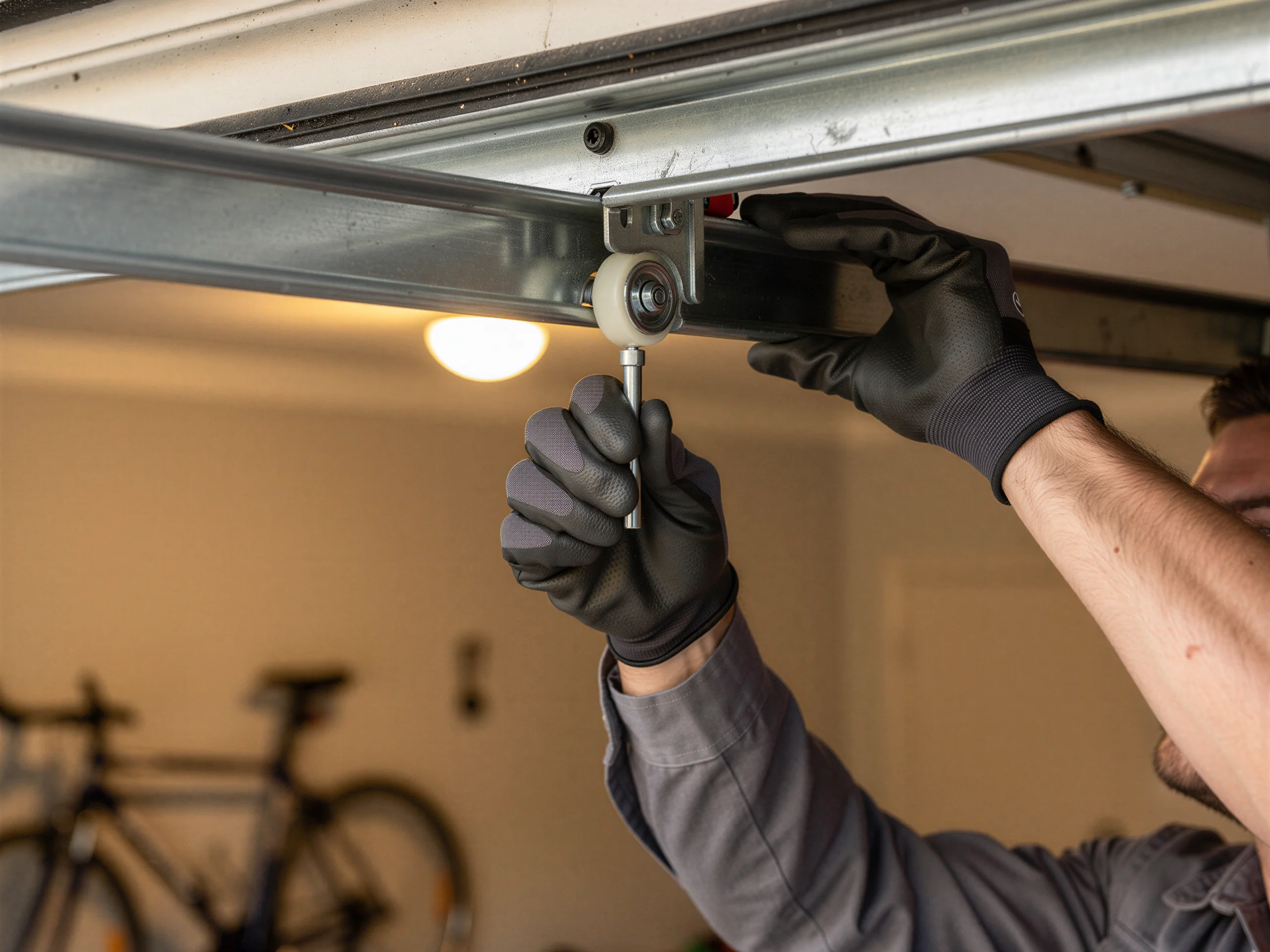
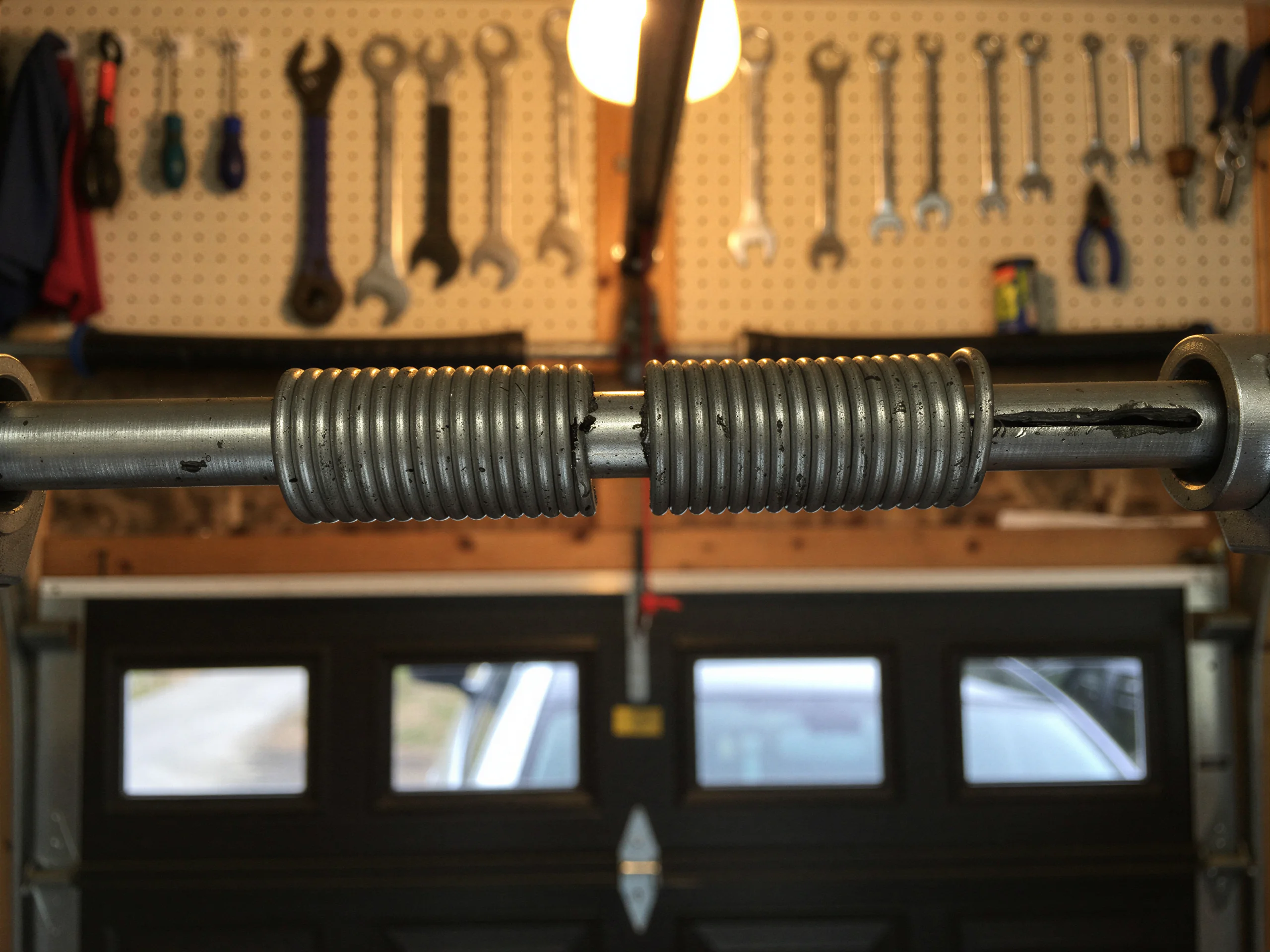
The broader service area's housing runs older too, with a median build year around 1979, but Catonsville's own stock sits noticeably ahead of that, closer to the mid-60s wave of ranch and split-level construction that filled in this stretch before the area's newer pockets went up. That decade-plus gap shows up in the hardware: side-mounted torsion springs instead of the center-mount setups you see on later builds, and lighter steel tracks that weren't built to carry today's heavier insulated doors without some reinforcement.
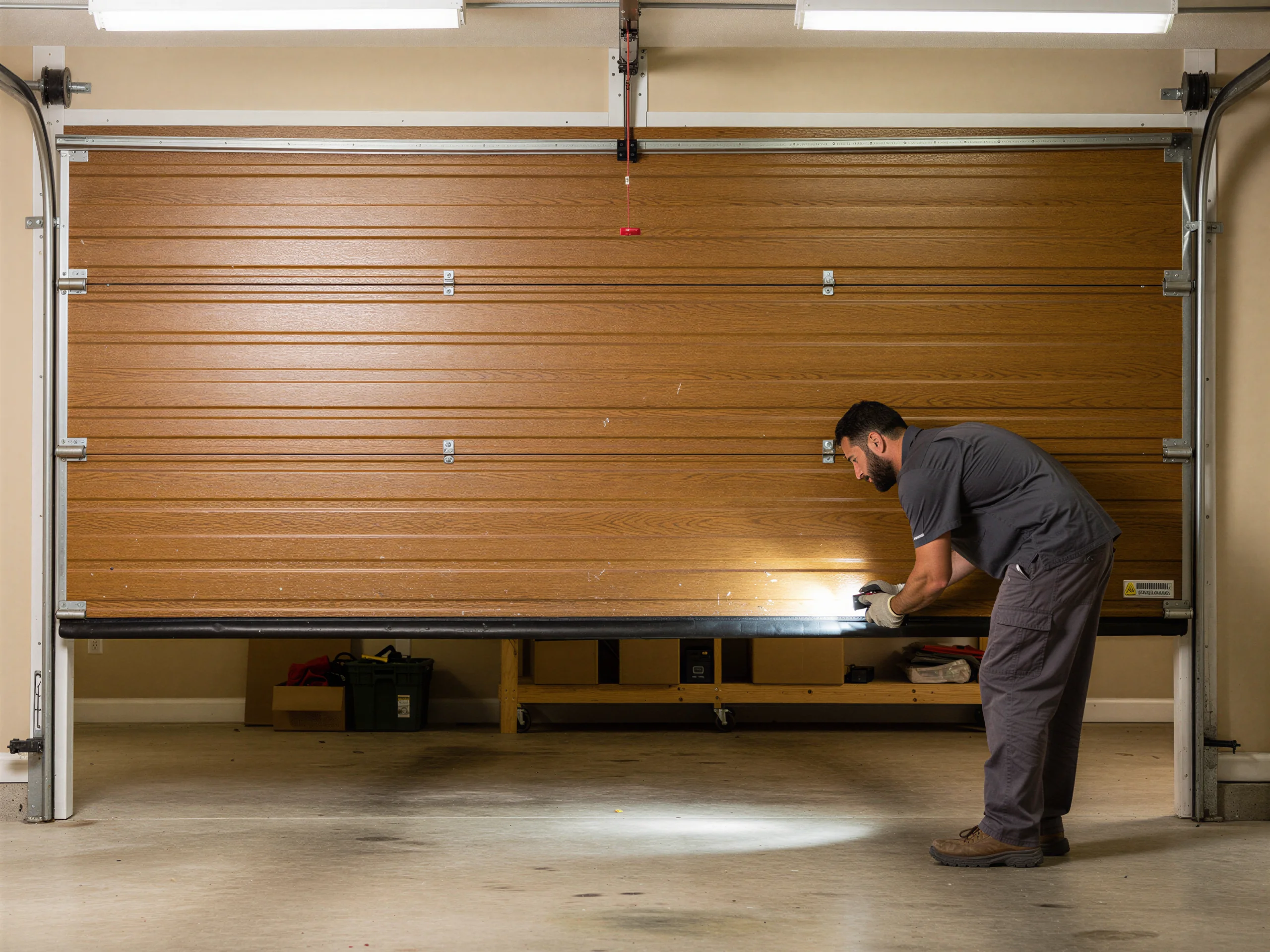
If your door is original to the house, we'll check the spring size against the door weight before we touch anything else. Mismatched spring tension is the most common reason an older door here feels wrong before it actually fails.