How It Shows Up
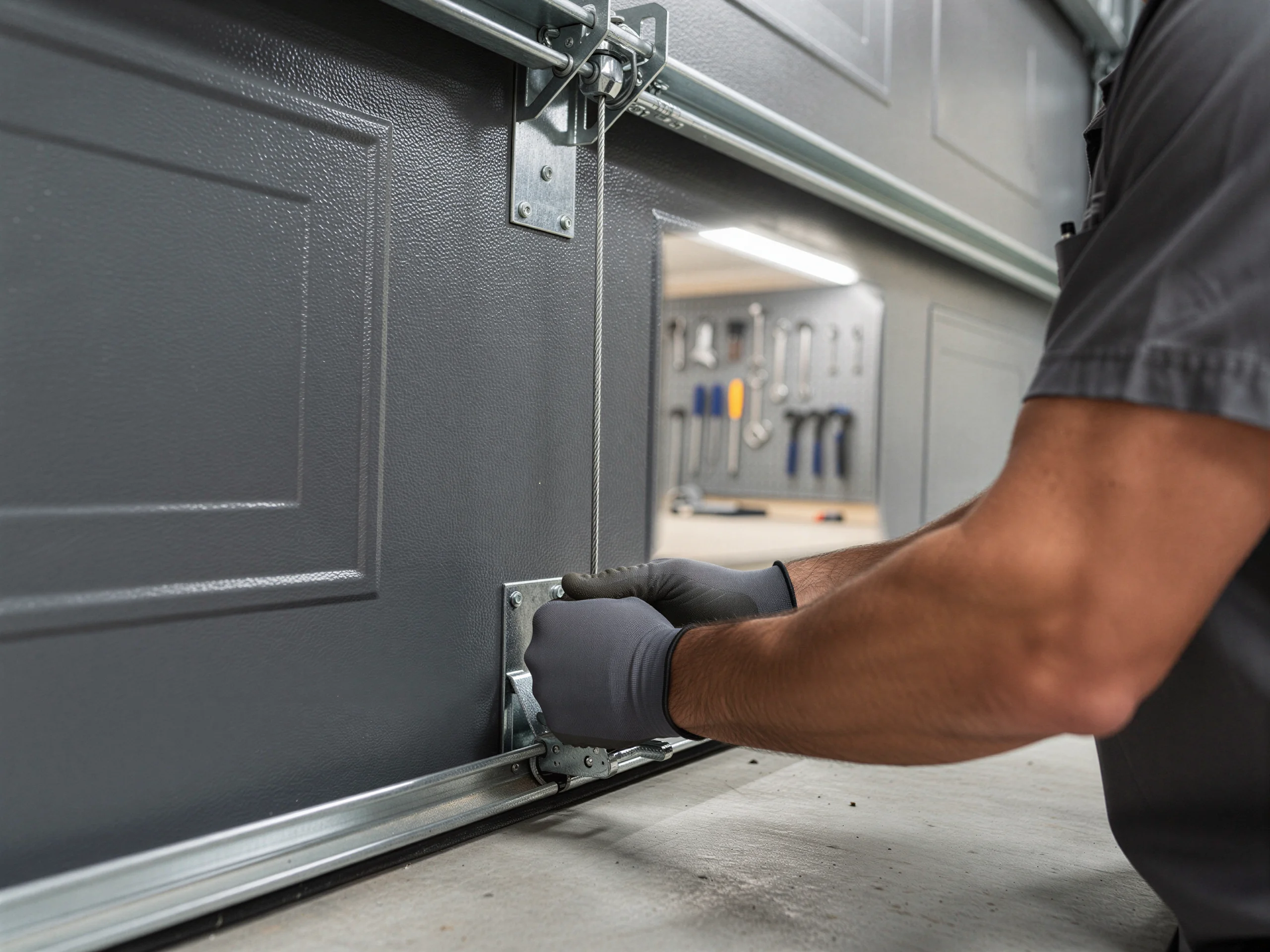
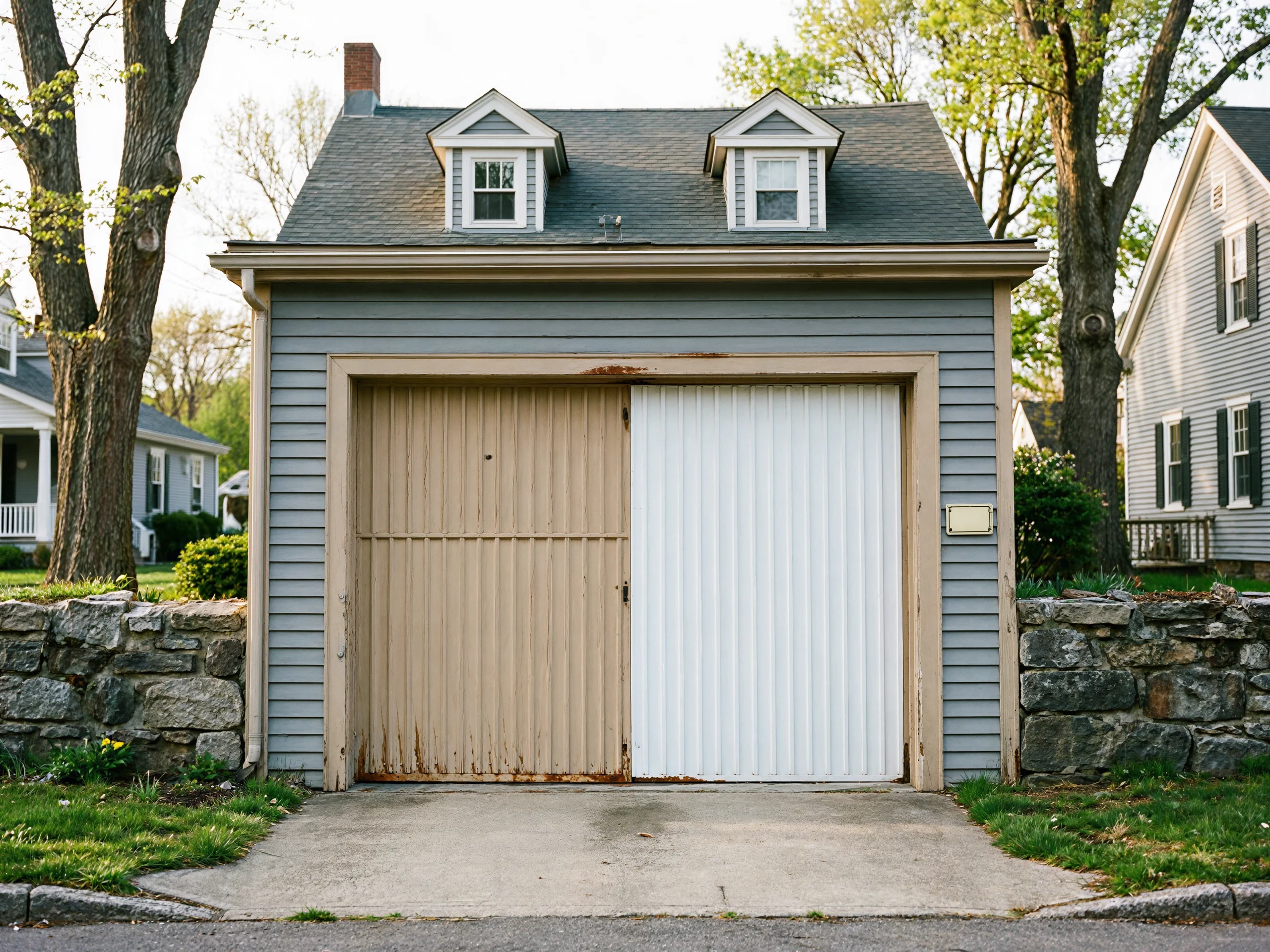
In Pikesville, the call usually starts the same way: a door that used to roll up smooth now jerks, bangs, or stalls halfway. With a median build year of 1974 for houses in this part of the service area, a lot of what we find isn't a modern torsion setup - it's an older extension-spring system mounted along the horizontal track, sometimes with the original pulley and cable arrangement still in place.
Uneven drop from sagging springs
Those springs stretch and sag over decades, and when one goes, the door drops unevenly or won't lift at all. The second most common fault is the opener itself.
Newer openers on old hardware
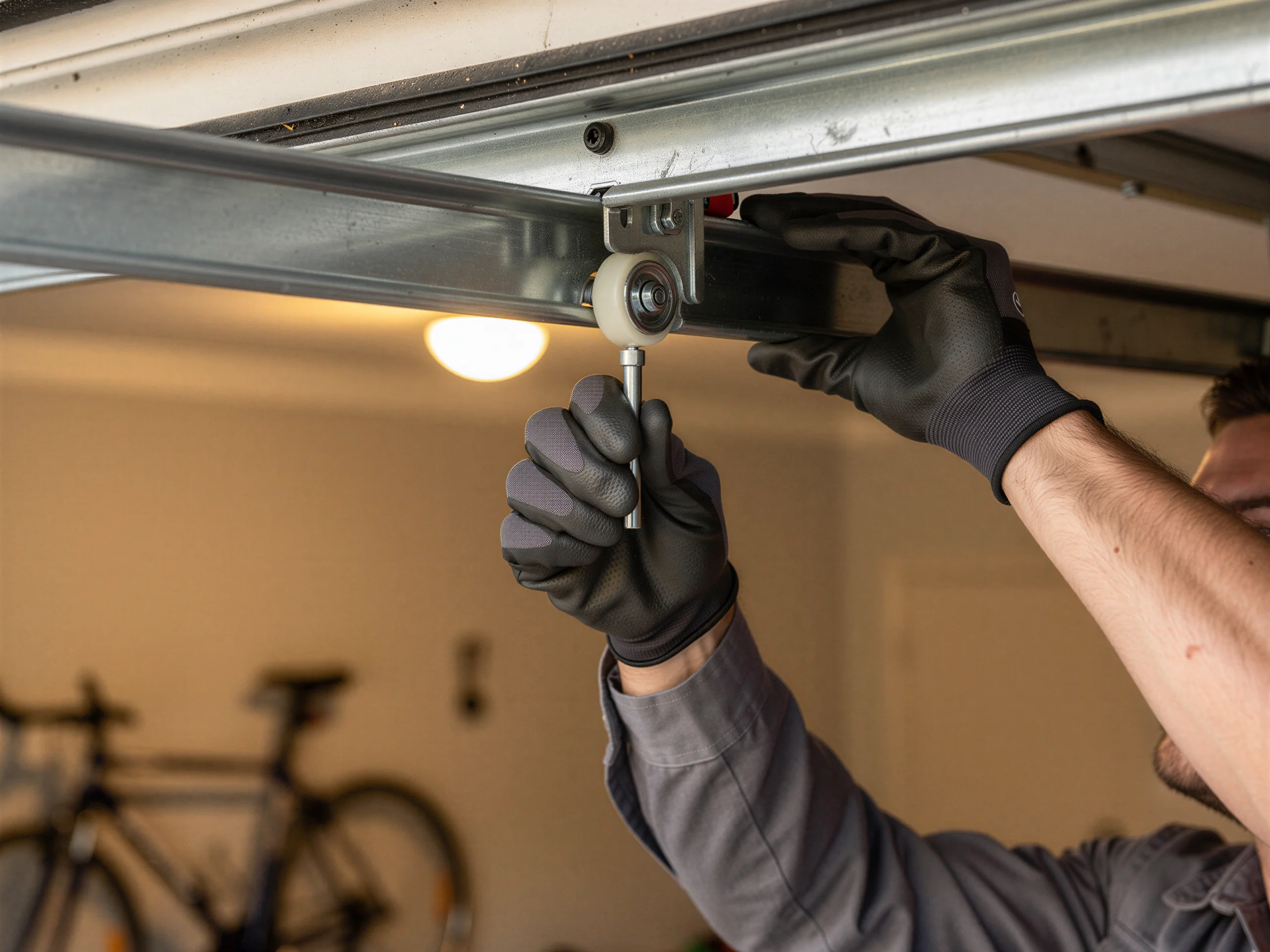
A door built in the early-to-mid 1970s has usually had at least one opener swap already, and the newer unit is frequently paired with hardware that's forty-plus years older than it - gears grinding against a track that's slightly bent, rollers worn oval instead of round.
Pikesville age window
We see this pattern across the 1960s-70s housing stock that makes up most of the wider area, but Pikesville's own numbers put it squarely in that window rather than the newer end.
Doing It Yourself
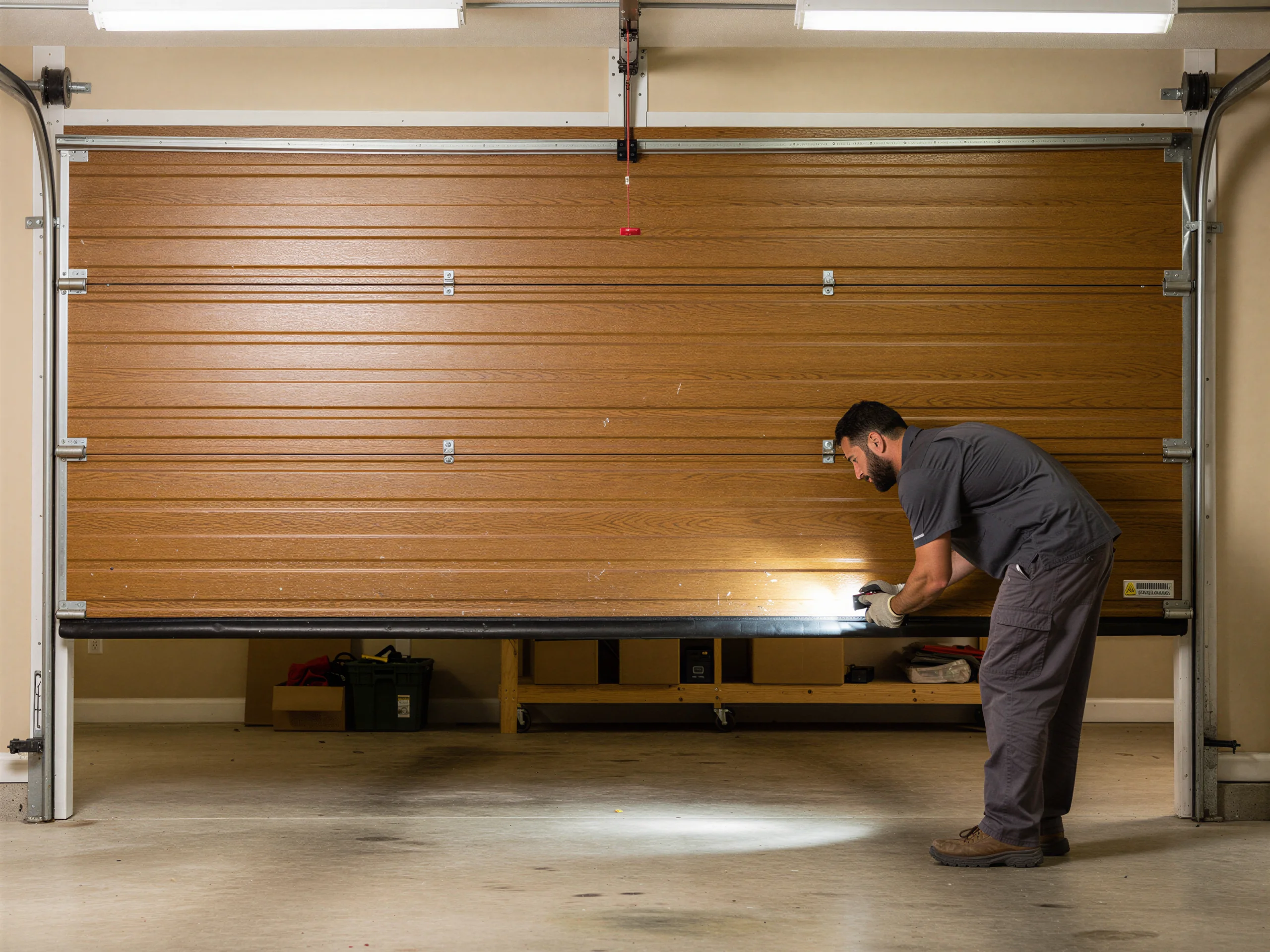
Some of this is fair to tackle on your own. Lubricating hinges and rollers, tightening loose bolts on the track brackets, swapping a worn weatherstrip along the bottom panel - all reasonable weekend jobs if you're comfortable on a ladder.
Extension spring whip hazard
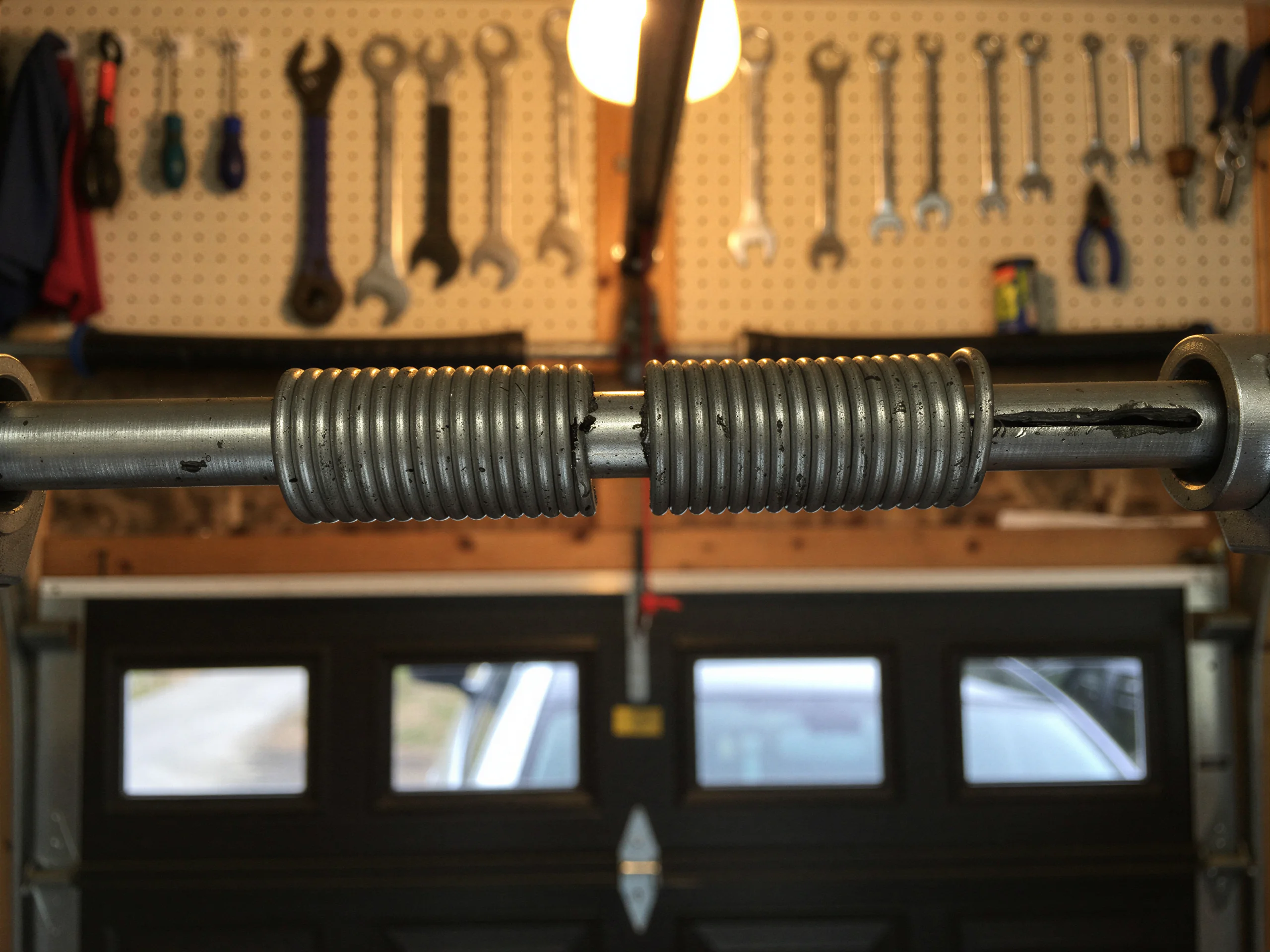
What isn't reasonable: touching the springs. An extension spring under tension can whip hard enough to break a finger or worse, and on a door this old, you often can't tell by looking whether the spring is near failure or already cracked internally.
Frayed cables mean stop
Same goes for the cables - frayed strands on a line that's been running since the Carter administration aren't a DIY repair, they're a reason to stop using the door until someone looks at it.
Manual release cord check
If the opener is cycling but the door won't move, check the manual release cord hasn't been pulled accidentally before you call anyone - that one's free to fix yourself.
The Cost of This Job
We don't publish flat prices here because the fix depends entirely on what's failed and what's underneath it - a spring swap on a door with intact original hardware is a different job than one where the track, rollers, and cables all need replacing at once because they're the same age and wearing out together. What we can tell you is that houses in this part of the service area, with a median income around $97,218, tend to ask for the repair that extends the door's working life rather than an automatic full replacement, and that's usually the right call unless the panel itself is damaged or the track is bent beyond adjustment.
Time on the Job
Most spring and cable repairs on a door this age run under two hours once we're on site, assuming the hardware underneath hasn't seized or rusted enough to need extra work freeing it up.
Original wiring and wall buttons
Opener swaps take longer if the existing wiring or wall button is original to the house, since that often needs replacing too rather than just the motor unit.
Quoted time covers work
We travel the 11 miles from Ellicott City for these calls, so the time quoted is work time at your house, not a promise about how fast we can get there.
The Complications
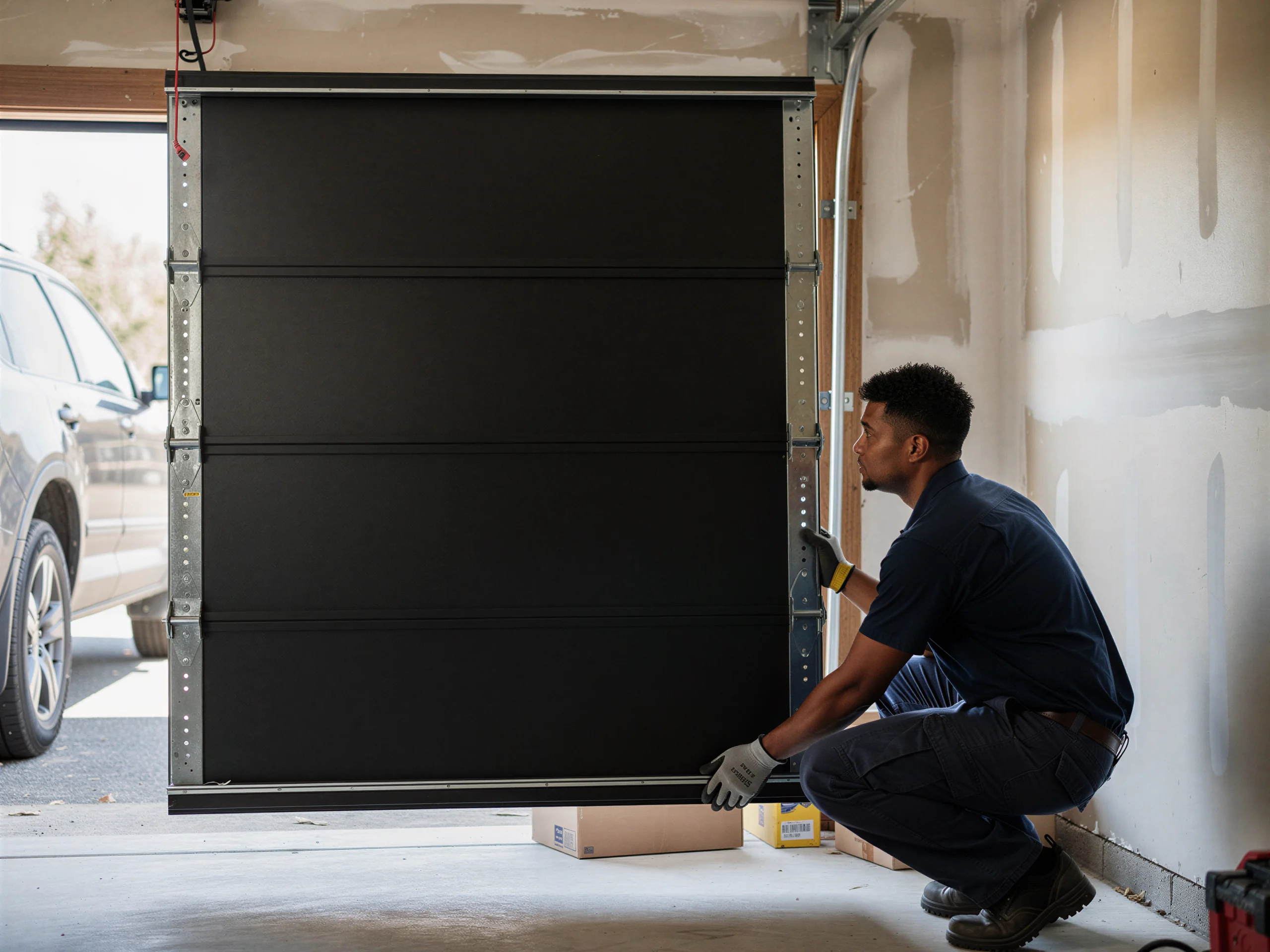
The complication we run into most in Pikesville is mismatched generations of hardware - an opener from one decade bolted to a track and spring system from another, each wearing differently, so fixing the obvious problem reveals a second one underneath. On a door built when the house went up in the early-to-mid 1970s, we sometimes also find the track is sized for a door that's since been replaced with a slightly different panel, which throws off alignment in ways that aren't visible until the door's moving.
We'll be honest about the limitation here: if the frame around the opening has shifted or settled over fifty years, no amount of hardware repair fixes a door that's fighting a crooked opening. At that point replacement, not repair, is the honest answer, and we'll say so rather than keep adjusting a door that's going to keep binding.
Why It Happens Here
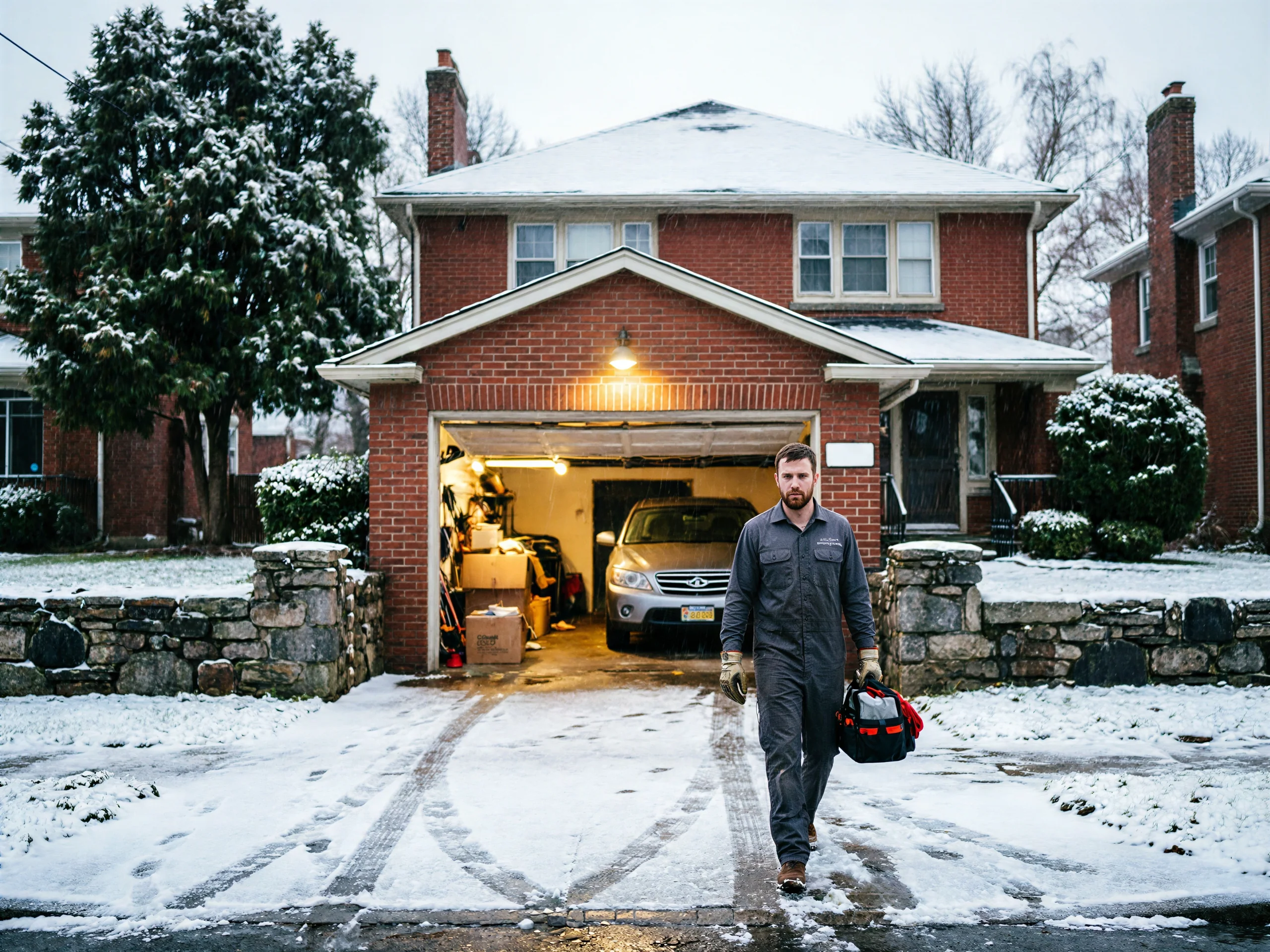
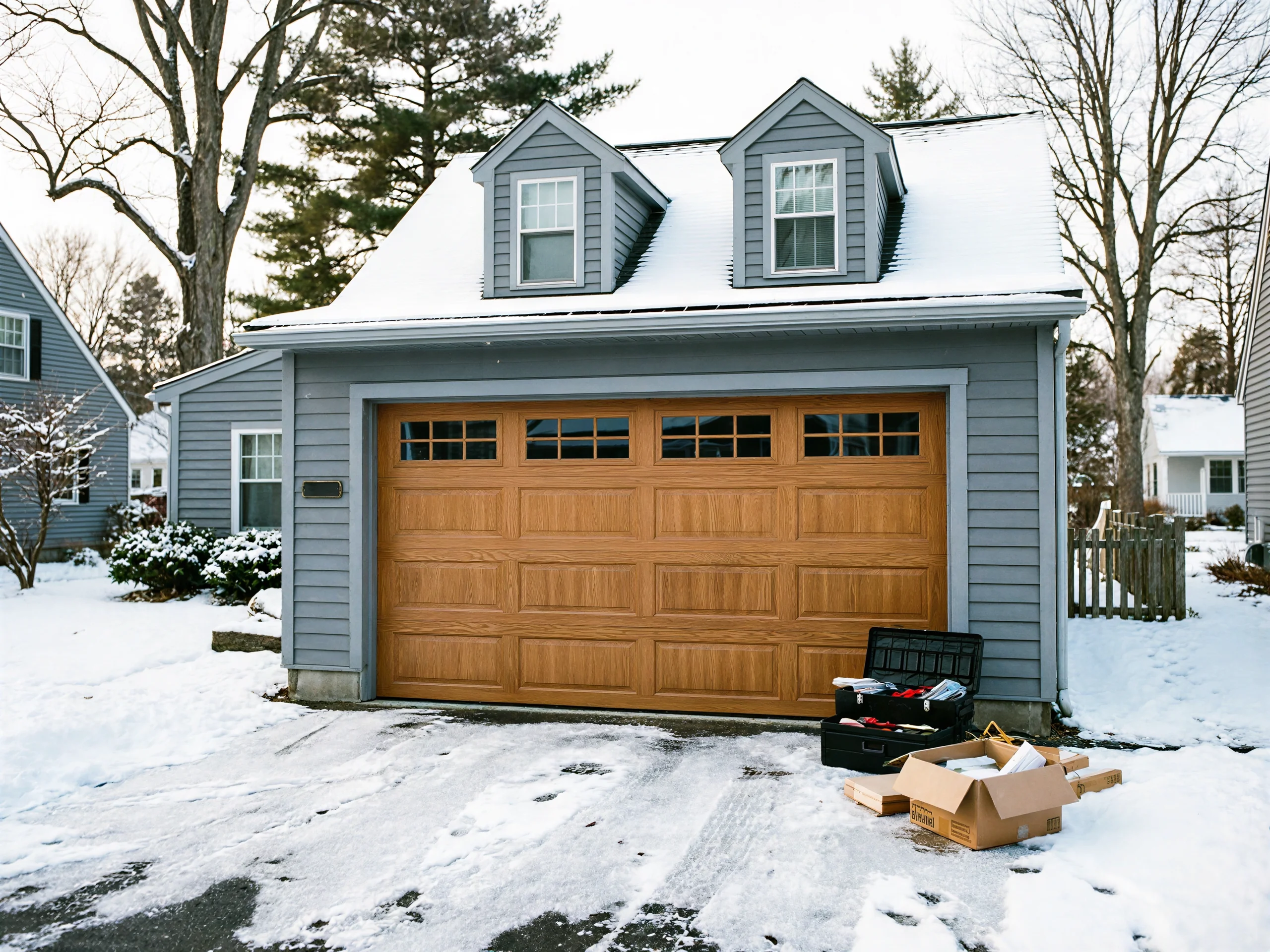
This part of the service area sits in a COLD severe climate band, and that matters more on a door built in 1974 than on a newer one. Cold tightens metal, and an extension spring or cable that's already decades old has less give left in it before it snaps rather than stretches. Combine that with roughly 13,620 households in this part of the area, many in homes from that same build era, and you get a fairly predictable cluster of failures each winter: springs that let go on the first hard freeze, openers that strain against stiffened hardware, and tracks that were never quite plumb to begin with finally showing it.
Talk to a local pro
Garage door service in Ellicott City?
Same-day service with honest, upfront quotes.