Time on the Job
Most of the roller calls we get out of Lochearn aren't about a door that won't open - they're about a door that sounds like it's dragging a chain.
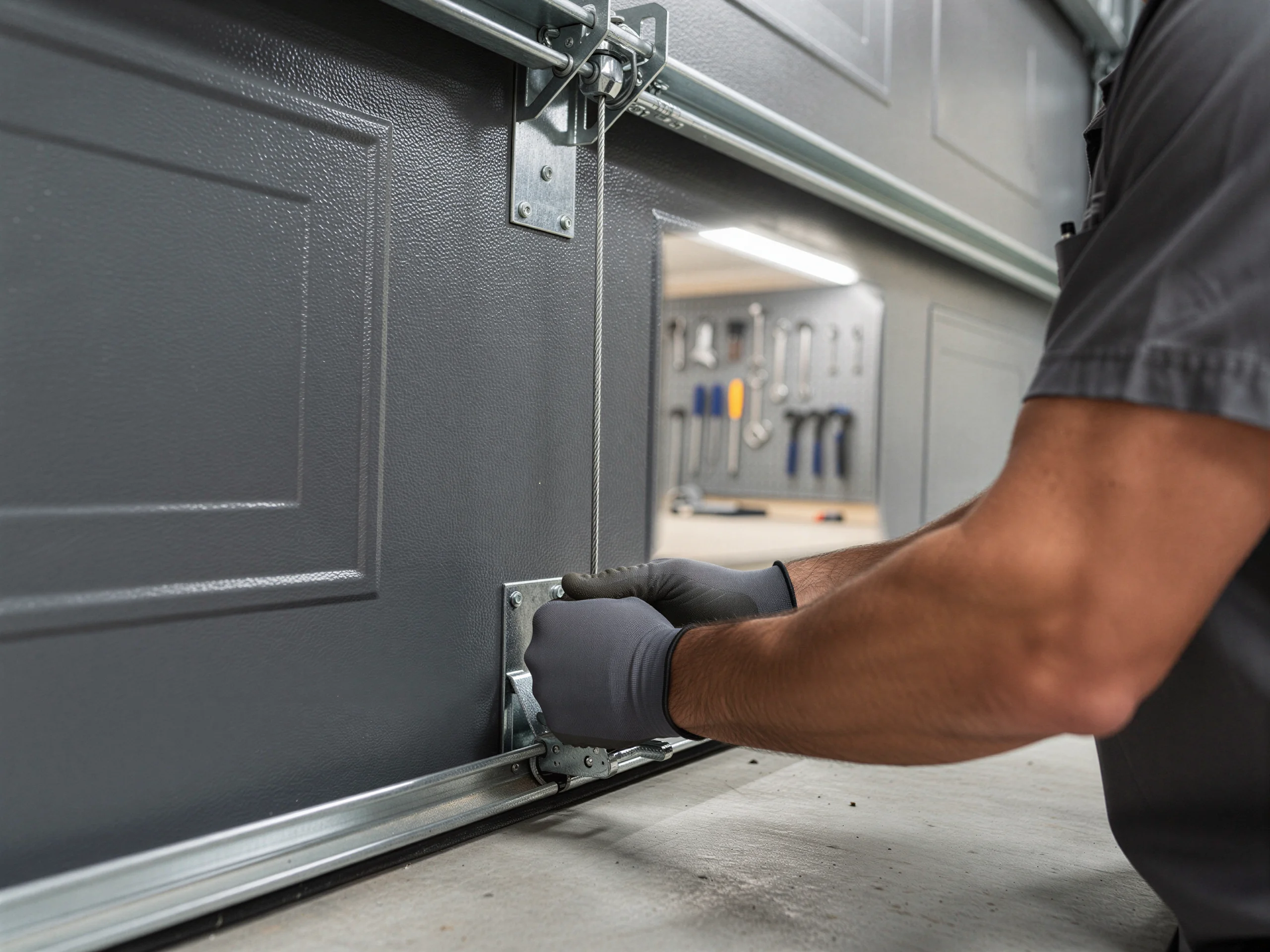
Out-of-round roller wheels
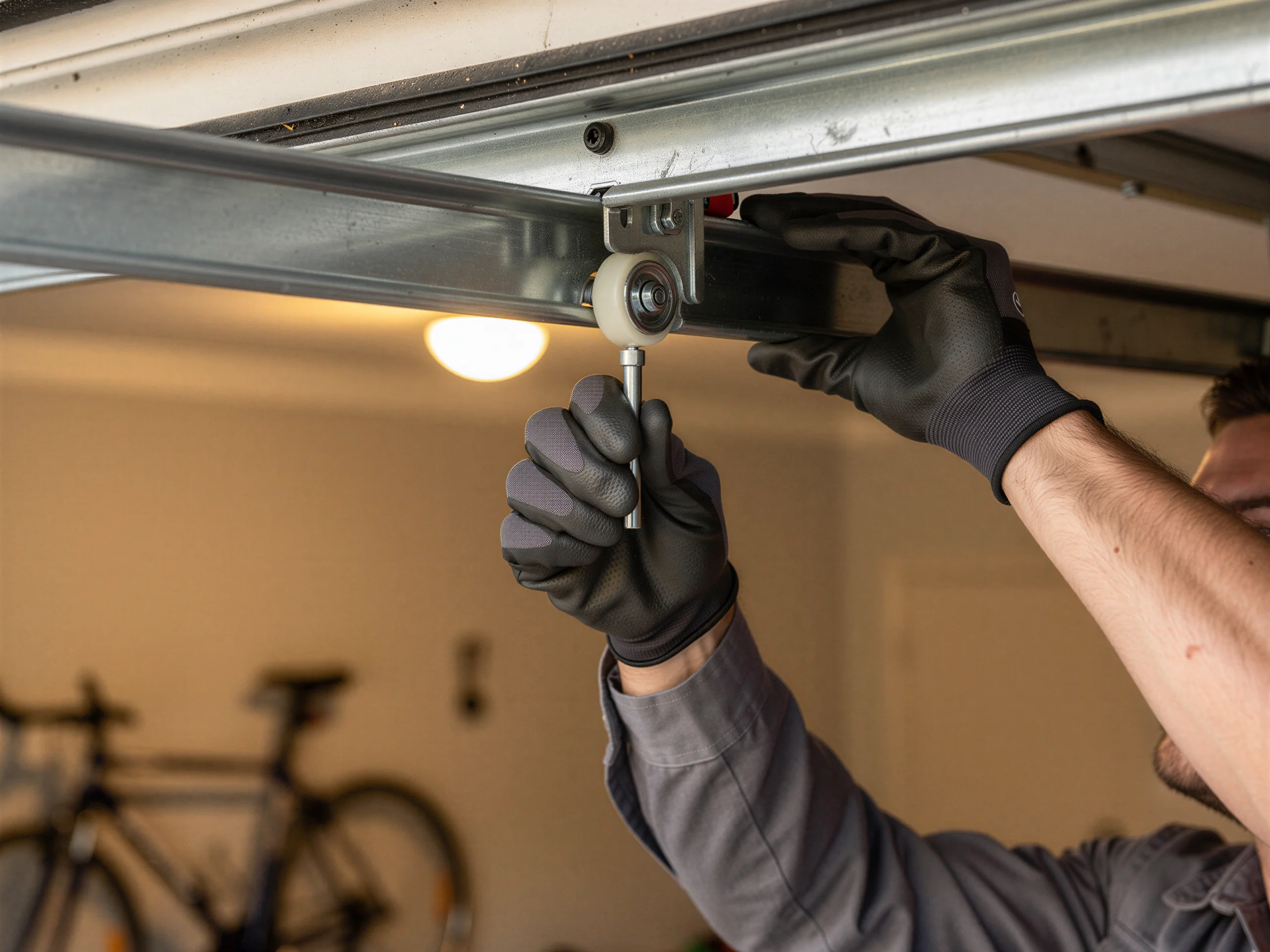
That grinding, that hop at the bottom of the track right before the door seats, is almost always a roller stem worn thin or a roller wheel that's gone out-of-round. On a house built when Lochearn was going up, the fix usually isn't a quick swap of one wheel.
Track groove hunting
The track itself has often worn a groove to match the bad roller, so you replace the roller and then fight a door that still hunts left and right until you true up the track alongside it. Lochearn's housing stock centers on 1963, which puts most of these garages square in the era of steel rollers riding directly in galvanized track with little nylon or ball-bearing cushioning.
Replacing the full set
That hardware wasn't built for fifty-plus years of twice-daily cycles, and a lot of it is still running on the original rollers because nobody thought to ask. We go through the full set, not just the noisy one - if one roller's shot, the others on that track are close behind.
The Complications
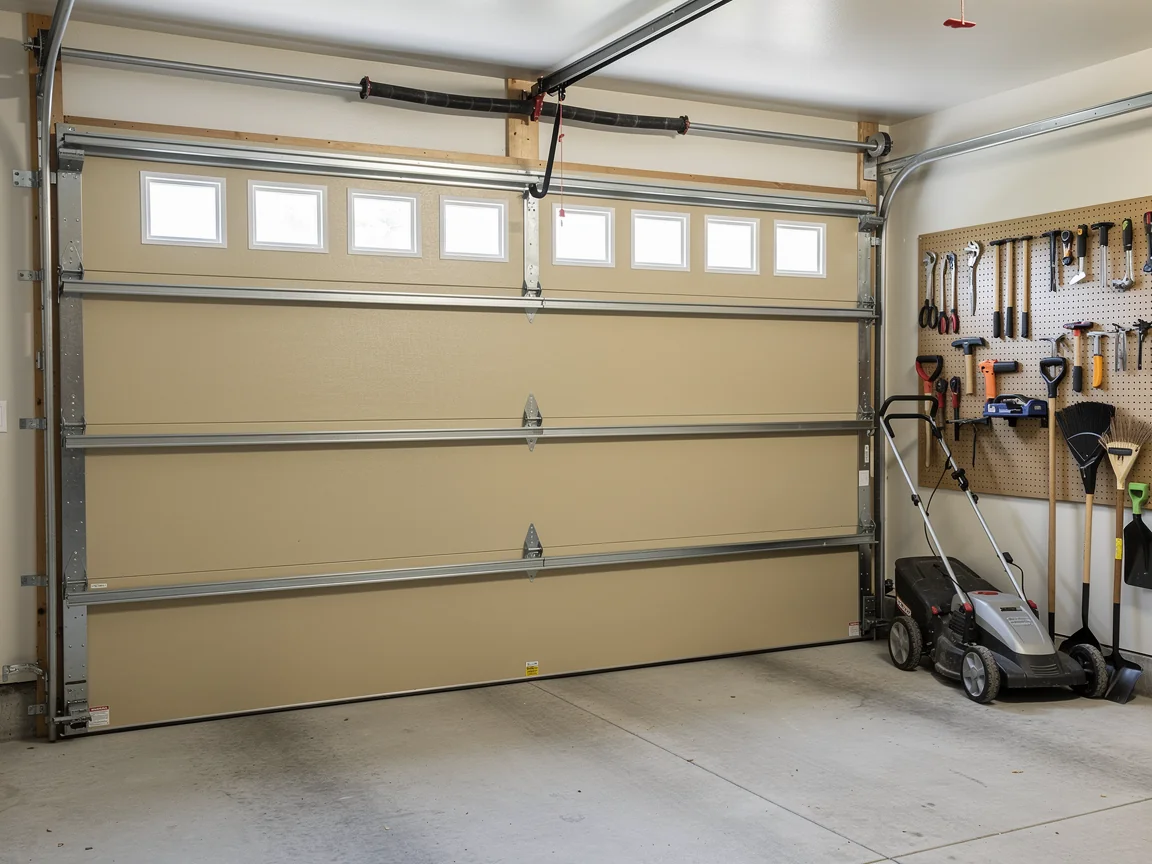
The complication on a house this age usually isn't the roller - it's what the roller is bolted to. Track brackets on 1960s builds were often fastened directly to door framing that's shifted a little over six decades, so a straight track swap can turn into shimming out a bracket or re-anchoring a jamb bracket that's worked loose. We also run into stems that have rusted into the hinge they're seated in, which means a wheel you can't just pull - it has to be cut and driven.
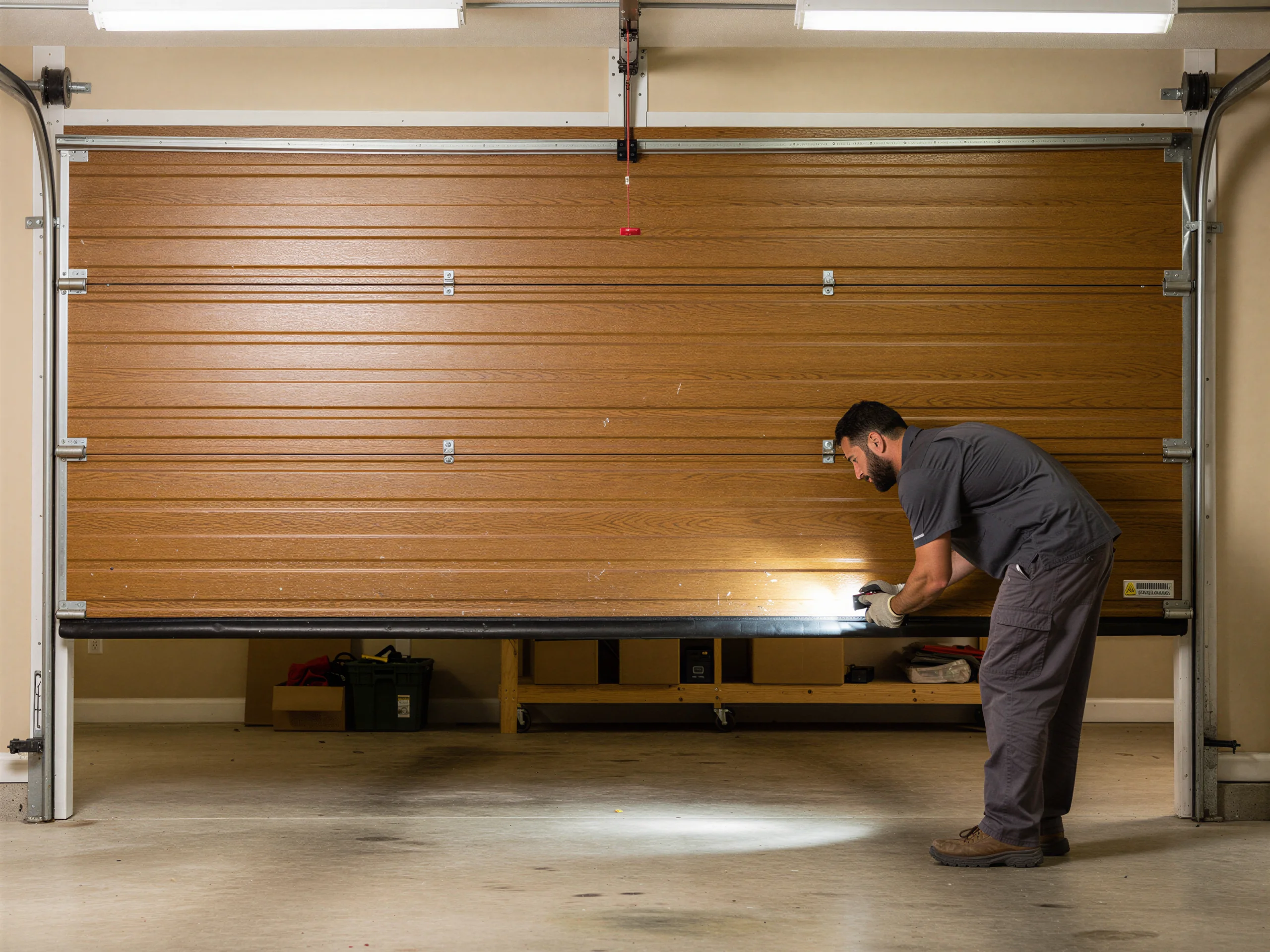
The honest limitation: if the track itself is bent or badly worn from running on bad rollers for years, new rollers alone won't quiet the door down. At that point we'll tell you straight that you're looking at track replacement too, not just rollers, because putting new wheels in an out-of-true track just wears the new set out faster.
Parts We Carry
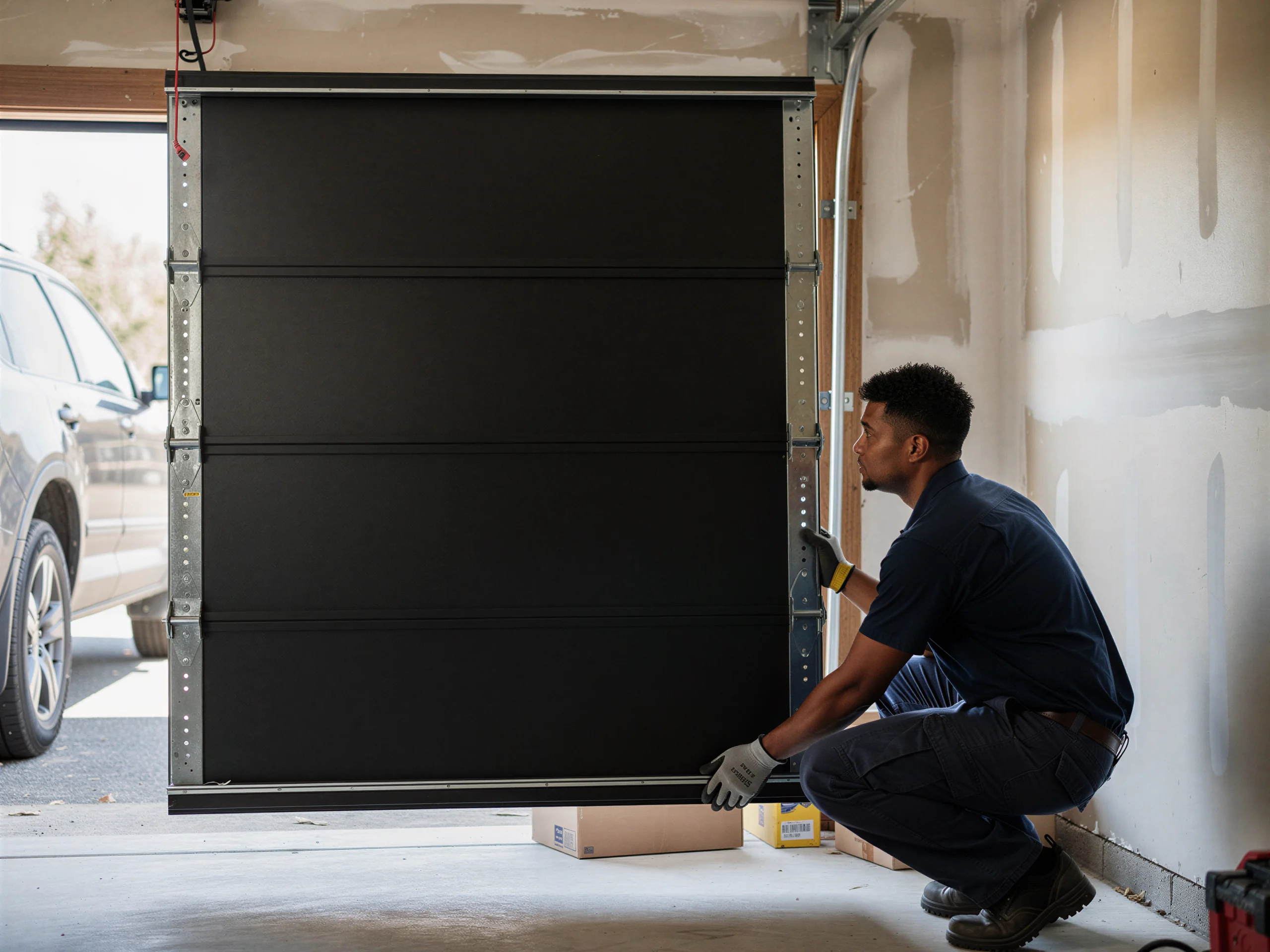
We carry nylon rollers with sealed bearings as our standard replacement for the steel wheels that came stock on doors from Lochearn's era - quieter, and they don't wear the track the way steel-on-steel does.
Longer-stem rollers stocked
We also stock the longer-stem versions that fit the deeper jamb brackets common on houses from the early 1960s, since a short-stem roller from a newer kit won't seat right in that older hardware.
Truck loaded with rollers
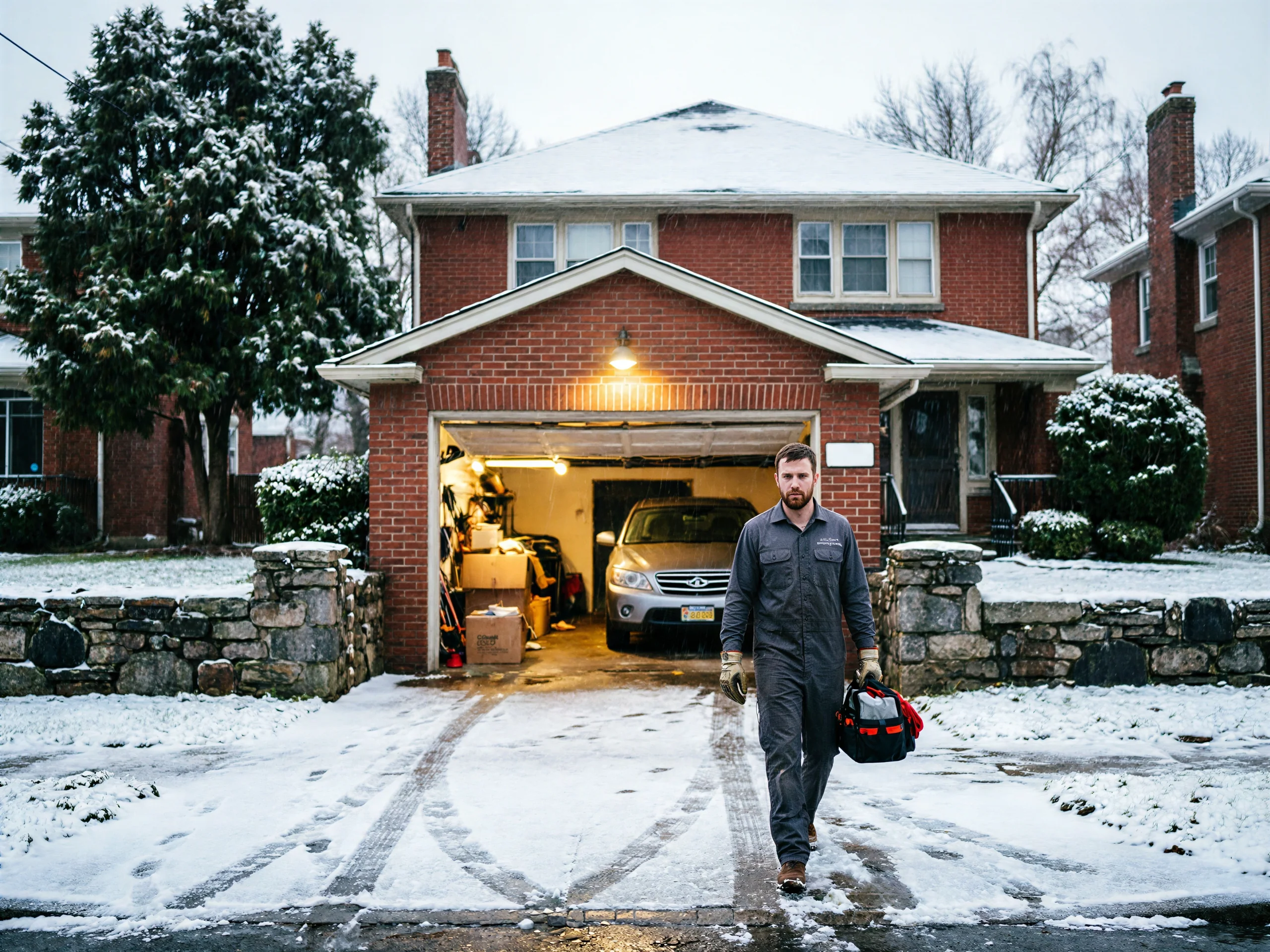
We travel to Lochearn from our shop in Ellicott City, about 8 miles out, with rollers and the track hardware that pairs with them already on the truck.
Sourcing obsolete bracket styles
What we don't stock is every obsolete bracket style - if your door has a bracket pattern specific to a builder from that period, we may need a day to source the exact match rather than force a fit.
Why It Happens Here
Lochearn's winters are part of the wear pattern, not just the age of the house. This area sits in a cold, severe climate band, and a steel roller contracting and expanding through freeze-thaw cycles for sixty winters loses its true faster than the same part would in a milder region. Grease that was fine in July turns stiff in January, and a stiff roller fights the track instead of rolling through it - that's where the flat spots and the grinding start.
Put the two together - 1963-era steel rollers and a cold climate that's hard on bearings and grease - and you get the pattern we see across Lochearn: doors that worked fine for decades and then, within a year or two, go from quiet to loud. It's not bad luck. It's the hardware finally catching up to the weather it's been sitting in since before most of the neighborhood's current owners moved in.
Talk to a local pro
Garage door service in Ellicott City?
Same-day service with honest, upfront quotes.