Time on the Job
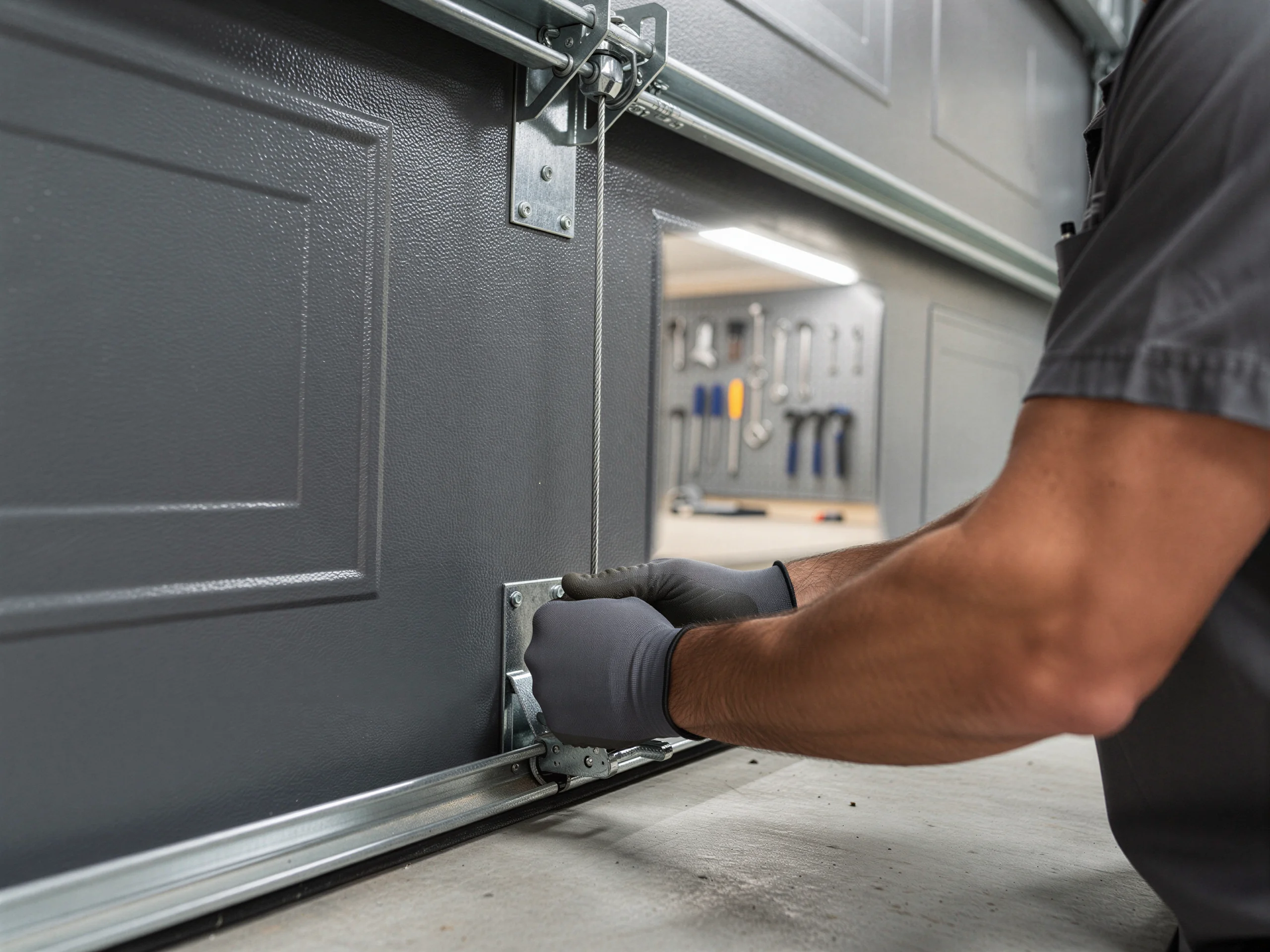
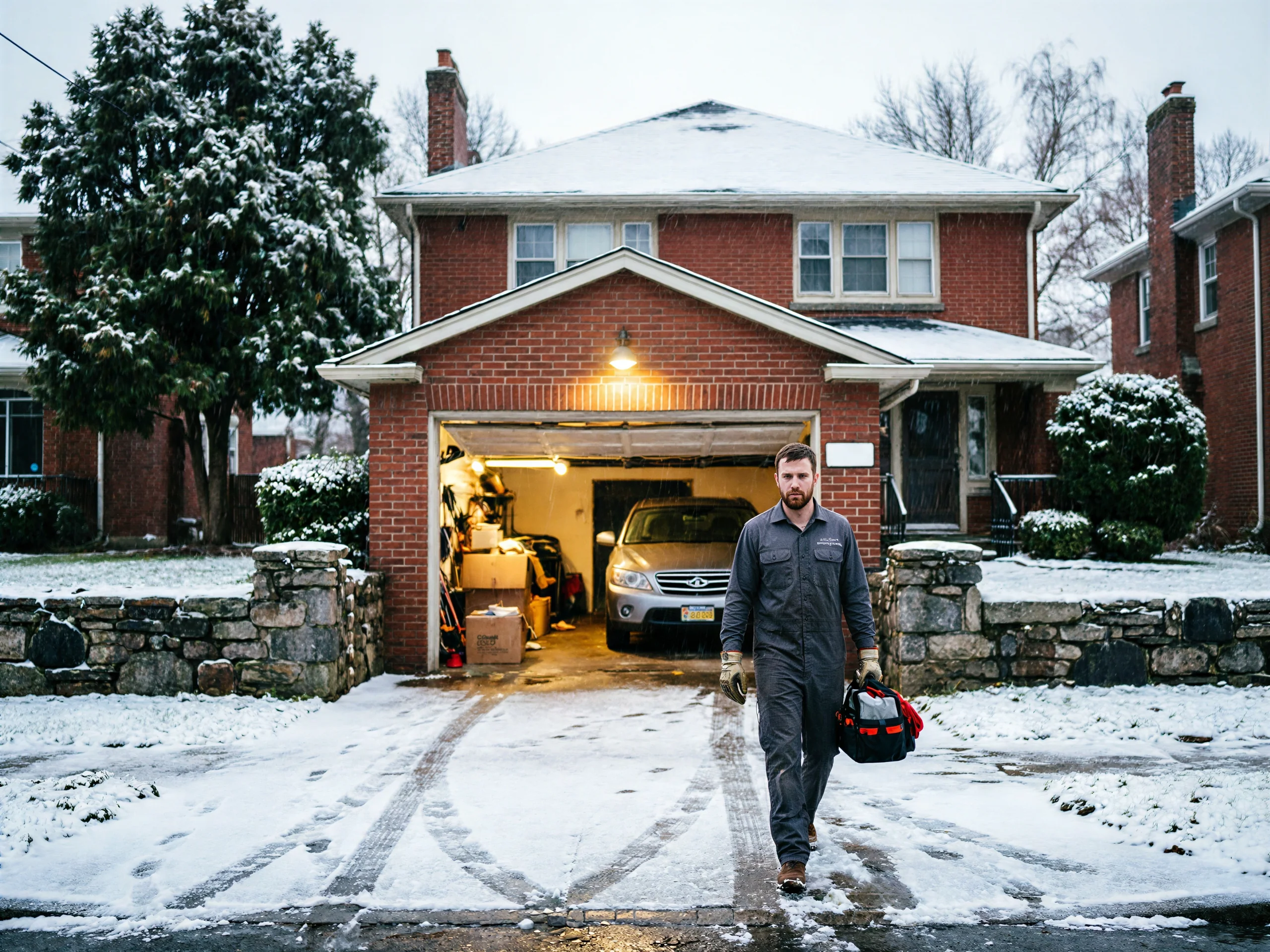
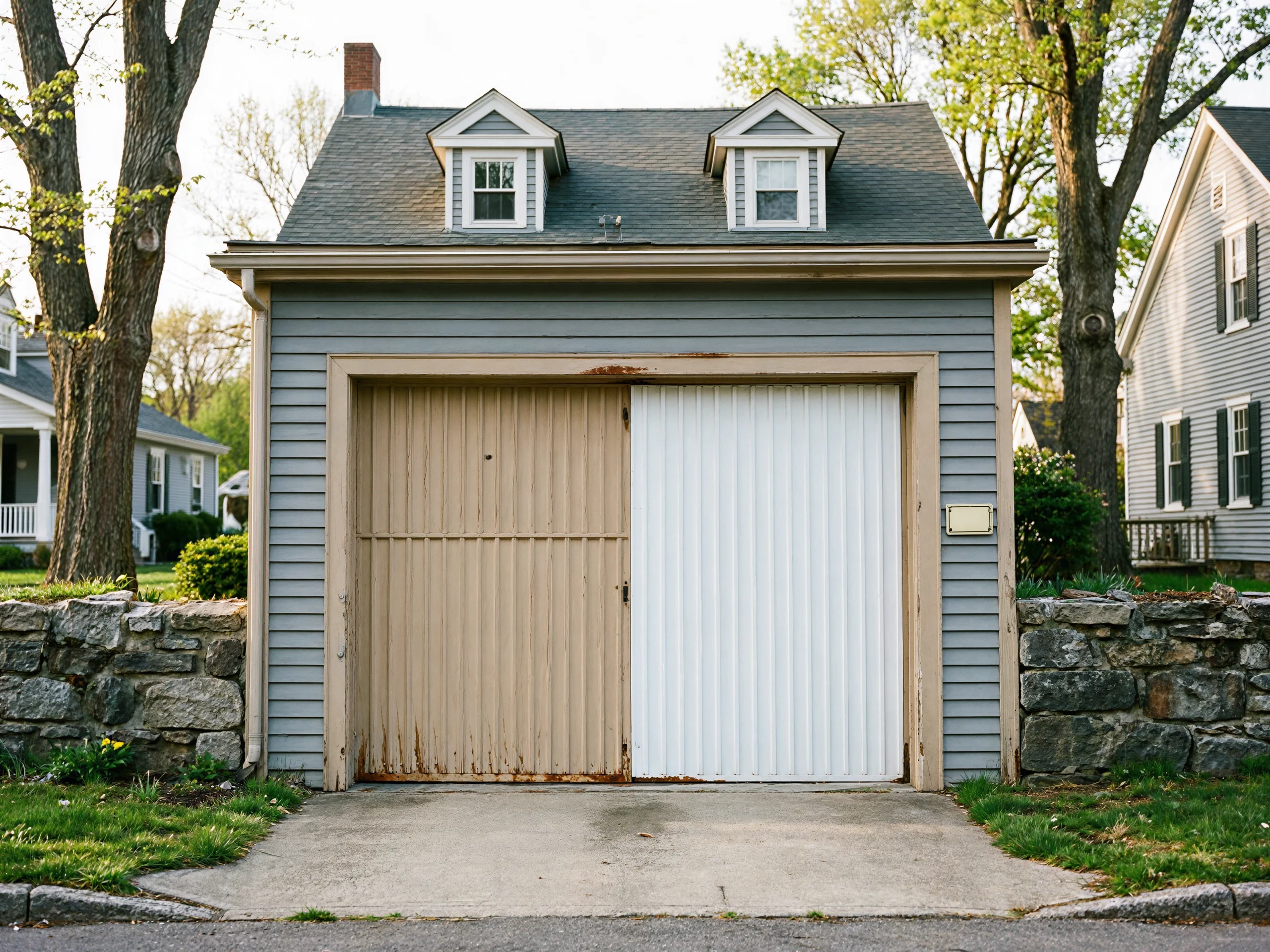
A lot of the doors we open up in Lochearn are the originals, or close to it. The neighborhood's median build year sits around 1963, which puts most garages in that early run of single-layer steel doors, usually a plain 16x7 double or a 9x7 single, hung on hardware that was never meant to see a 2024 opener bolted to it. These doors are heavier than what gets installed today, and the tracks are narrower. That changes the job before we even touch the spring. A tech working on a 1963 door spends more time checking whether the track is original gauge steel or a mismatched replacement from some repair decades back, because the two don't always play well together. We drive the 8 miles out from Ellicott City knowing that going in, which saves a wasted first trip for the wrong parts. It's not a faster job than a newer door, usually it's a bit slower, because half the labor is figuring out what's actually bolted to the wall before you can fix what's broken.
The Complications
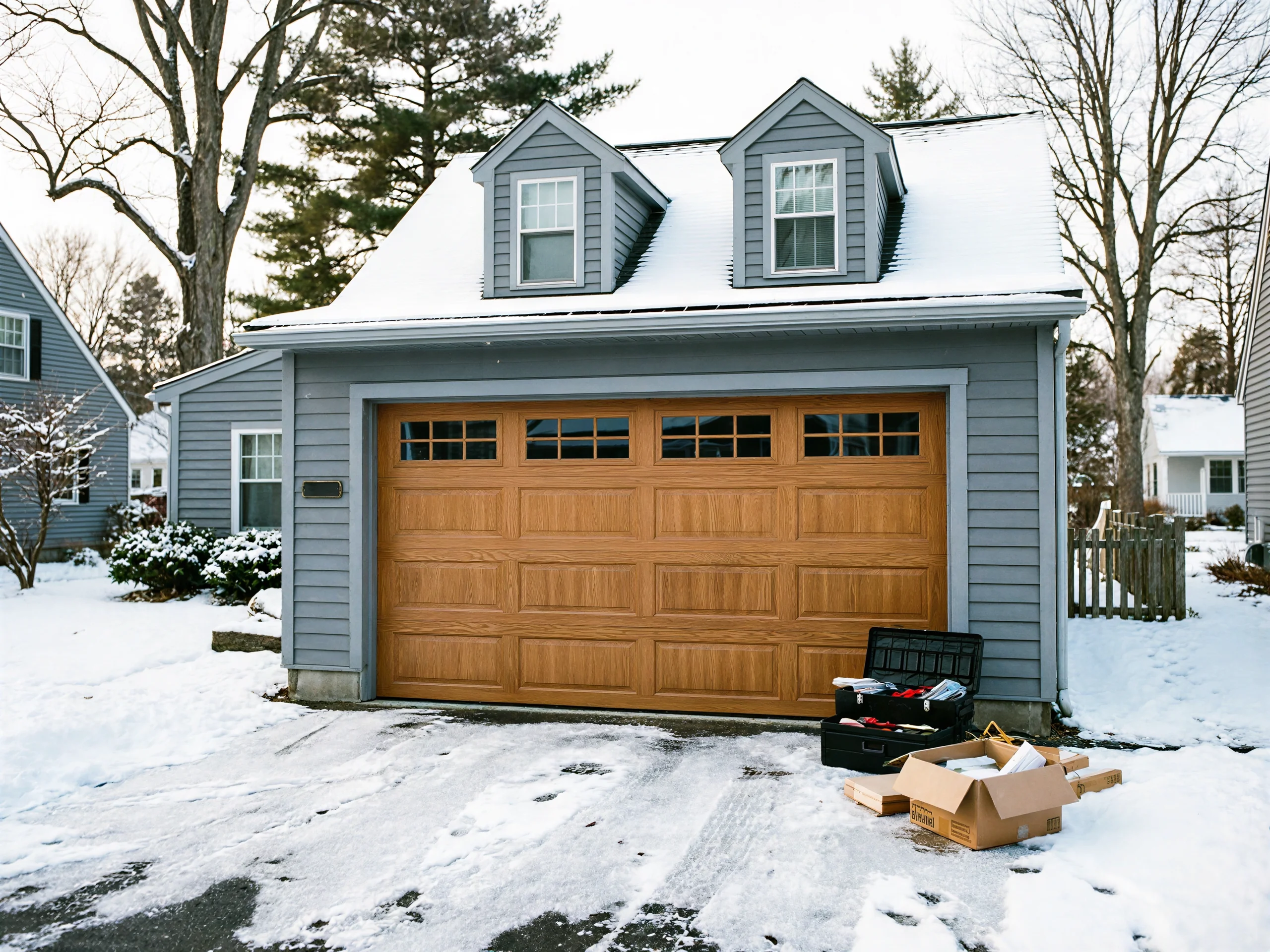
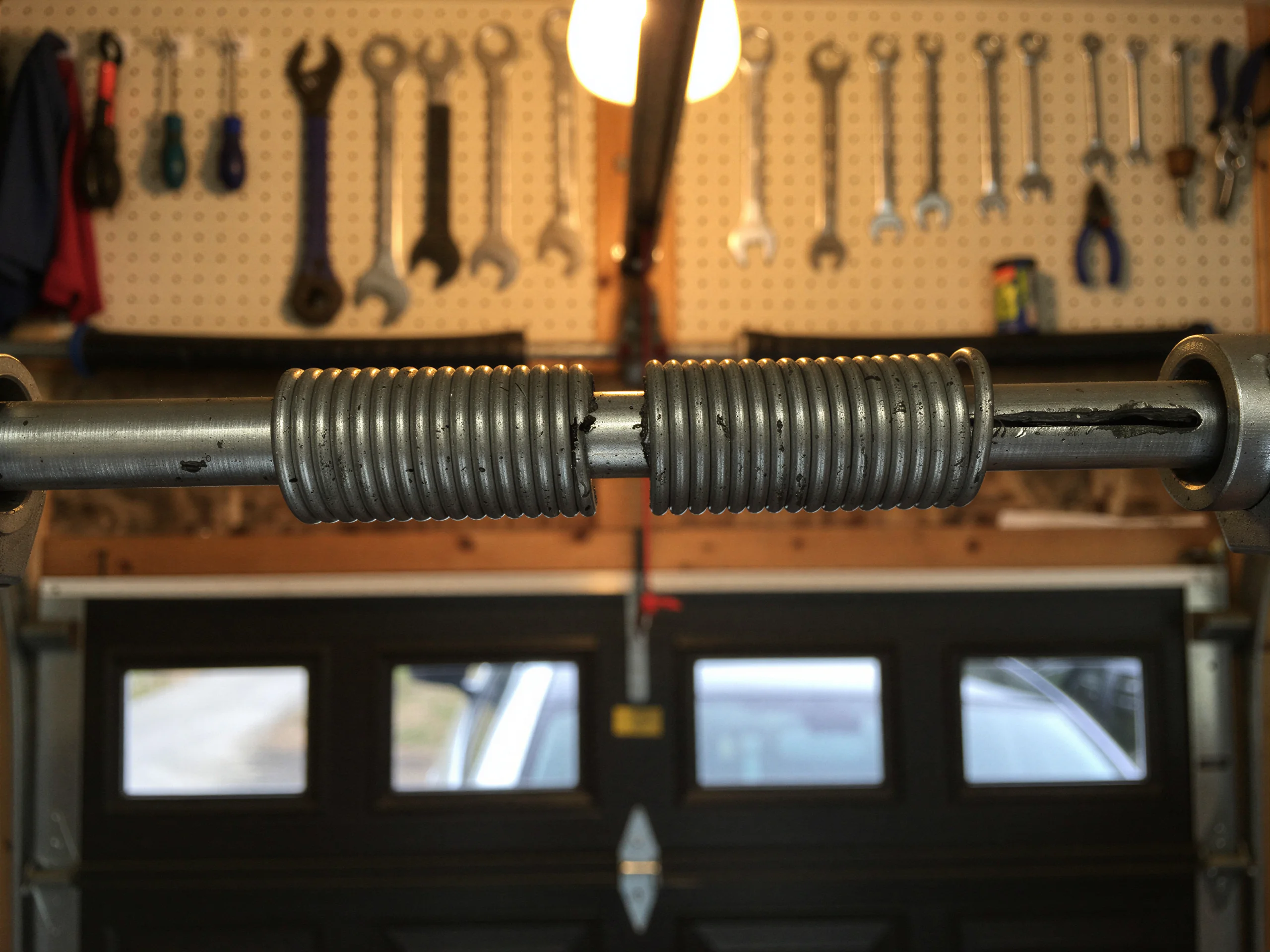
Maryland's winters put real stress on a torsion spring, and a spring original to a 1963 door, or its third or fourth replacement over sixty years, has usually seen more cold-weather cycling than the spring on a house built in 2005.
Unupgraded steel rollers
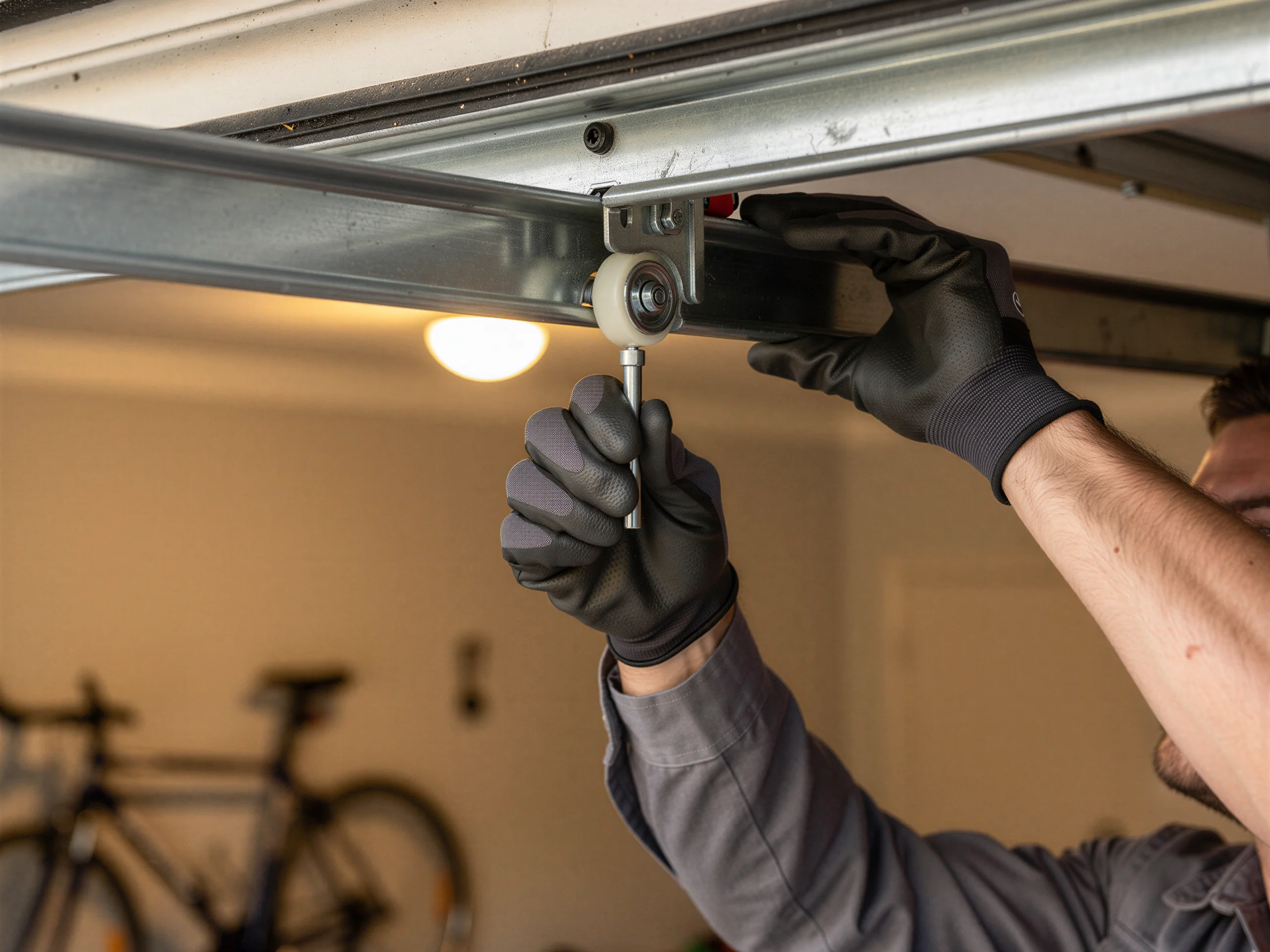
Cold makes steel brittle and tightens tolerances, so a spring that's been fine all fall can snap on the first hard freeze. On older Lochearn doors we also run into rollers that were never upgraded from steel to nylon, which get noisy and bind faster once the grease dries out in cold weather.
Spring swap limits
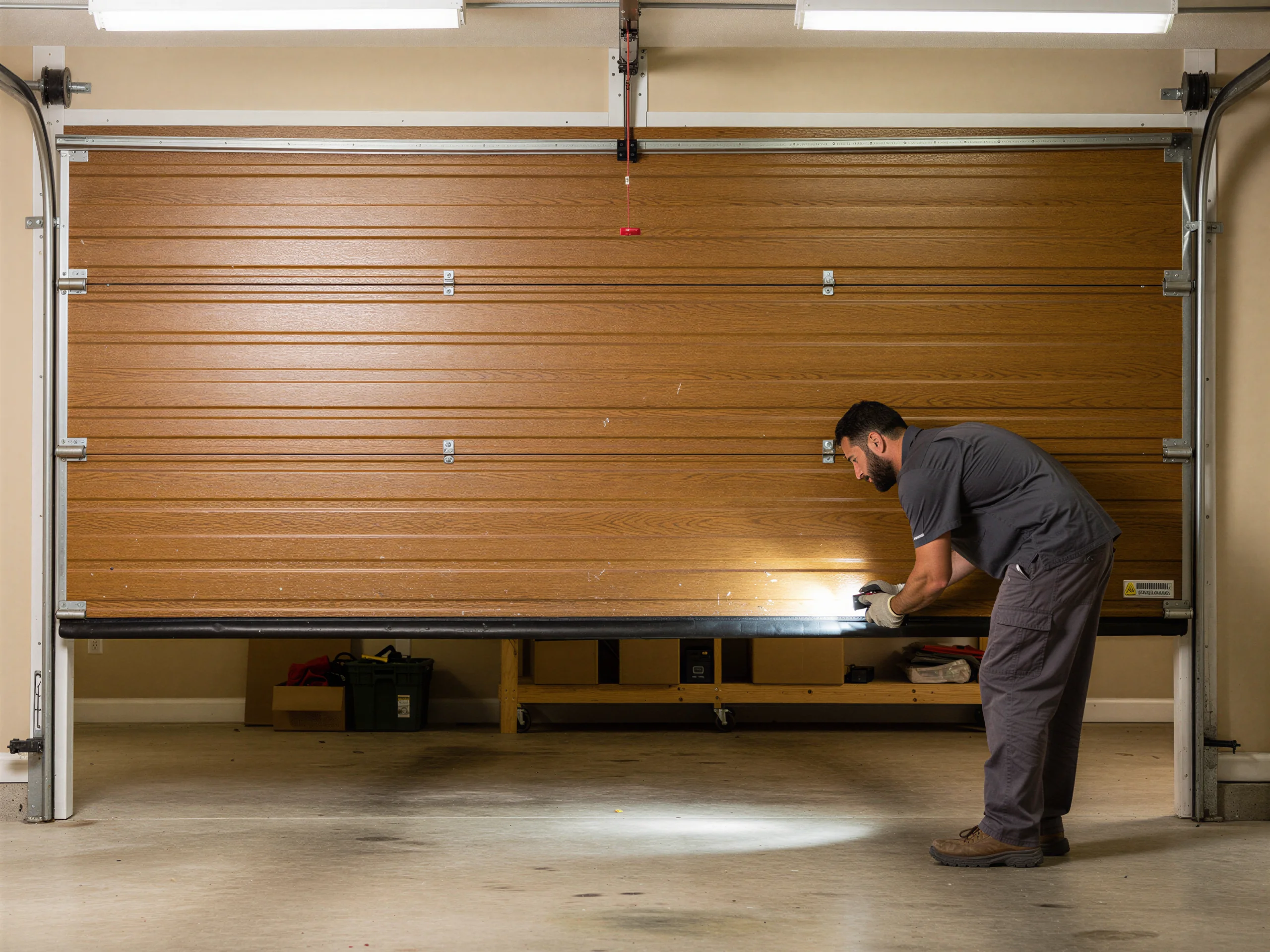
Here's the honest part: if the track is bent or the door panel itself has rusted through at the bottom, we're not going to pretend a spring swap fixes it.
Knowing when to stop
Sometimes the right call on a door this old is telling you where the money is better spent, not running up a bill chasing a dying door with parts it doesn't need.
Parts We Carry
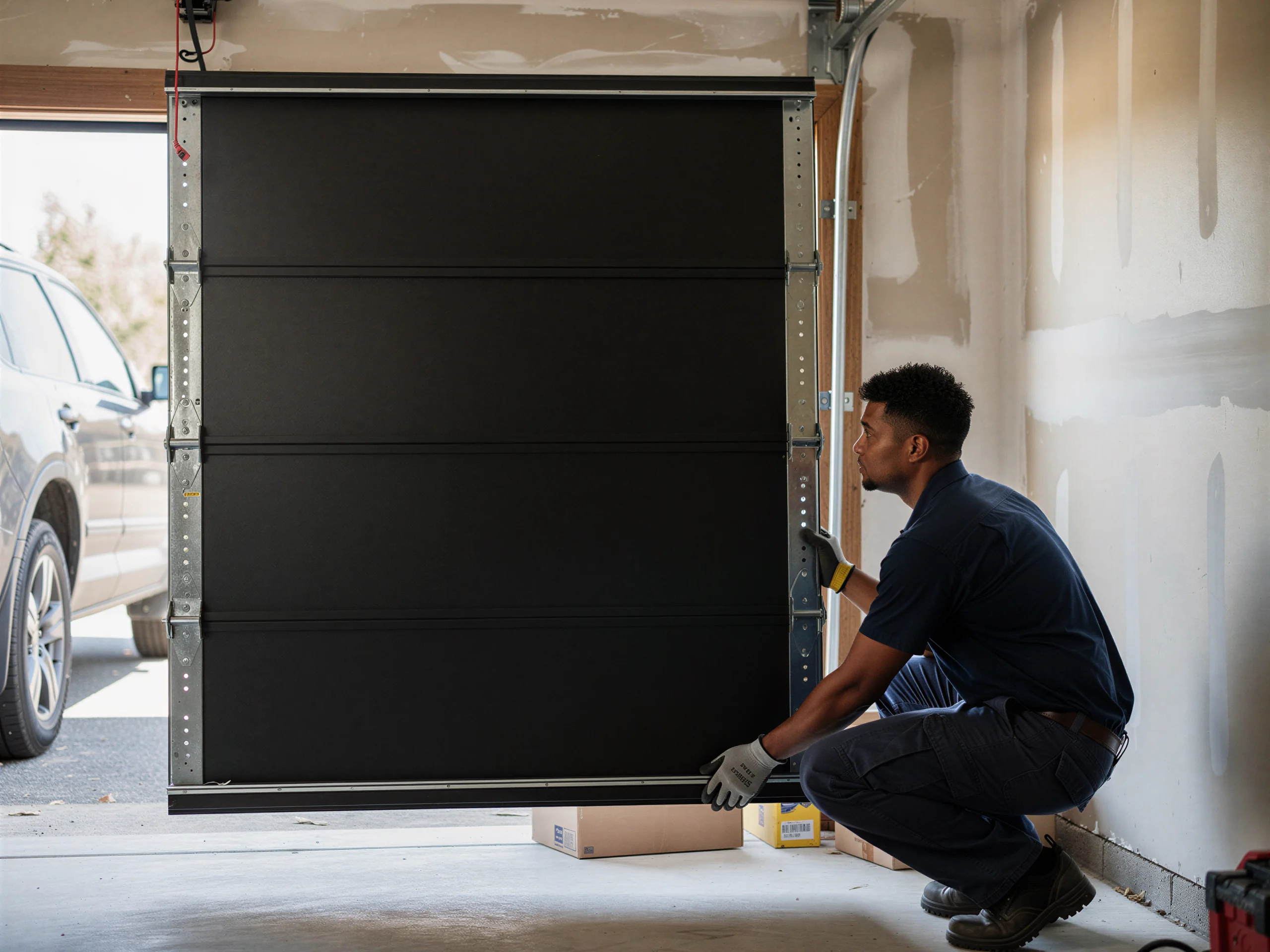
Because so much of Lochearn's housing dates to the early 1960s, we carry torsion springs sized for the heavier single-layer steel doors common from that era, not just the lighter-gauge springs that fit a newer insulated door. We also stock extension spring conversion hardware for the handful of homes that still run the older extension-spring setup instead of a center torsion shaft. Steel hinges and end bearing plates built to the wider spacing of older track systems are in the truck too, since a modern hinge often doesn't line up with a 1960s track without an adapter plate. What we don't carry is obsolete wood panel sections - if an original wood door has rotted through, we'll talk replacement rather than hunt for a discontinued panel.
Why It Happens Here
Most of Lochearn's housing went up in a tight window around 1963, which means a big share of the garage doors in the area are hitting the same age-related failures around the same time: dry-rotted cables, torsion springs past their cycle count, and steel rollers worn oval from decades of use. That's different from a neighborhood built in waves over fifty years, where failures are scattered and random. Here, the climate does the rest of the work - Maryland's cold winters shorten the working life of a spring that's already old, so a door that limped through last year can fail outright on the first deep freeze this year. Add in original hardware that was never upgraded, and you get a predictable cluster of the same two or three failures across the same few blocks, just showing up on different houses in different months.
Talk to a local pro
Garage door service in Ellicott City?
Same-day service with honest, upfront quotes.