Time on the Job
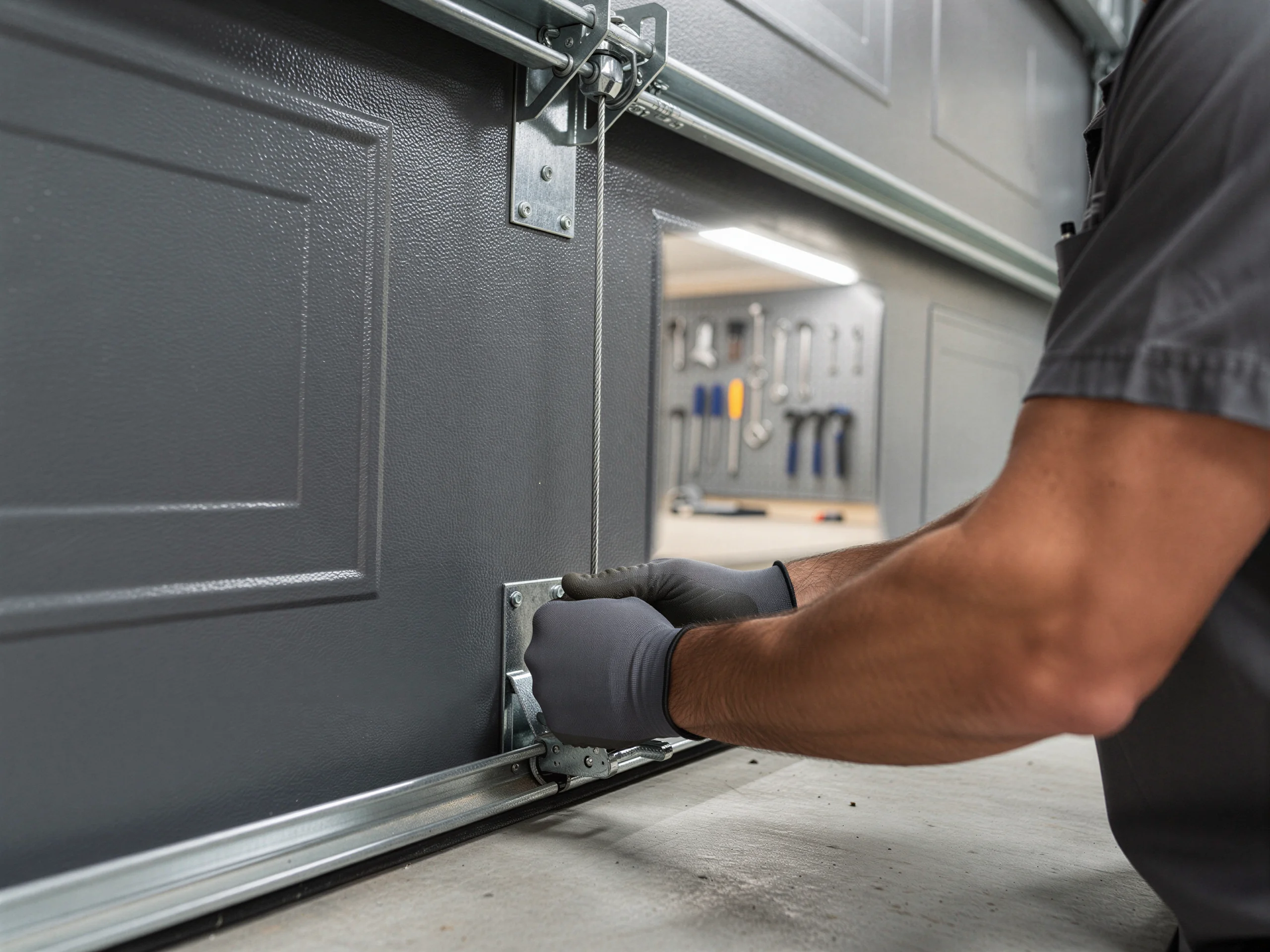
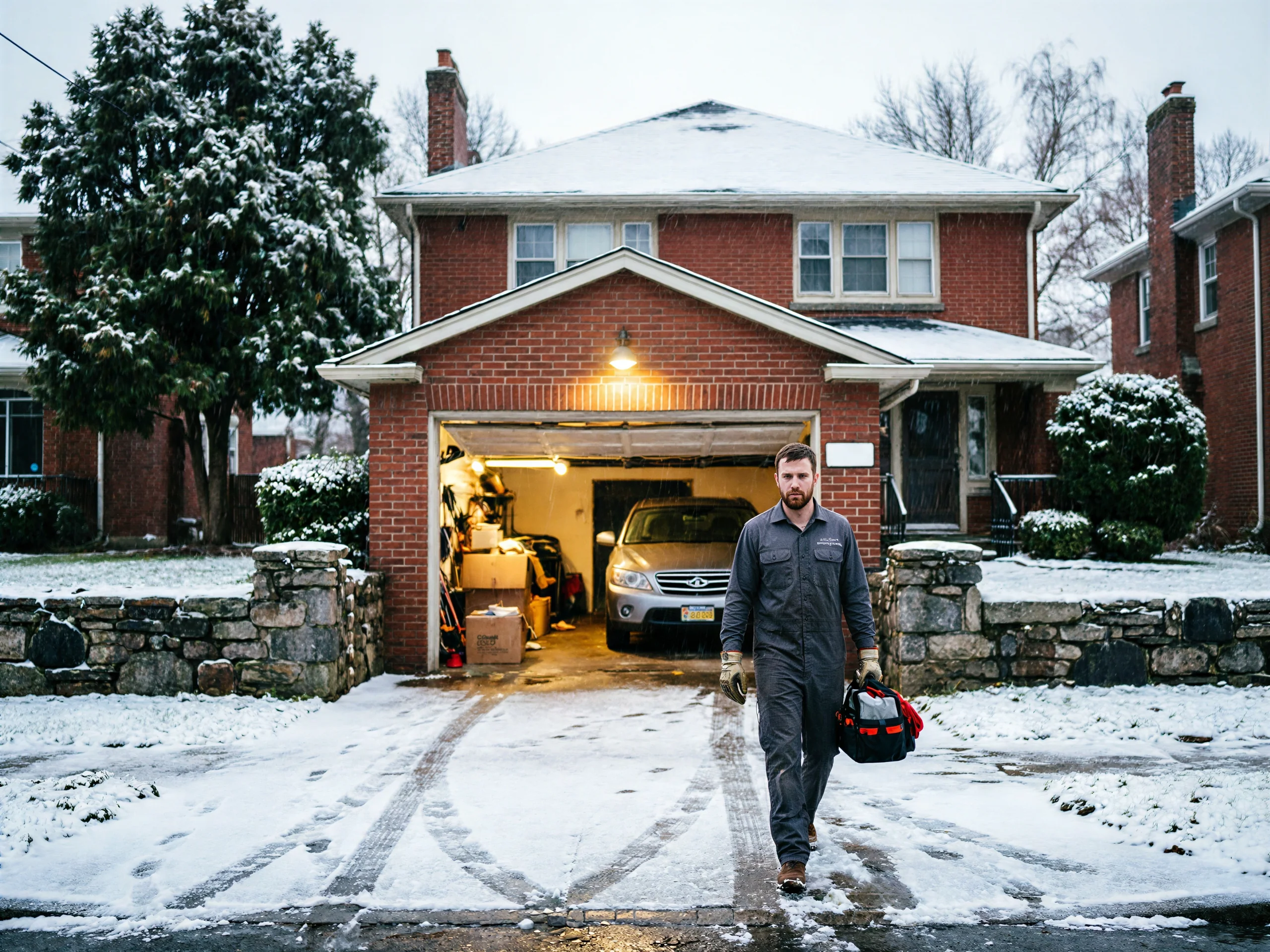
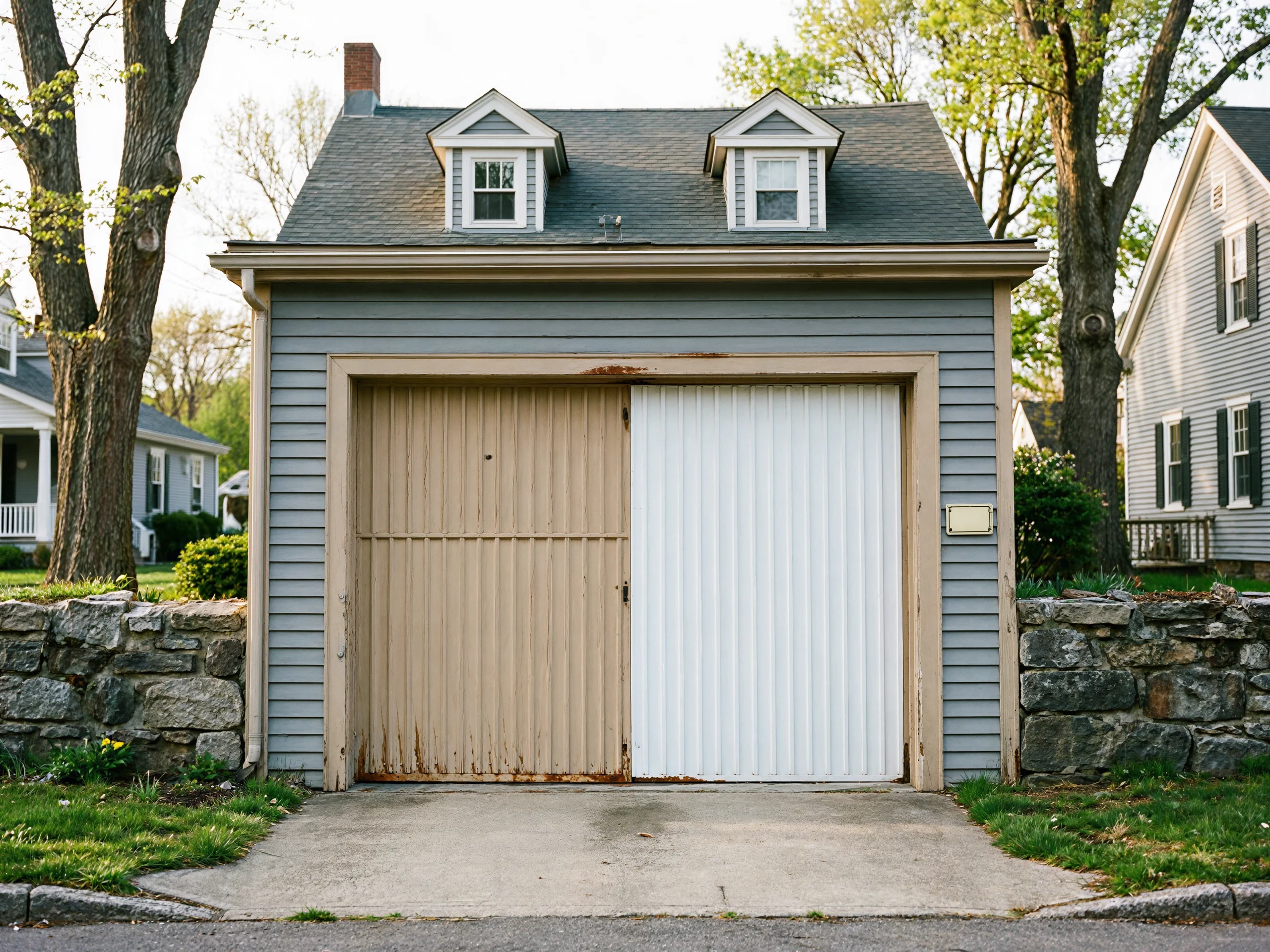
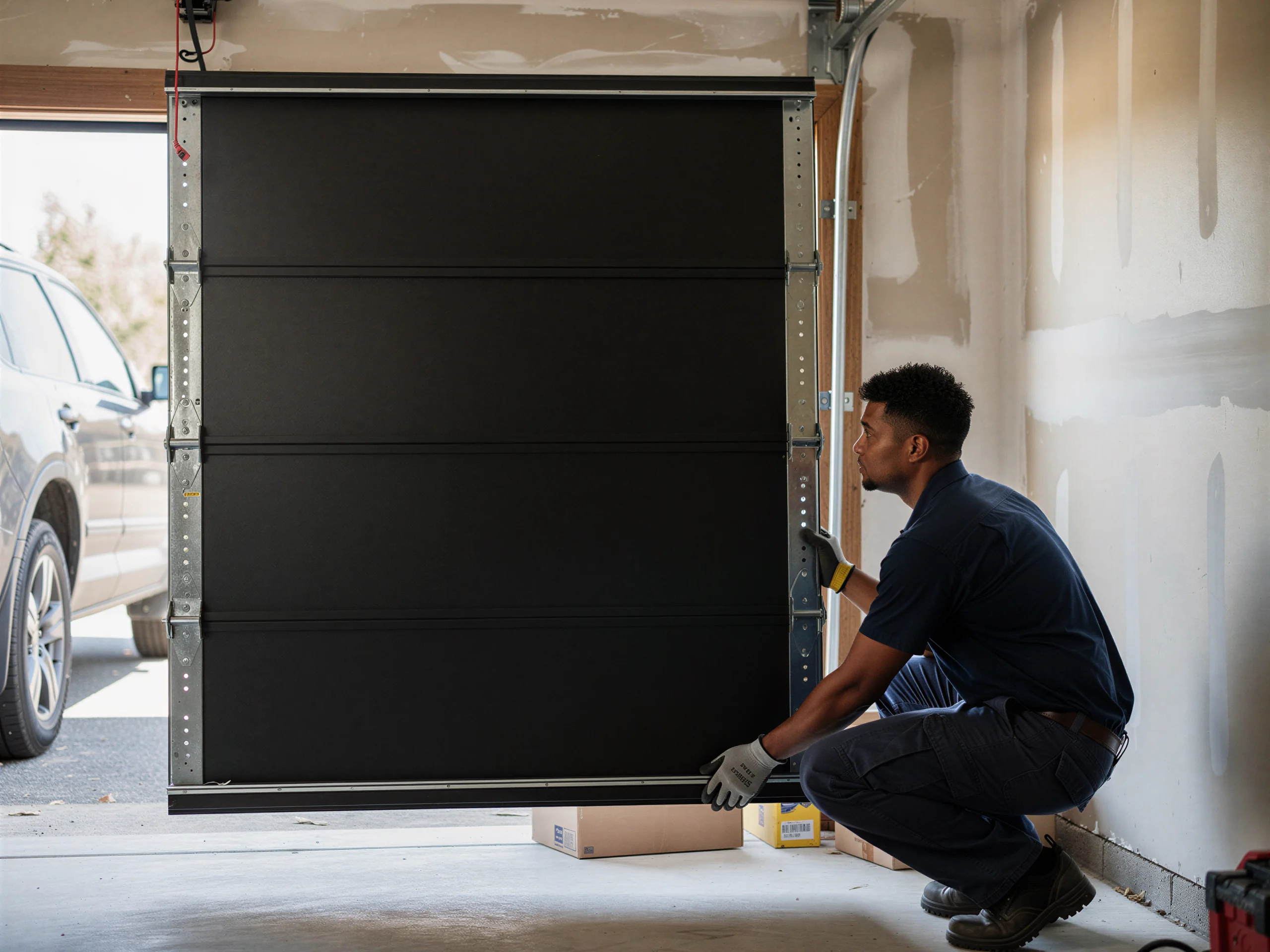
Most of Lochearn went up around 1963, which puts it right in the middle of the 1960s-70s building wave that shaped this whole corner of the county. A door from that build year is almost never the original anymore, but the hardware behind it often is. Builders in the early 60s were still putting in extension springs stretched along the horizontal tracks rather than torsion springs mounted on a shaft over the door - cheaper to install, harder to service safely, and they don't last the way torsion setups do. We come out from Ellicott City, about 8 miles away, carrying stock sized for that generation of door, not just whatever's newest on the shelf. If your house still has the steel panel door that came with the place, we can tell you in five minutes whether it's worth keeping or past the point where parts outlast the frame around them.
The Complications
A 1963 door opening doesn't always match 2024 hardware. Track widths, drum sizes, and the way the old extension-spring doors are framed can be a half inch off from what comes standard now, which means a part that looks right in the box doesn't sit right on the door.
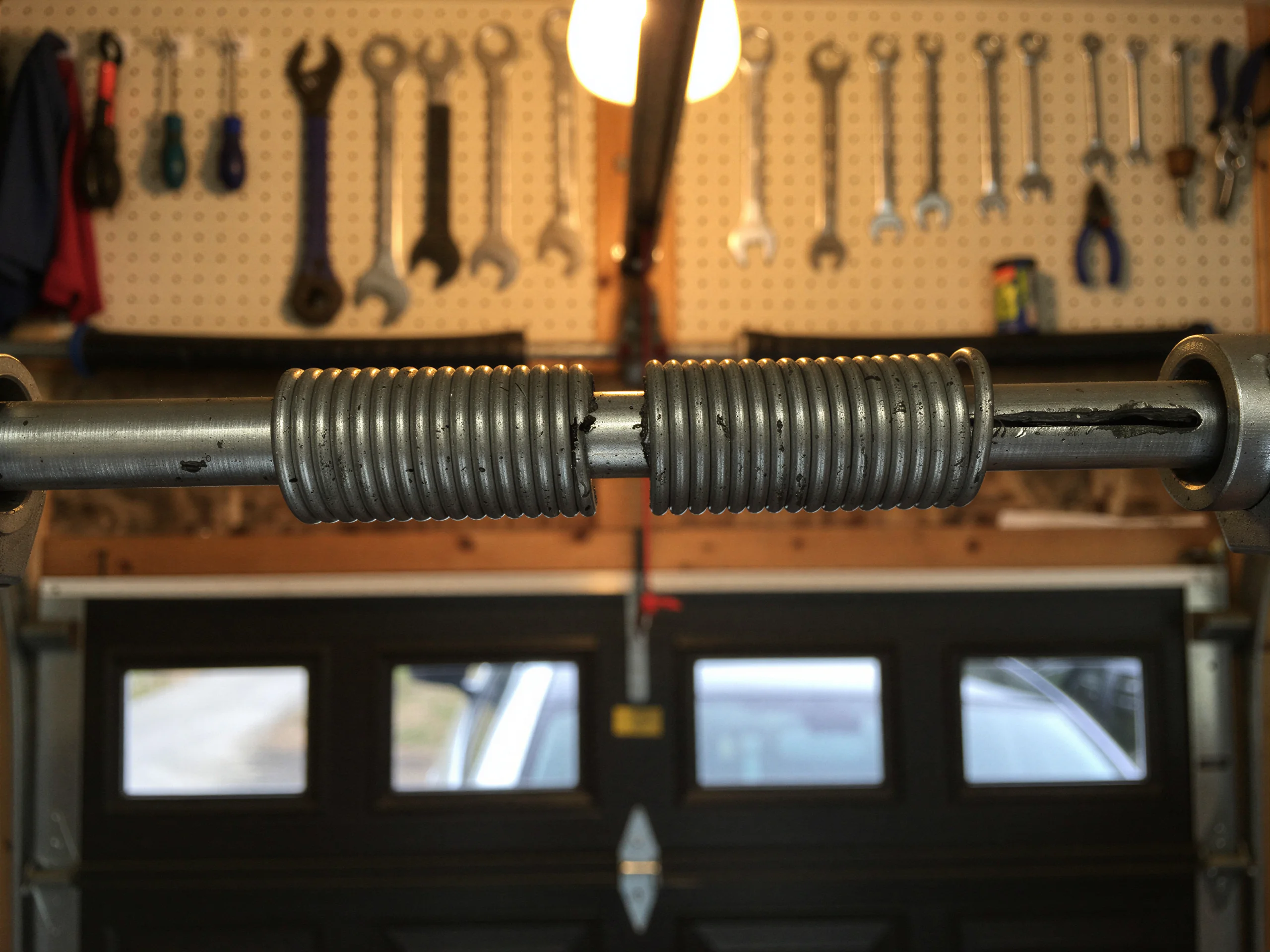
Safety cables missing on extensions
We run into this often enough in homes from this era that we check measurements before we quote, not after. The other complication is safety: pre-1970s extension-spring systems usually don't have the safety cables that keep a broken spring from launching across the garage, and that's not something we leave as-is once we're already under the hood.
Warped frames beyond repair
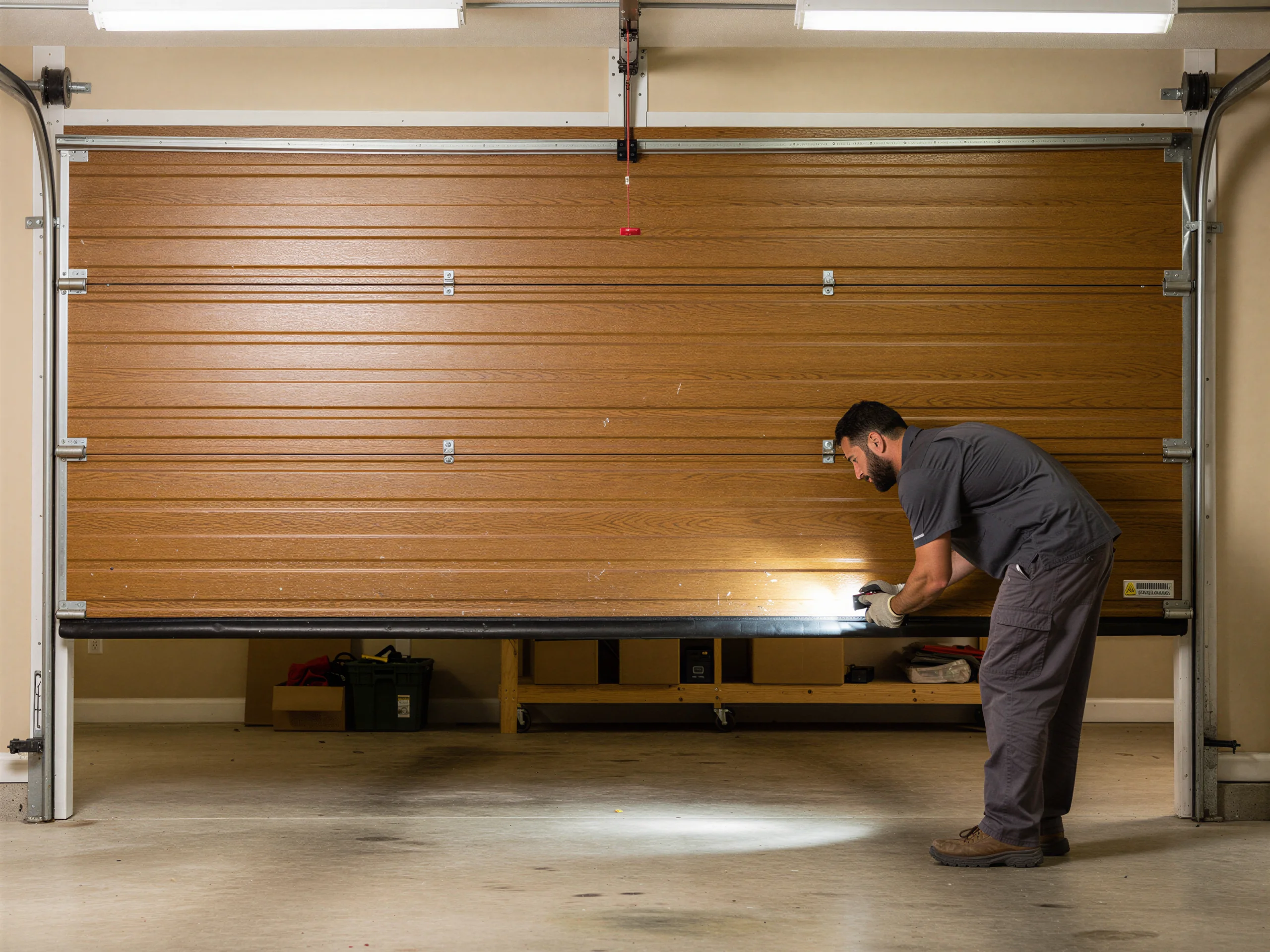
Here's the honest limit - if the track or the frame itself has rusted or warped past square, a repair just buys you a few more months before the same failure comes back, and we'll say so instead of billing you twice for the same job.
Parts We Carry
For a town built mostly around 1963, that means stocking extension springs in the older stretch lengths, drums sized for narrower tracks, and the safety cable kits that a lot of these doors never got in the first place. We also carry steel panel sections in widths that match what went up during that build wave, since a mismatched panel is one of the fastest ways to throw a whole door out of square. Openers are the one place these houses have usually already been updated - chain-drive units from the 80s and 90s are more common here than anything original. We stock belt and chain drive replacements for both, plus the wall controls and keypads that go with them. What we don't carry on the truck is anything custom-cut or special-order; those jobs take a scheduled return trip, not a same-day fix.
Why It Happens Here
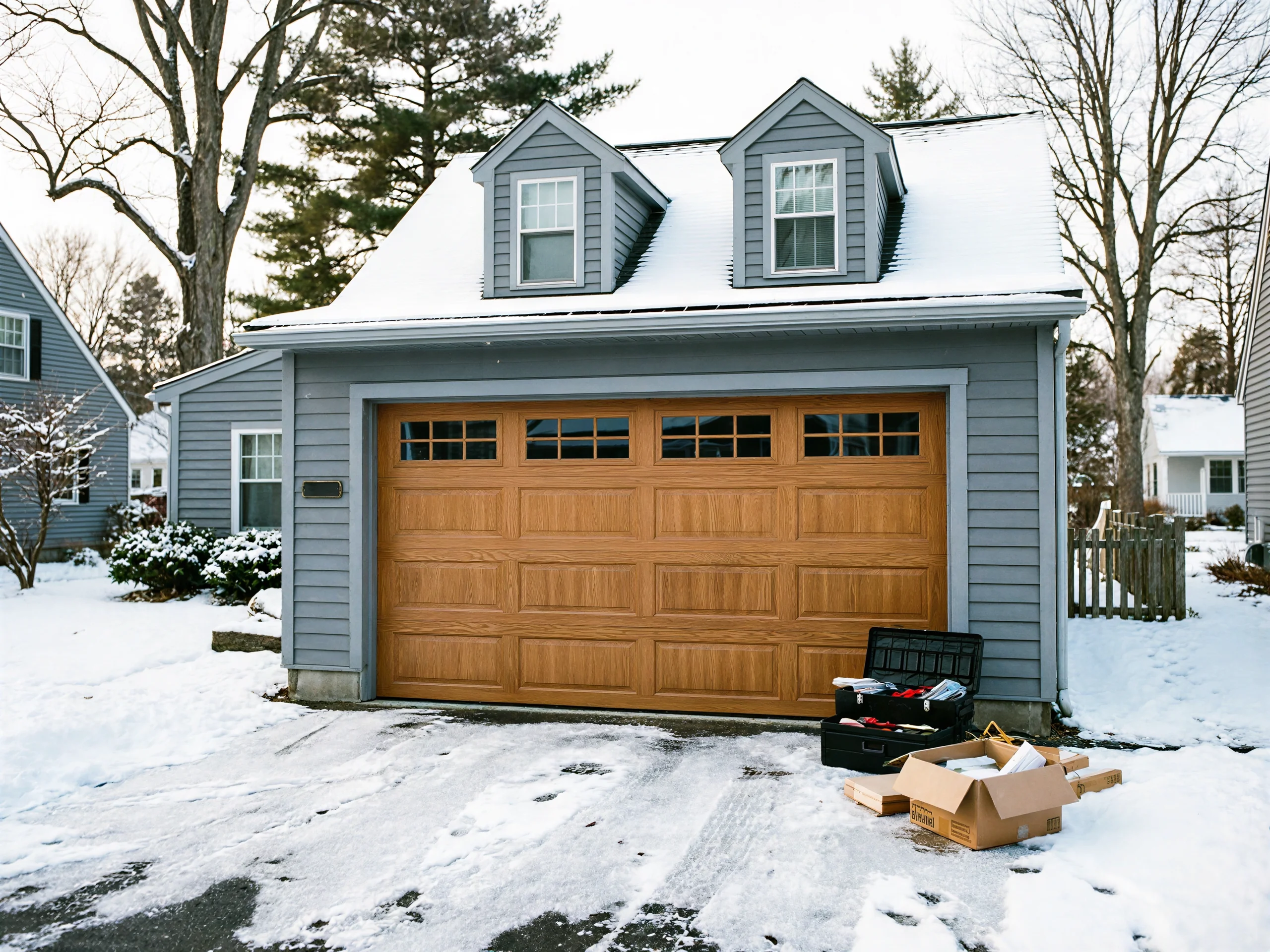
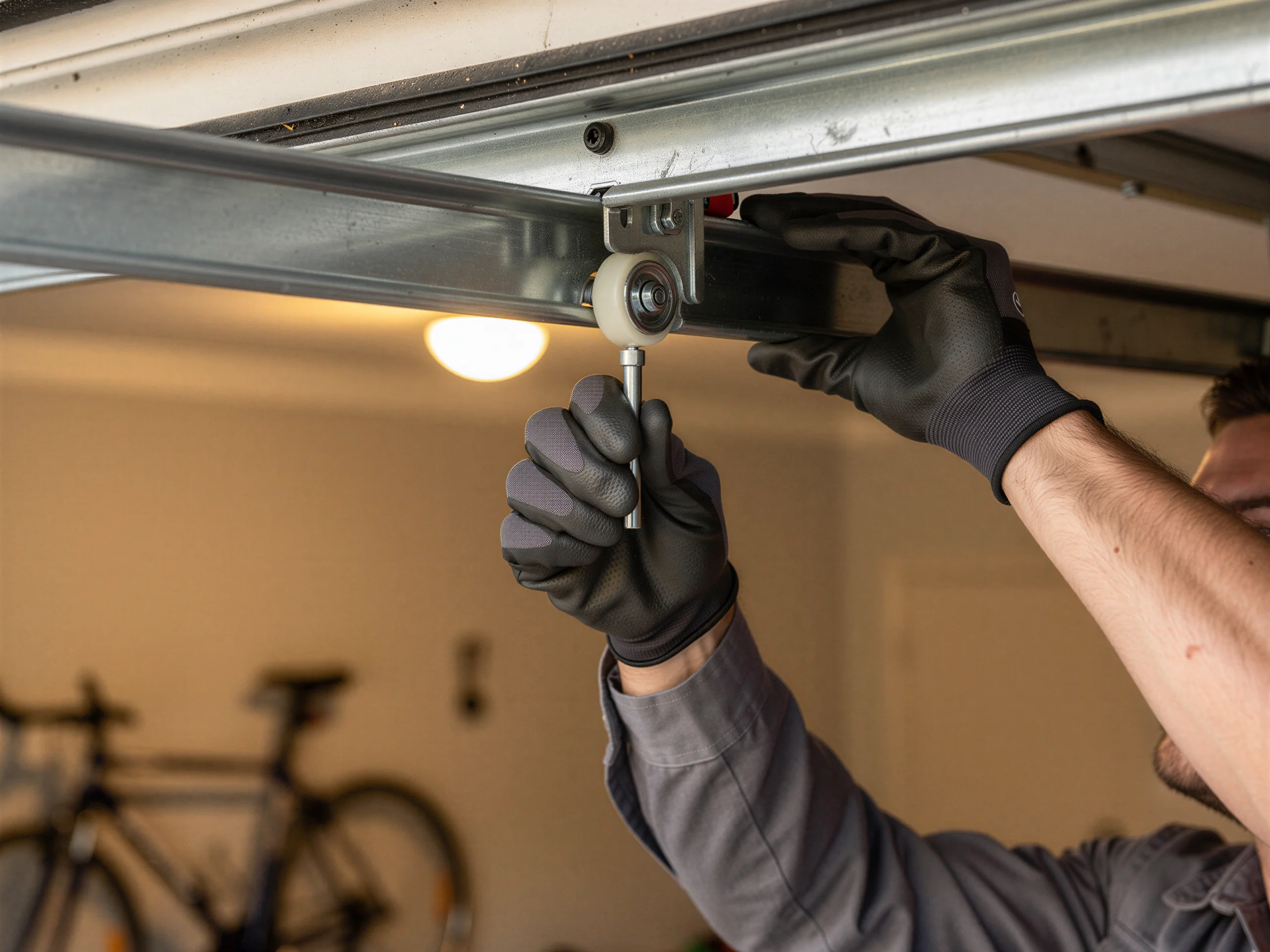
The cold winters this area gets hit hardest on hardware from the extension-spring era, because that older steel contracts and the coil tension shifts more than it does on a modern torsion spring rated for the swing. A door that's been fine all fall will suddenly bind or sag the first hard freeze, and in a neighborhood built around 1963, that's the spring losing tension, not the opener failing. Rollers are the other failure point - steel rollers from that period don't take the cold-to-warm cycle well, and they're usually the first thing to seize or crack once the weather turns. None of this is unique to one street or one house; it's the hardware that came standard across this whole build era, now 60-plus years into service in a climate that's hard on it every winter.
Talk to a local pro
Garage door service in Ellicott City?
Same-day service with honest, upfront quotes.