The Cost of This Job
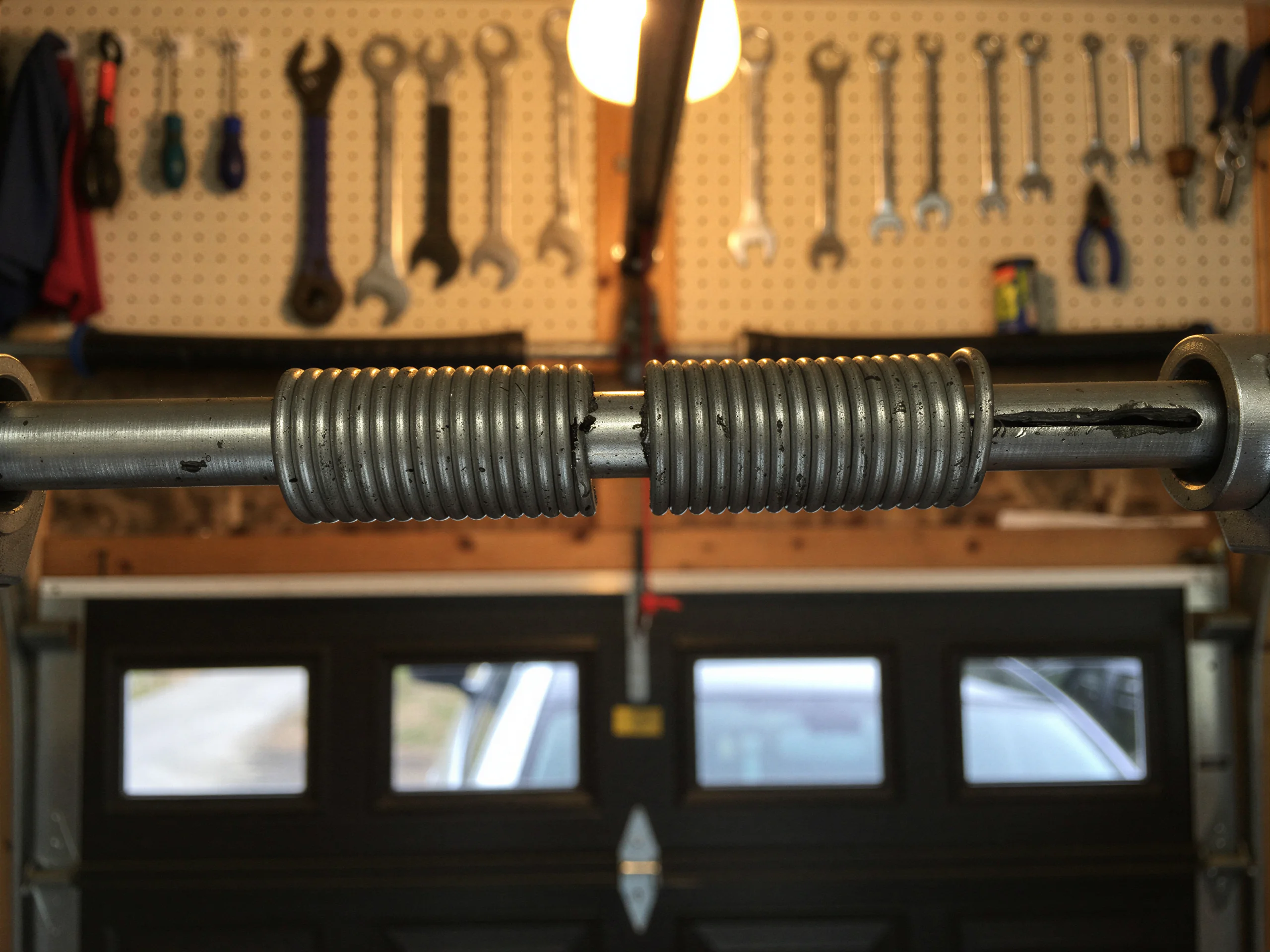
The call we get most from this part of Catonsville is a torsion spring that's seized or snapped outright, usually on a door that's never been touched since it went in.
1964 house age gap
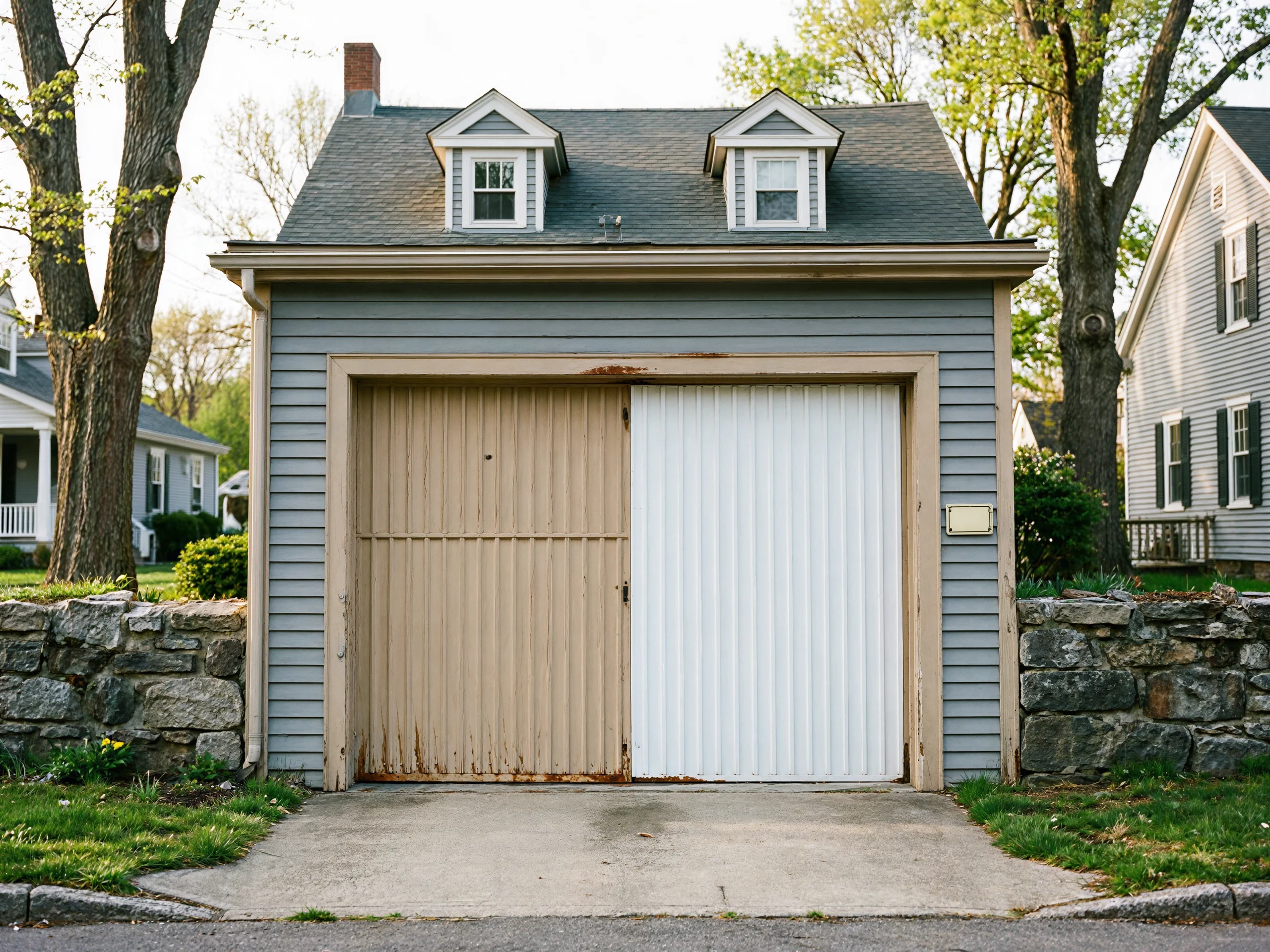
That's not a coincidence. The median house here dates to 1964, a good fifteen years ahead of the 1979 median across the rest of our coverage area, and a lot of that original hardware is still hanging on the header.
Bill grows with wear
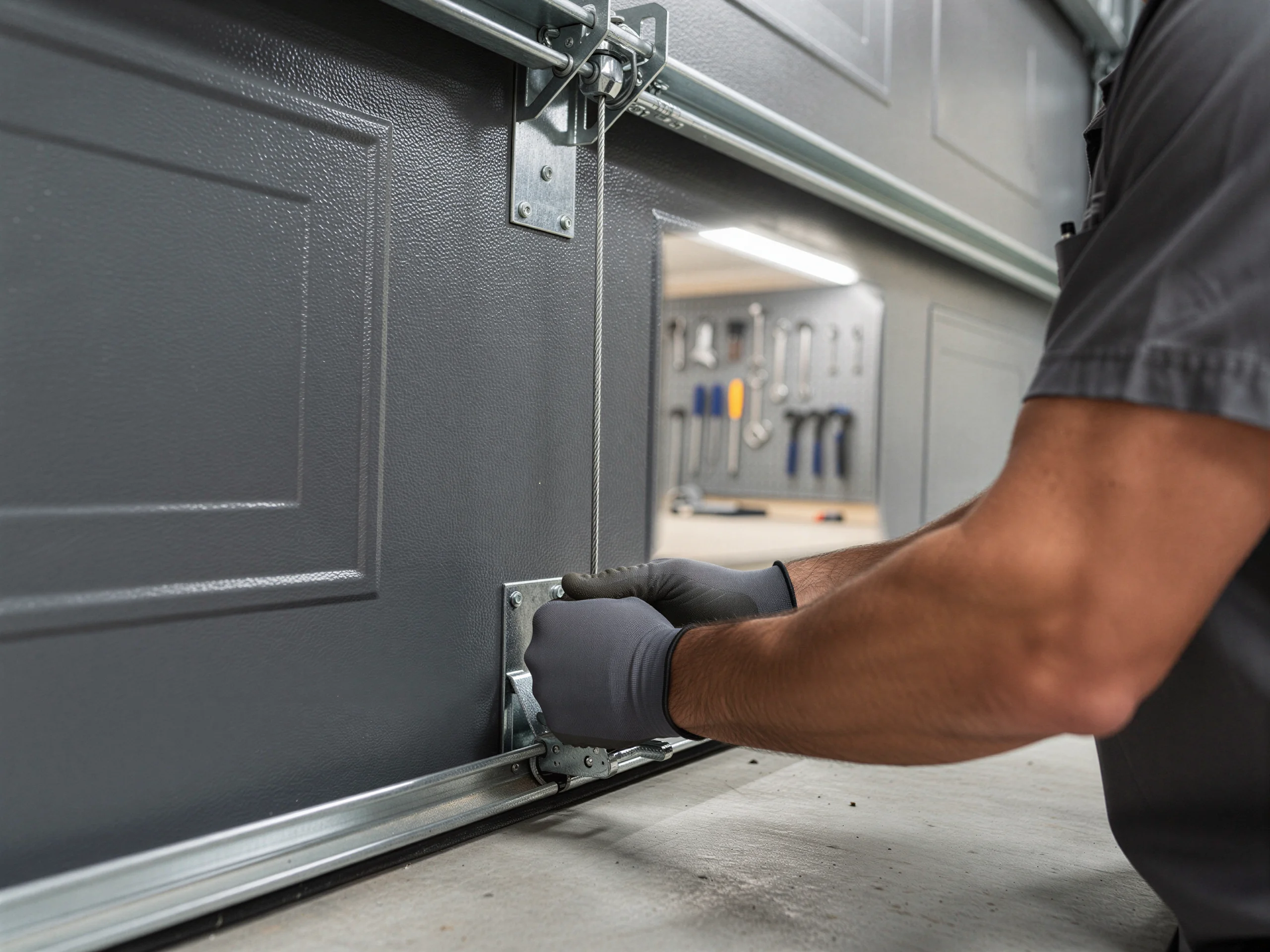
What that means for cost: a straight spring swap on a door from that era is usually a contained job, but if the drums, cable, or bottom bracket have worn alongside the spring, the bill grows because we're not just replacing one part, we're matching a system that was never designed to be serviced piecemeal.
Age asked on phone
We won't quote a number here without seeing the door, but we will tell you the age of the house is the first thing we ask about on the phone, because it tells us what we're probably walking into before we even load the truck. One limitation worth saying plainly: if the opener or track hardware is original to a 1964 build and a replacement part isn't made anymore, we'll tell you straight that replacement beats chasing obsolete parts. That's not an upsell, it's math.
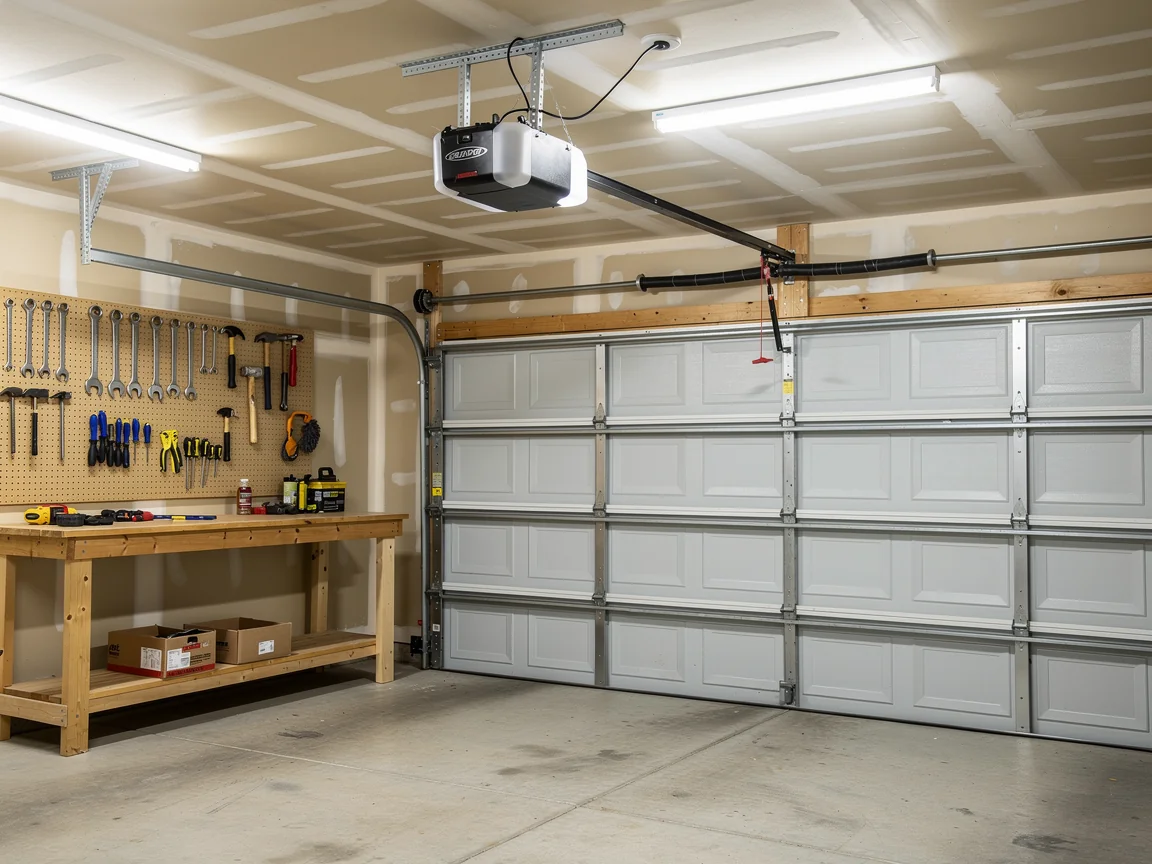
Time on the Job
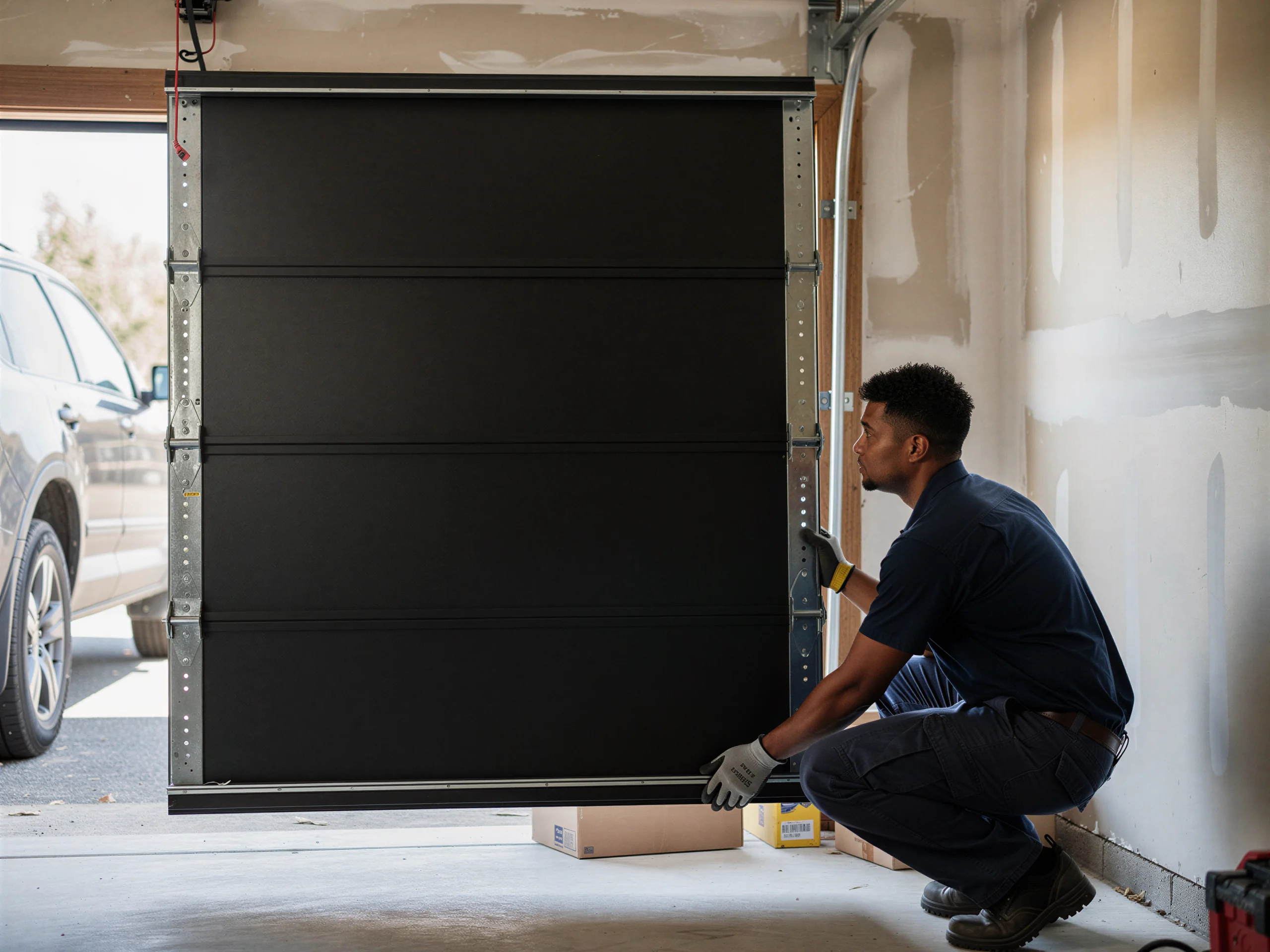
A clean spring replacement on a standard double door usually moves fast once we're on site, parts permitting. Where the clock runs longer is diagnosis, not repair, and that's a Catonsville-specific wrinkle: houses built in the 1960s often have non-standard spring sizing compared to what ships on doors today, so we spend more time measuring wire gauge and inside diameter before we touch anything than we would on a door installed in the last fifteen years.
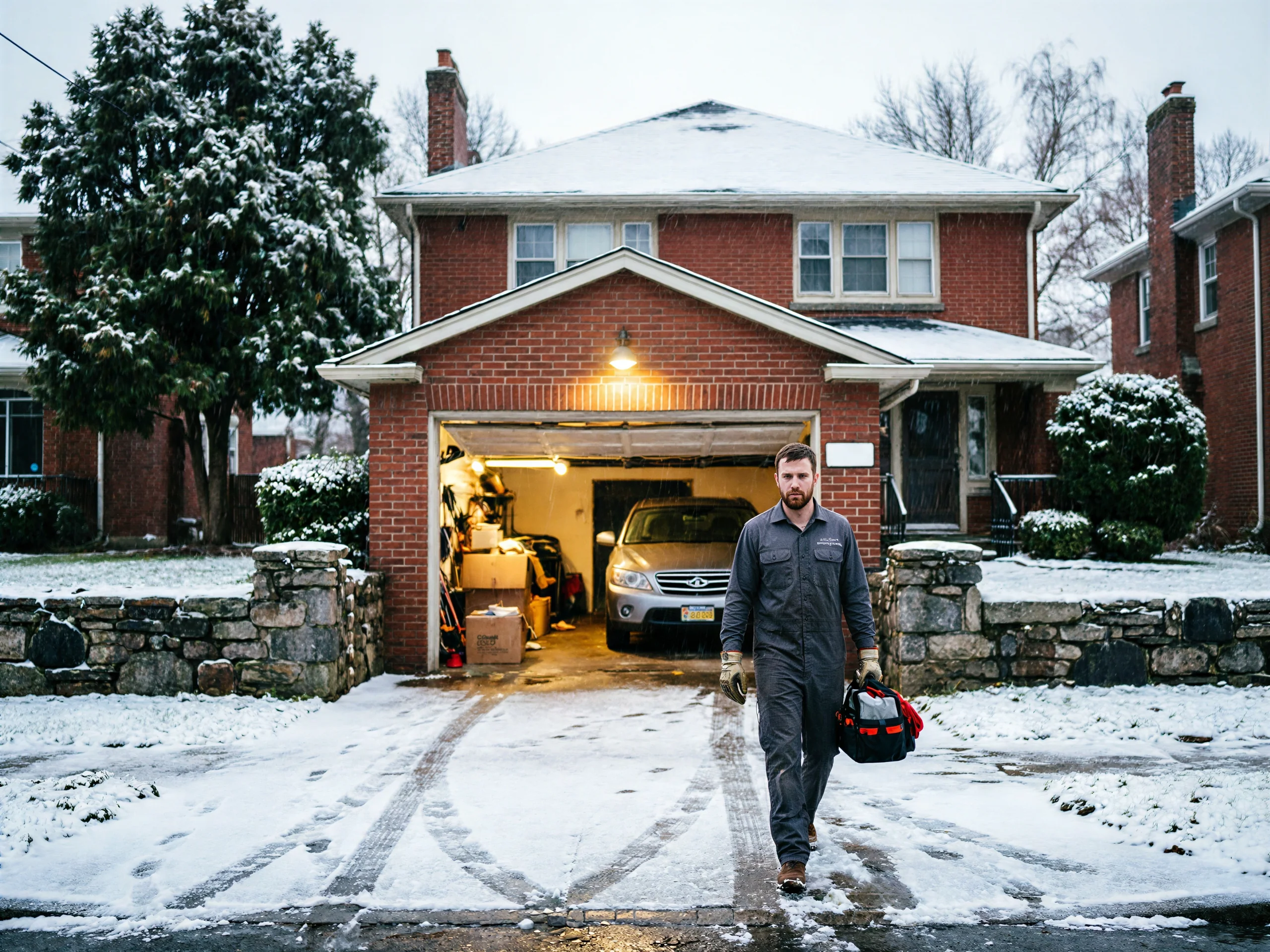
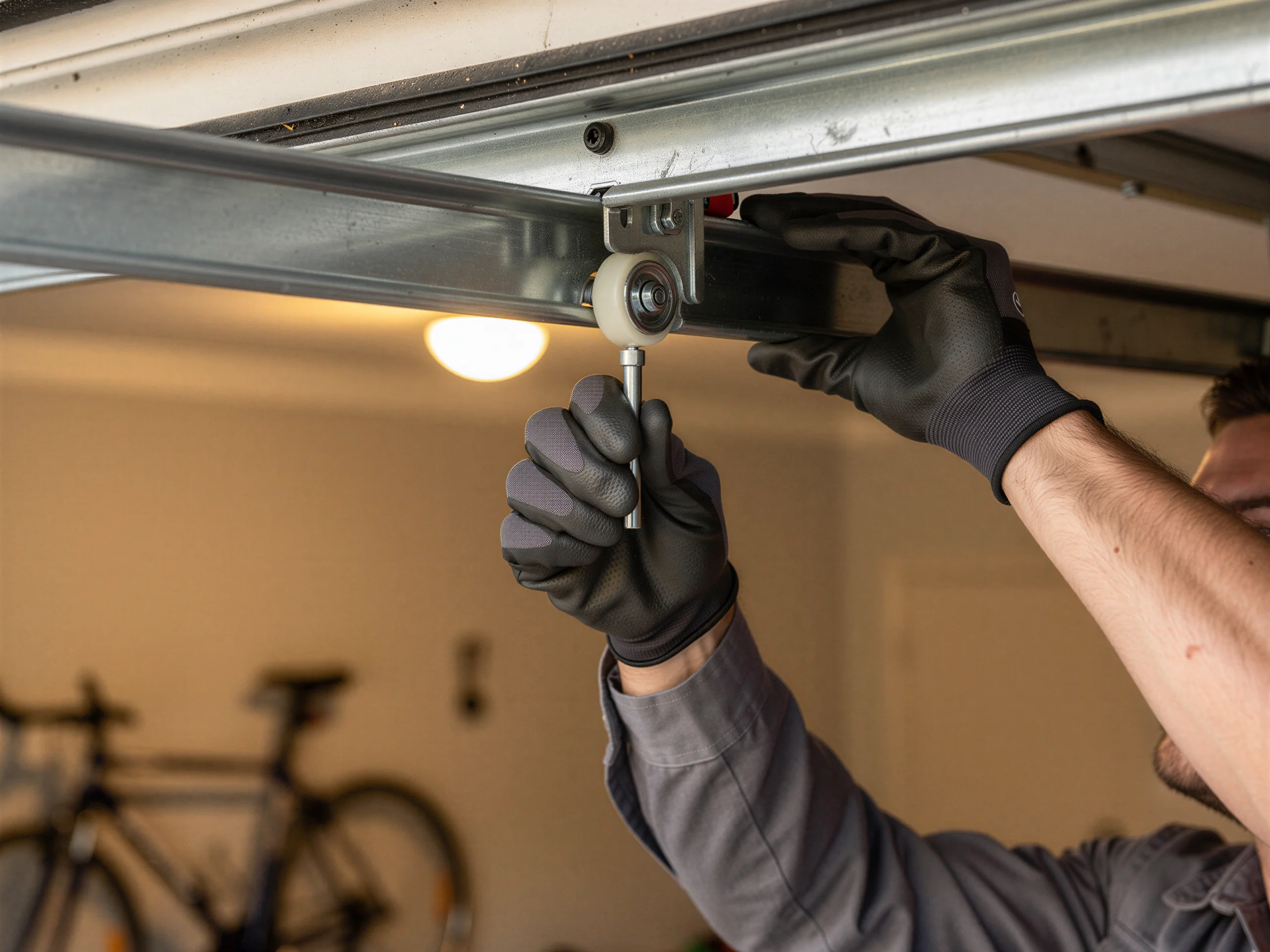
We travel the 5 miles from our shop in Ellicott City to get here, so the drive itself isn't the bottleneck. The bottleneck, when there is one, is sourcing a spring or drum that matches 1960s-era hardware rather than current stock sizing. We carry a range of common sizes on the truck, but a true original-spec match sometimes means a short wait, and we'd rather tell you that up front than promise same-visit parts we don't have.
Why It Happens Here
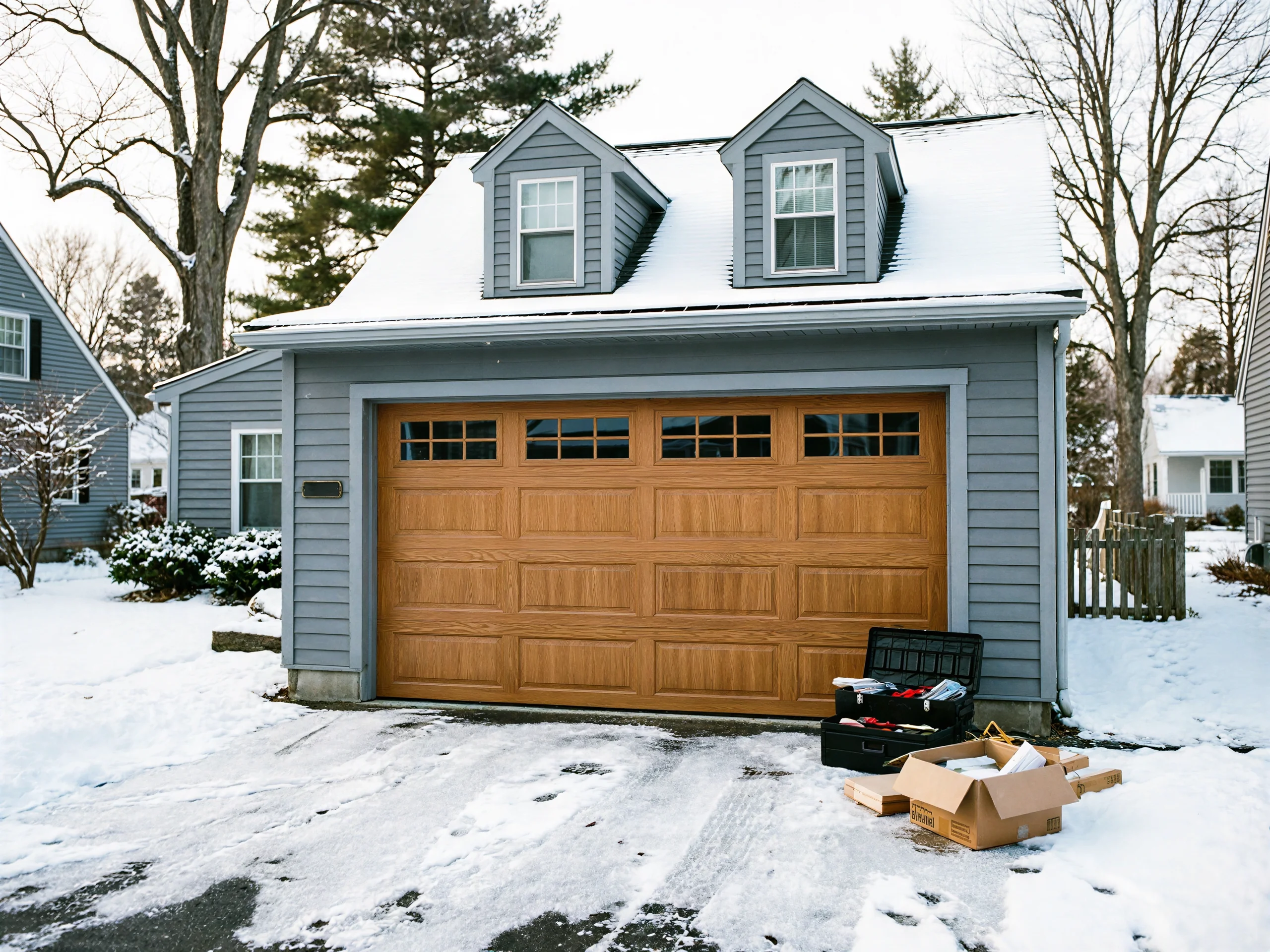
The whole service area sits in a cold-severe climate band, and that matters more for a door built around 1964 than for a newer one.
Torsion springs snap suddenly
Steel fatigues faster through repeated freeze-thaw cycling, and older torsion springs - wound to a lower cycle-life standard than what's sold today - show that fatigue as a sudden snap rather than a slow give.
Owner-occupied homes across region
Across the broader region we cover, 177,301 of the 510,015 households are owner-occupied houses, many sharing this same cold-weather spring wear pattern, but Catonsville's older median build year puts it further along that curve than most. A door that's sixty years old has simply logged more open-close cycles through more winters than a door from 1990 has, and the hardware shows it.
Booking a Visit
We cover Catonsville from our base in Ellicott City, five miles out, alongside the rest of our service area. When you call, the two things that help us most are the rough age of the house and whether the door is doing something specific - binding, reversing, refusing to open - versus just making noise.
If you're not sure which service fits what's going on, our Catonsville garage door service page covers the general scope of what we do here, and our Ellicott City page covers the home base and the rest of what we handle. We don't keep a branch or crew stationed in Catonsville itself; every visit here comes from the Ellicott City shop, which is part of why we ask for a little detail up front - it lets us bring the right spring size instead of guessing.
How It Shows Up
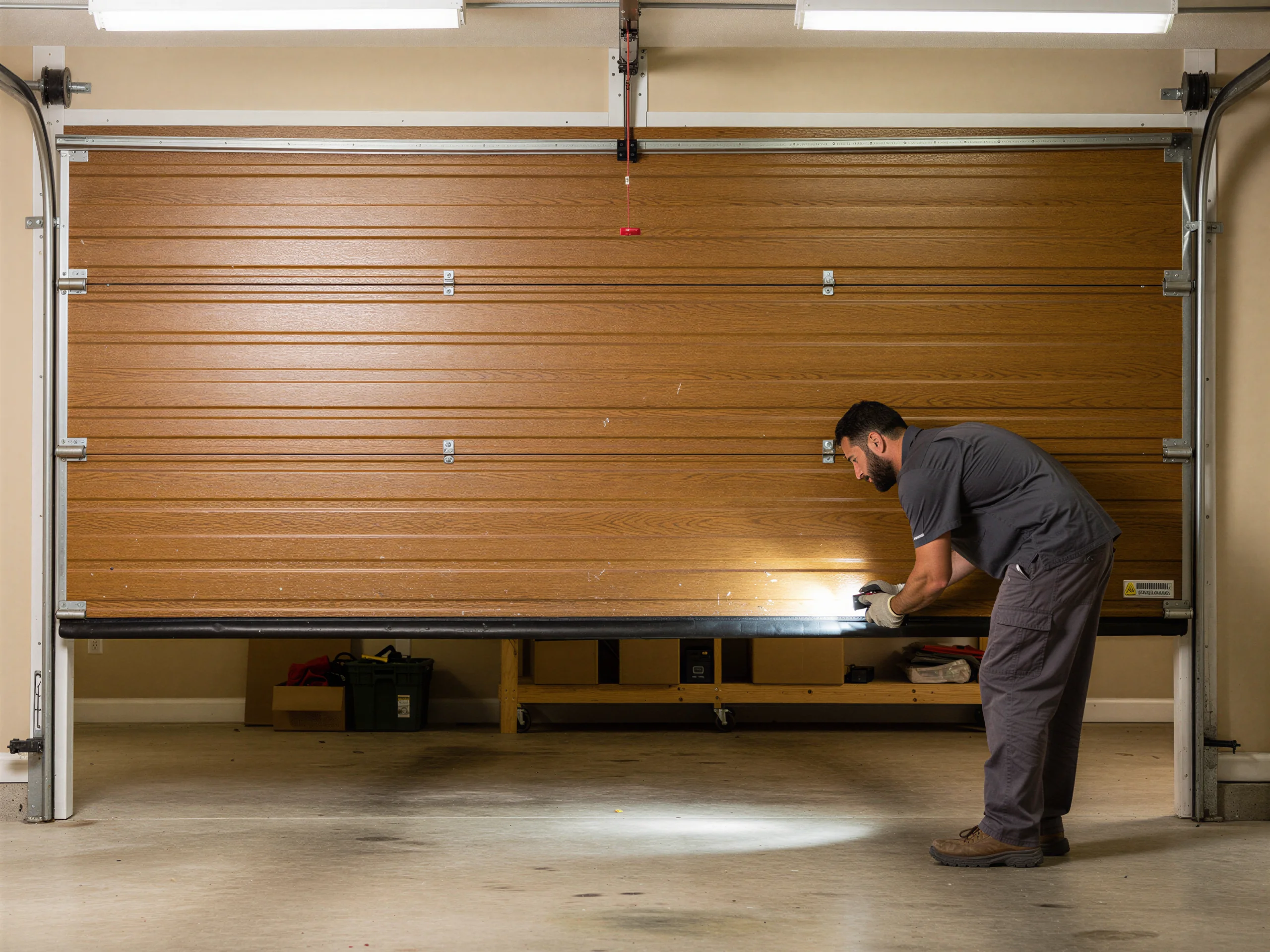
On a 1964-era door, the failure rarely announces itself cleanly. More often it's a door that's started closing crooked, one side dropping faster than the other because one spring is weaker than its twin - a classic sign on original torsion pairs that were never replaced as a matched set.
Opener reversing mid-travel
Sometimes it's an opener straining and reversing partway up, which on an older door usually means the spring has lost enough tension that the opener is doing work it was never built to do.
Twenty-degree start snaps
Cold mornings make it worse. A marginal spring that limps through a mild afternoon can snap outright on a 20-degree start, which is common given the cold-severe climate this whole area sits in.
Bang then no movement
If your door is making a loud bang and then won't move at all, that's almost always the spring, and on a house this age, it's almost always original.
Talk to a local pro
Garage door service in Ellicott City?
Same-day service with honest, upfront quotes.