Time on the Job
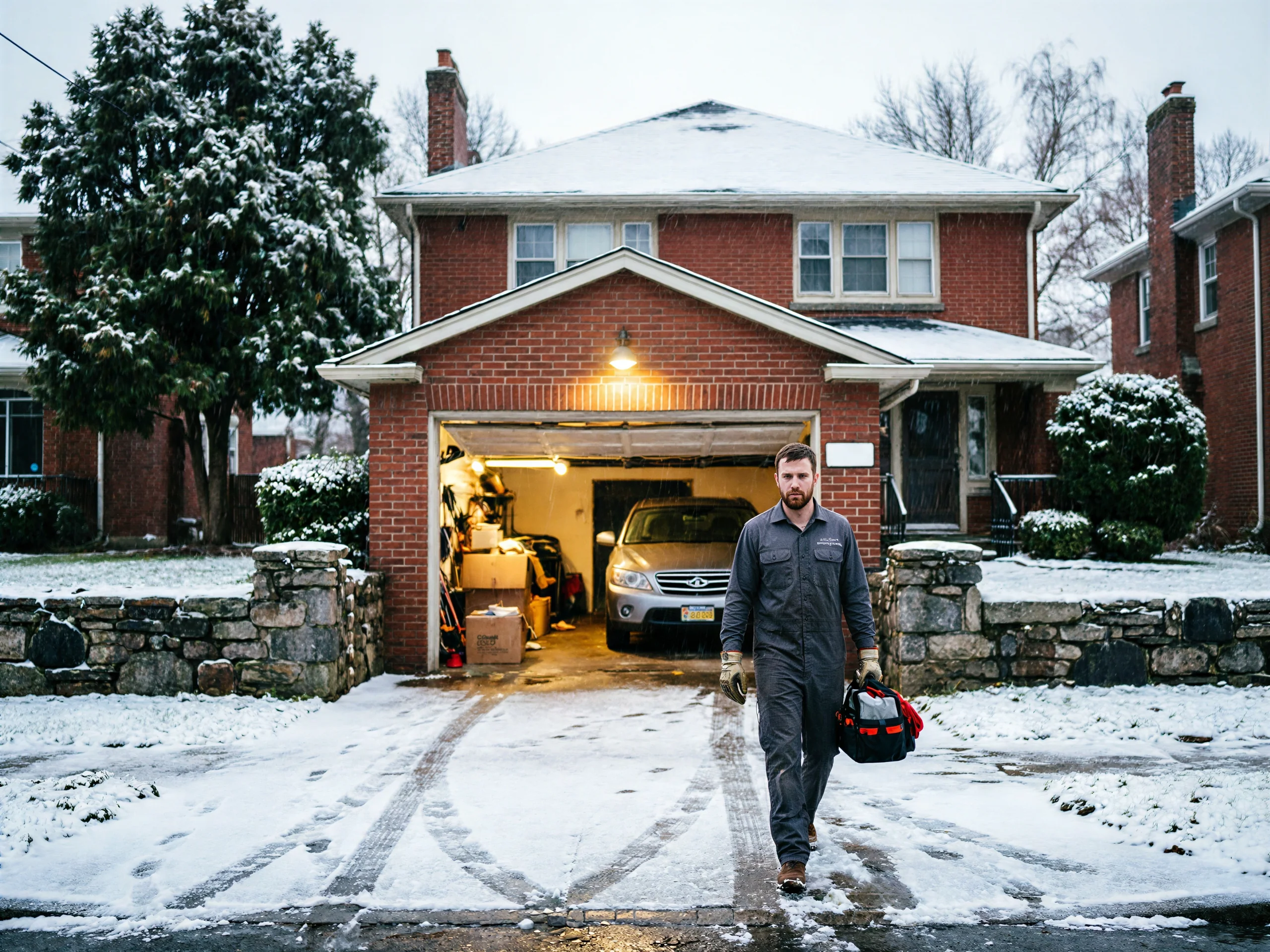
Arbutus sits about eight miles from our shop in Ellicott City, which usually means a tech loading the truck with panel stock before heading out rather than guessing on site.
Drive time up front
For a straightforward panel swap, that drive adds time to the front end of the visit, not the repair itself - once we're parked, swapping a damaged section takes about the same regardless of which side of the county we're on.
Batched nearby stops
What the distance does change is scheduling: we batch Arbutus calls where we can, so a panel job here often gets paired with another stop nearby rather than a one-off trip. If you're flexible on the day, that usually gets you on the schedule faster than insisting on a specific morning.
No depot markup
We don't keep a branch or a drop-off counter in Arbutus - every job rolls out of Ellicott City, so what you're paying for is the labor and the part, not a local depot markup.
Booking a Visit
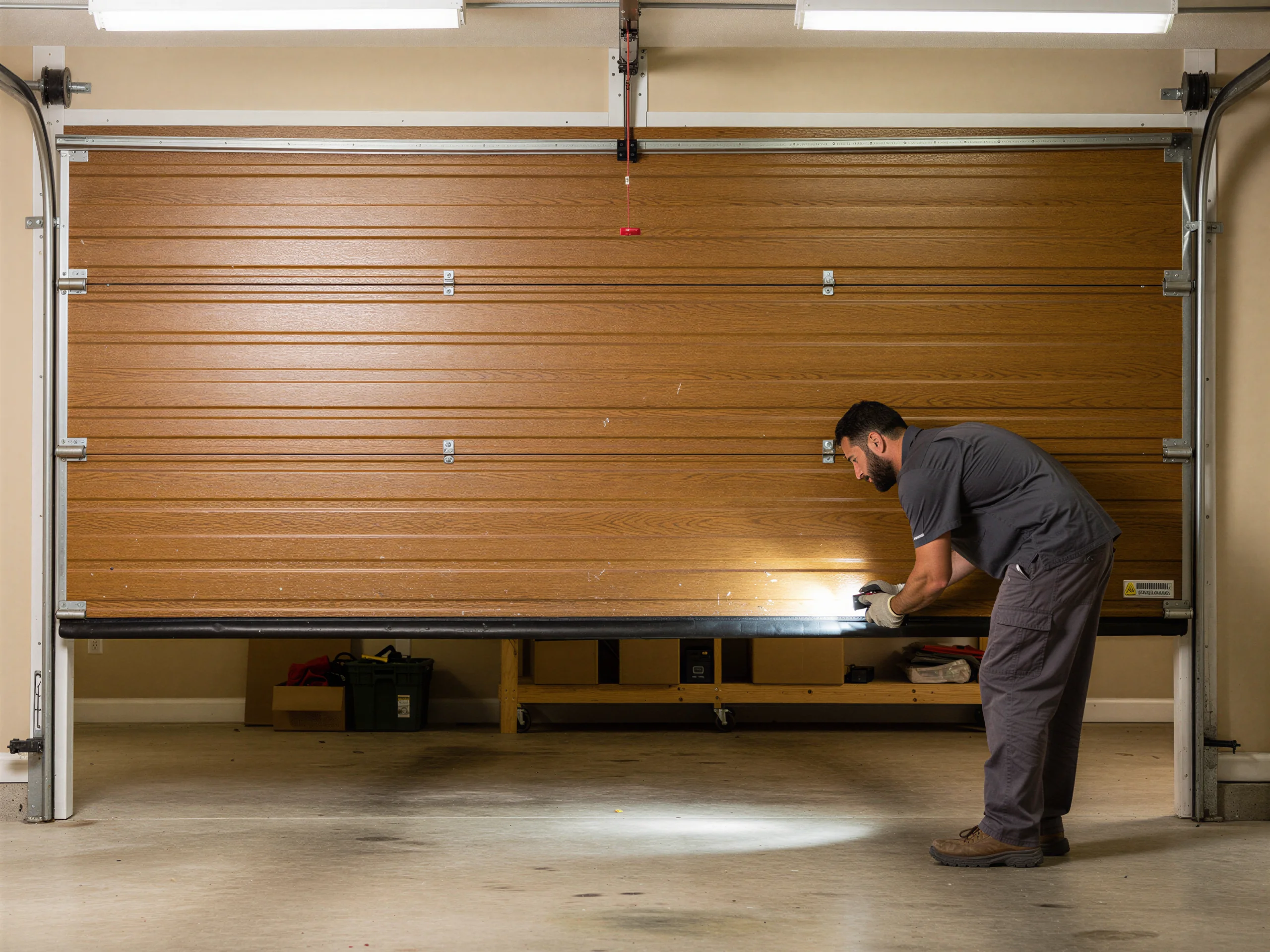
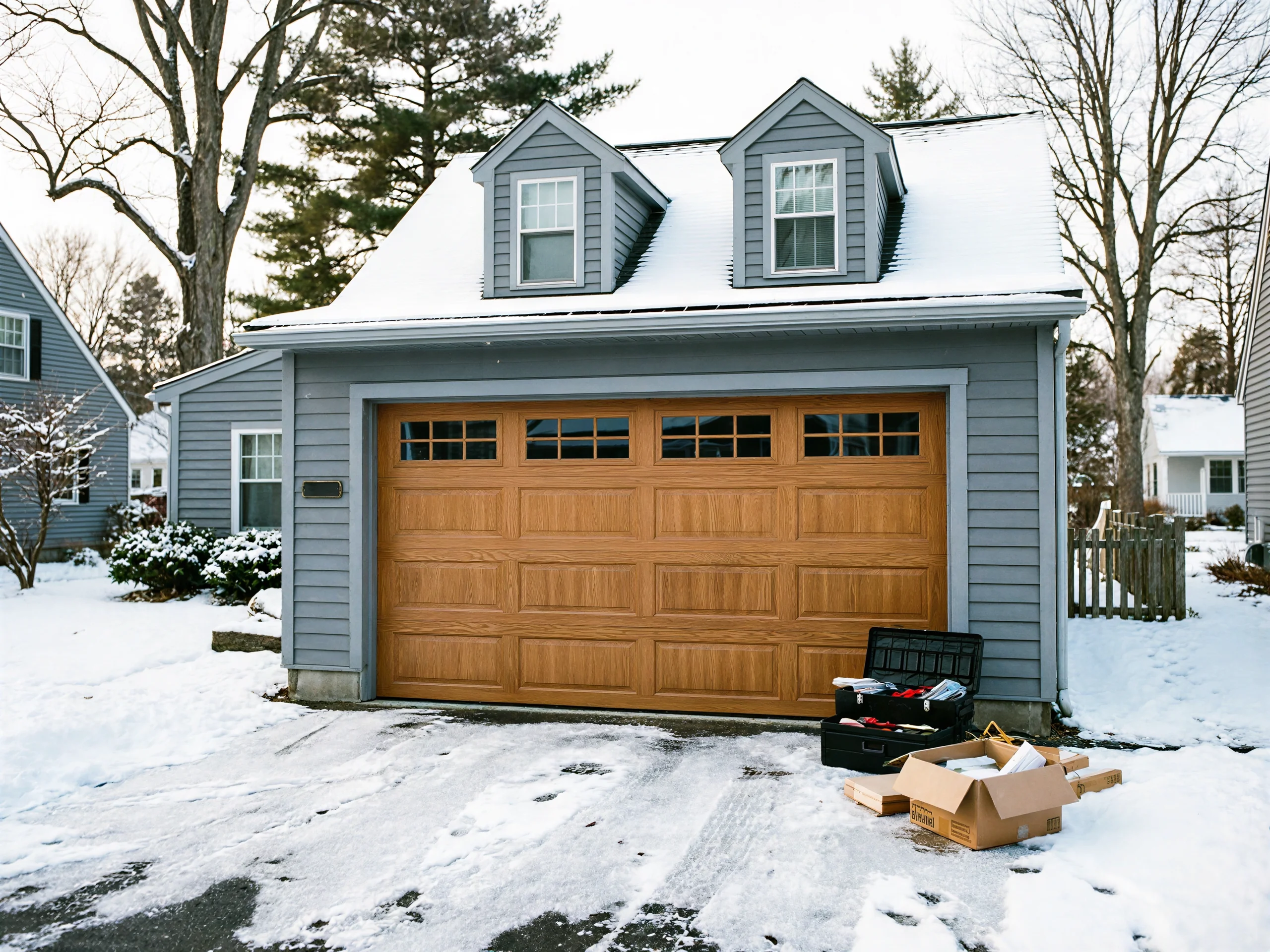
When you call about a panel, tell us the brand stamped on the door if you can find it, and roughly how old the house is - for most of Arbutus that's going to land near 1956, which already tells us a lot about what we're dealing with before the truck leaves. A photo of the damaged section helps more than a phone description; dents, rust-through, and a cracked fiberglass panel all get fixed differently. We'll also ask whether the door still opens and closes on the track, because a bent panel that's binding the rollers is a different kind of call than one that's just cosmetic. Nothing here is instant - we're not stationed in town, so there's no walk-in counter, but a clear description up front means the tech shows up with the right panel style instead of making a second trip.
How It Shows Up
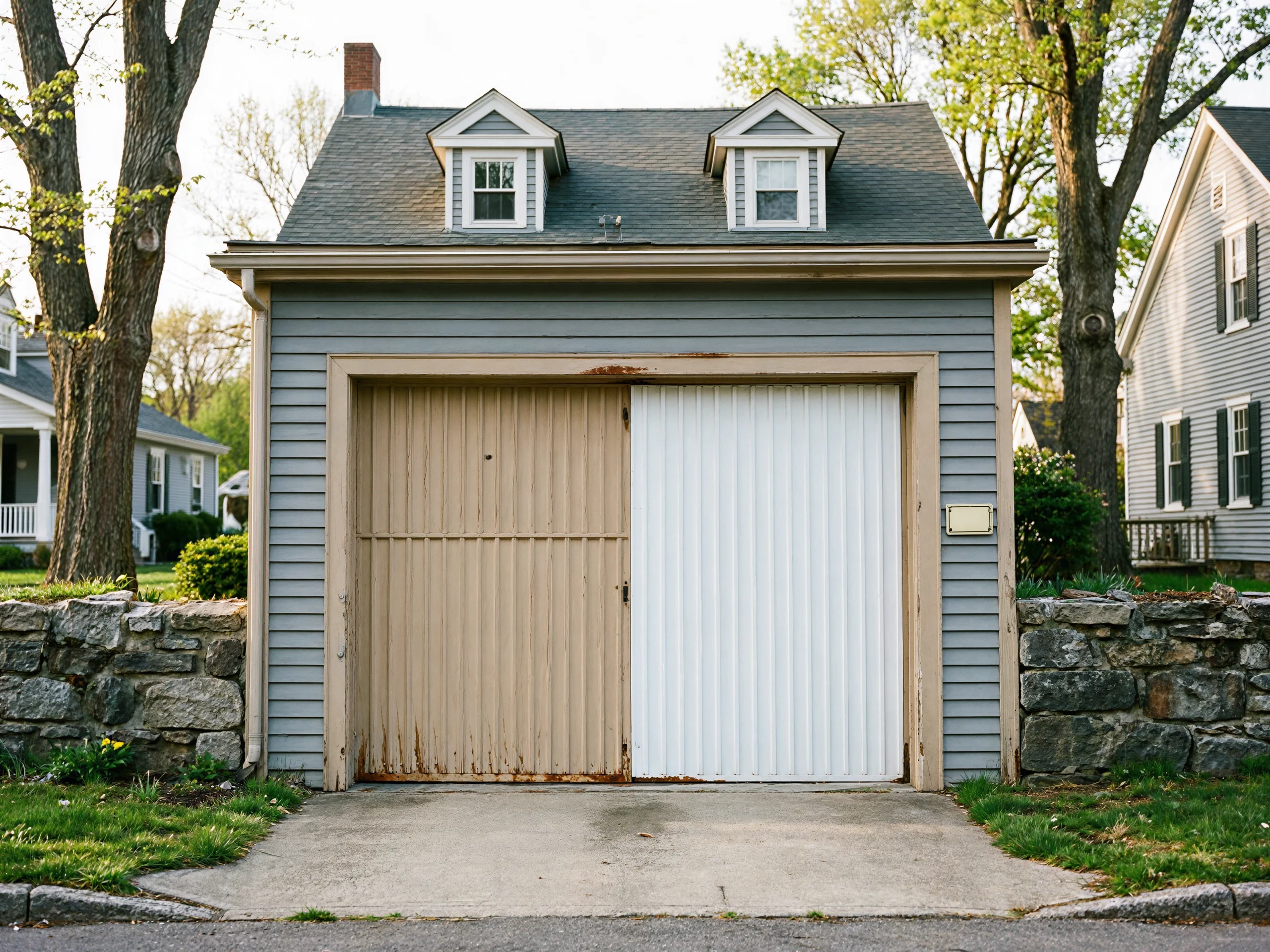
Houses in this part of the county tend to be older than what you'll find in the newer pockets of the service area, and a lot of Arbutus doors are still running original or early-replacement steel sections from a build era closer to 1956 than 1979.
Rust blistering on bottom panels
That means narrower panel widths and bolt patterns than what ships standard today, plus decades of Maryland winters working on uncoated or thinly galvanized steel. The usual damage pattern is rust blistering along the bottom two panels where snow melt and road salt sit against the door, sometimes paired with a dent from a car bumper or a dropped ladder higher up.
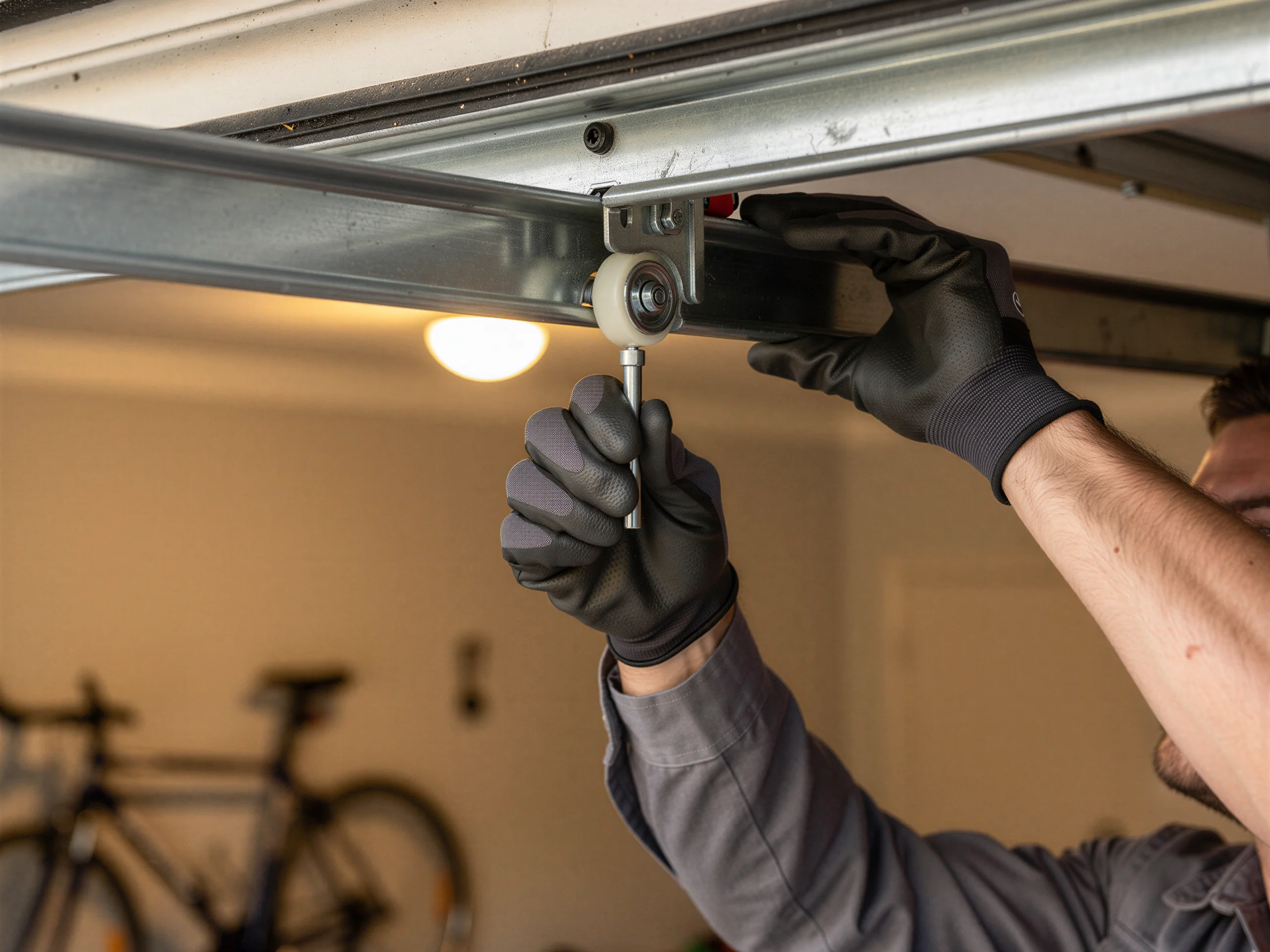
Companion hinge and roller wear
On a door this old, one bad panel is rarely the only tired part - hinges and rollers from the same install often show the same wear.
The Complications
The honest limitation: if your door is a 1956-era single-layer steel model, we may not be able to match the existing panel exactly. Manufacturers have changed panel heights and embossing patterns enough times since then that an exact factory match on a door this old usually isn't available, even special-order. In that case the choice is a close-enough panel that will show a seam in finish or texture, or replacing the full section run so the door looks uniform again. We'll tell you straight which option makes sense once we've seen the door - sometimes a visible seam on a side panel nobody looks at twice is the right call, and sometimes it isn't worth doing halfway.
Parts We Carry
We stock common steel panel sections and the short-span sizes that turn up on older doors like the ones common through this stretch of the county, since the 1956 median build year here means we see narrow-track panels more often than on newer stock elsewhere in the service area.
Standard sections fit most
For doors matching the 1960s and 70s construction found across most of the broader area, standard replacement sections usually drop in without much fuss.
Special-ordered finishes and embossing
What we don't carry on the truck is obsolete embossing or color-matched finishes for a 1956 original door - those get special-ordered, and the lead time runs longer than a same-week job. We'll tell you at the estimate stage if your panel falls into that category so you're not waiting on a surprise.
What the Repair Takes
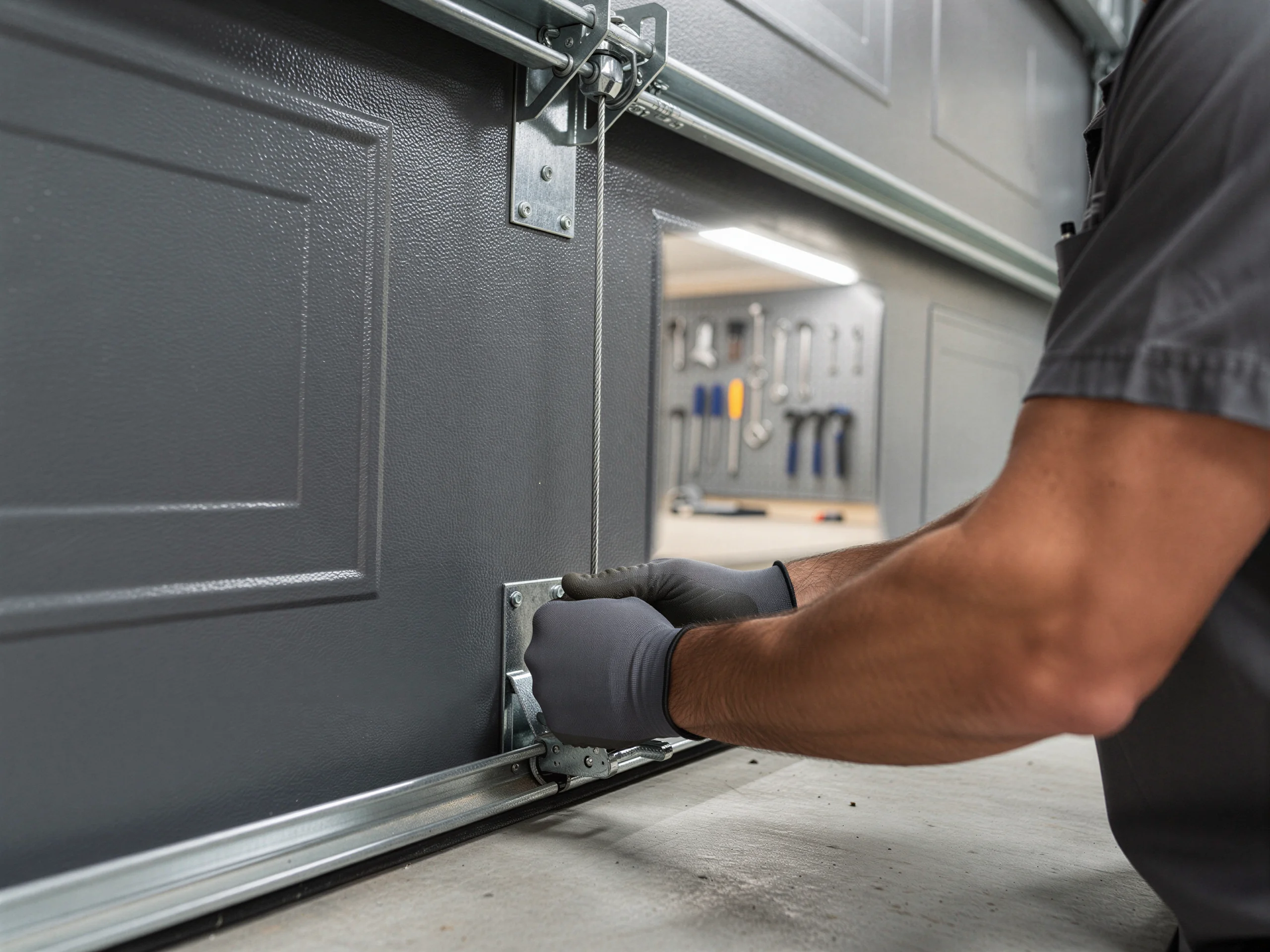
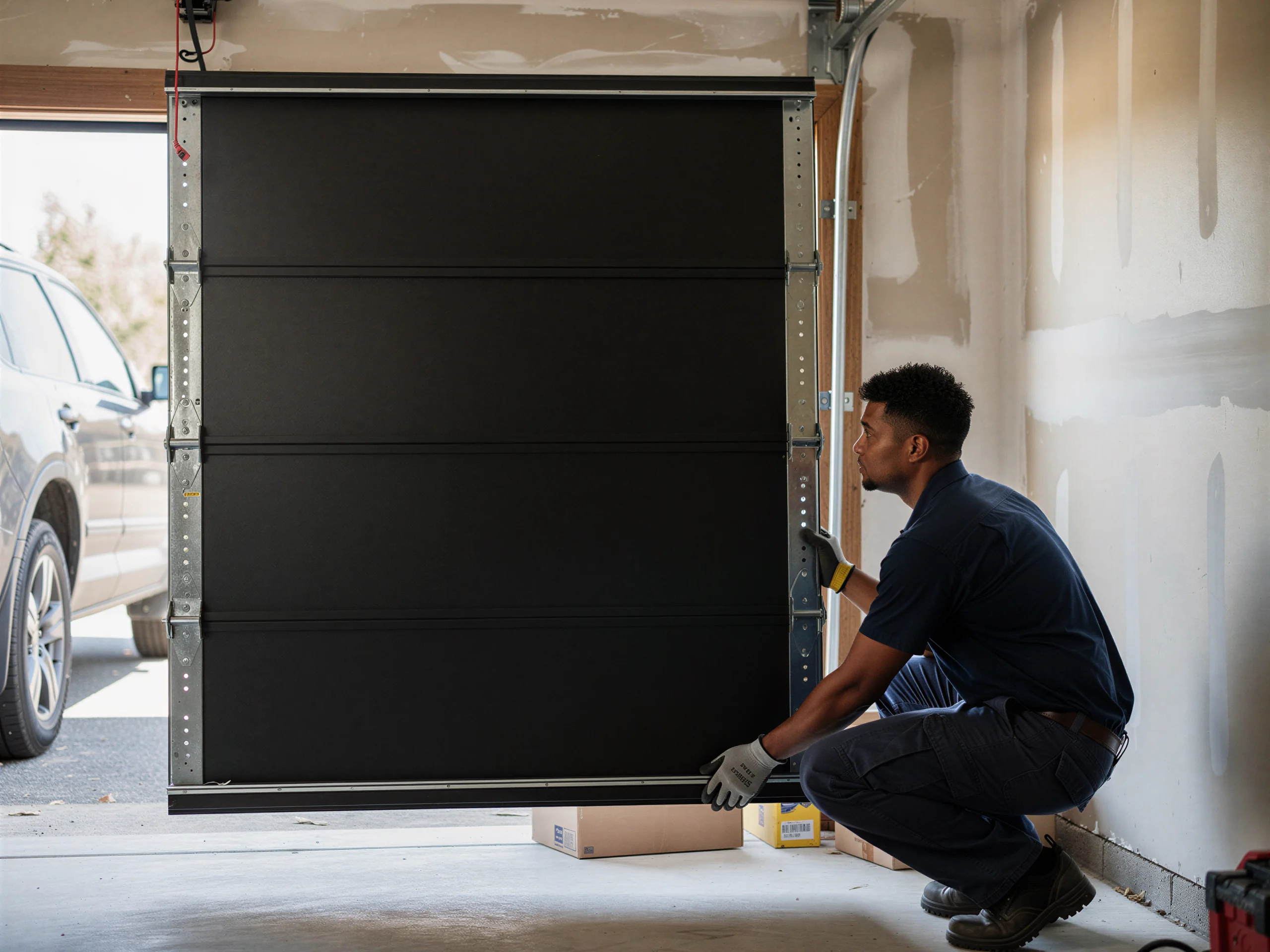
A single-panel swap on a standard double door is usually a half-day item once the tech is on site - remove the damaged section, fit the replacement, re-set the hinges and rollers, run the door through a full cycle to check the track alignment. If the house is at the older end of what we see here, closer to that 1956 build year, expect the tech to spend extra time checking hardware that's never been replaced, since a panel swap on a worn track can shake loose a problem that was already close to failing. Cold-weather steel gets brittle, so winter jobs sometimes turn up a hairline crack on a second panel that wasn't obvious in warmer months - worth mentioning now so it isn't a surprise later. Pricing depends on panel size, finish, and whether hardware needs attention alongside the panel itself.
Talk to a local pro
Garage door service in Ellicott City?
Same-day service with honest, upfront quotes.